

10 Best 2026 Digital Nomad Visas for Tax-Free Remote Work
Navigating global tax residency requires verifying specific visa categories against current bilateral tax treaties. The following list details ten visa options for 2026 that may offer tax exemptions for remote income, subject to individual circumstances. Consult a qualified tax professional to confirm eligibility before making relocation decisions.
1. Portugal D7 and D8 Hybrid Visa
Portugal offers a strategic path for remote workers through its D7 passive income visa and the newer D8 digital nomad visa. The D7 suits those with pensions or rental income, while the D8 targets active remote employees. Both can lead to permanent residency, but tax implications vary by residency status and double taxation treaties. Always consult a tax professional to determine whether the non-habitual resident regime or standard taxation rules apply to your situation.
2. Spain Digital Nomad Visa Launch
Spain’s Ley de Emprendedores allows remote workers to reside for up to five years with significant tax advantages under the Beckham Law. This flat tax rate applies to Spanish-sourced income, potentially lowering your burden compared to standard progressive rates. Requirements include proof of remote work for foreign clients or companies and sufficient financial means. Verify current immigration portal updates and seek expert advice on long-term tax compliance.

3. Croatia EU Coastline and Access
Croatia’s temporary residence permit for digital nomads provides access to the EU Schengen area without the full commitment of permanent residency. Applicants must prove remote employment and a stable monthly income threshold. The visa is issued for up to one year, renewable. This option is ideal for those testing European waters before deeper commitment. Check the Ministry of Interior website for the latest income requirements and document checklists.
4. Estonia Digital First Nation Program
Estonia’s e-Residency combined with a residence permit creates a unique digital-first lifestyle. While e-Residency itself is not a visa, it facilitates business setup. For residency, the Digital Nomad Visa allows stays up to one year. Estonia’s transparent digital infrastructure and low corruption make it a practical base. Ensure your remote work contract aligns with local labor laws and confirm tax residency status with a specialist.
https://www.thedigitalnomad.asia/wp-content/uploads/2020/10/digital-nomad-visa.jpg
5. Greece 7% Tax Rate Option
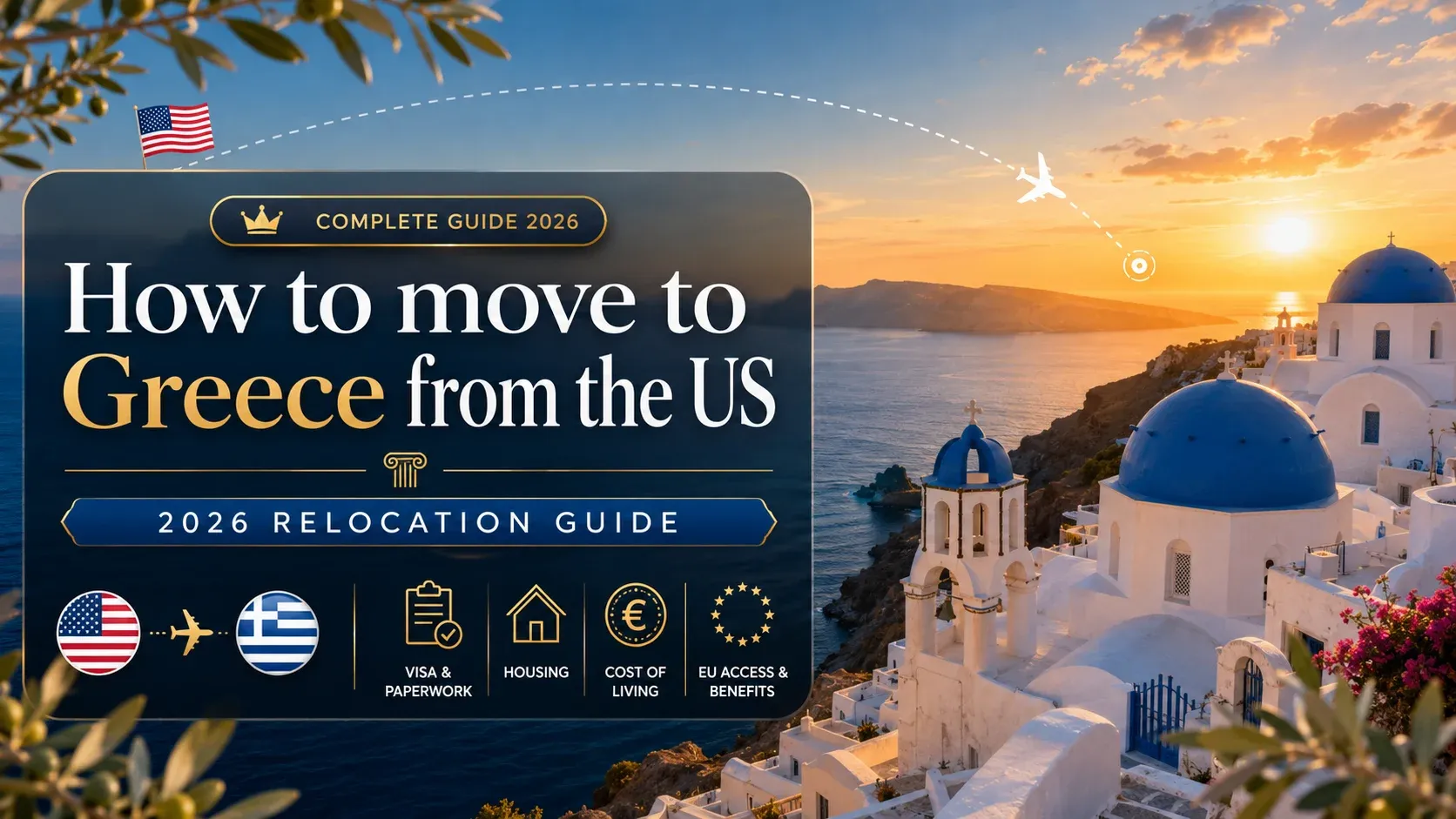
Greece offers a 7% flat tax rate for new tax residents for five years, including digital nomads who meet specific income and residency criteria. This program, often called the Golden Visa or new resident scheme, requires a minimum annual income and physical presence in Greece. It provides a cost-effective entry into the EU for remote workers. Review the latest Hellenic Ministry of Finance guidelines and consult a tax advisor for eligibility.

6. Thailand Long-Term Re-Entry Privileges
Thailand’s Long-Term Resident (LTR) visa targets affluent remote workers with a 10-year stay, offering significant tax exemptions on foreign-sourced income repatriated after five years. This pathway simplifies border crossings with a re-entry permit, ensuring your digital nomad lifestyle remains uninterrupted by immigration bureaucracy while you enjoy the country’s world-class infrastructure.

7. Cape Verde Atlantic Island Escape
Cape Verde offers a unique digital nomad visa for its 10 islands, providing a relaxed Atlantic atmosphere with low costs of living. Applicants must prove a monthly income of roughly $1,480, granting legal residency without the pressure of high European taxes. This archipelago is ideal for those seeking isolation and natural beauty while maintaining their remote career.

8. Costa Rica Pura Vida Pathway
Costa Rica’s digital nomad visa allows stays up to one year, renewable, for those earning at least $3,000 monthly. While not strictly tax-free, the country does not tax foreign-sourced income, making it a fiscally friendly destination. The "Pura Vida" lifestyle combines lush nature with a stable political environment, perfect for balancing work with outdoor adventures.

9. Dubai Zero Income Tax Hub
Dubai’s new remote work visa allows you to live in the UAE for one year without paying personal income tax. You must demonstrate a monthly income of $5,000 or a bank balance of $50,000. This program is designed for high-earning professionals who want a tax-efficient base in a global business hub with world-class amenities and safety.

10. Malaysia Second Home Visa Tier
Malaysia’s Second Home (MM2H) program offers long-term residency for those with substantial financial assets, providing access to affordable healthcare and education. While tax implications vary, Malaysia does not tax foreign-sourced income remitted to the country. This tiered approach suits families and retirees looking for a stable, multicultural environment with a lower cost of living than Western nations.

How to pick a 2026 digital nomad visa
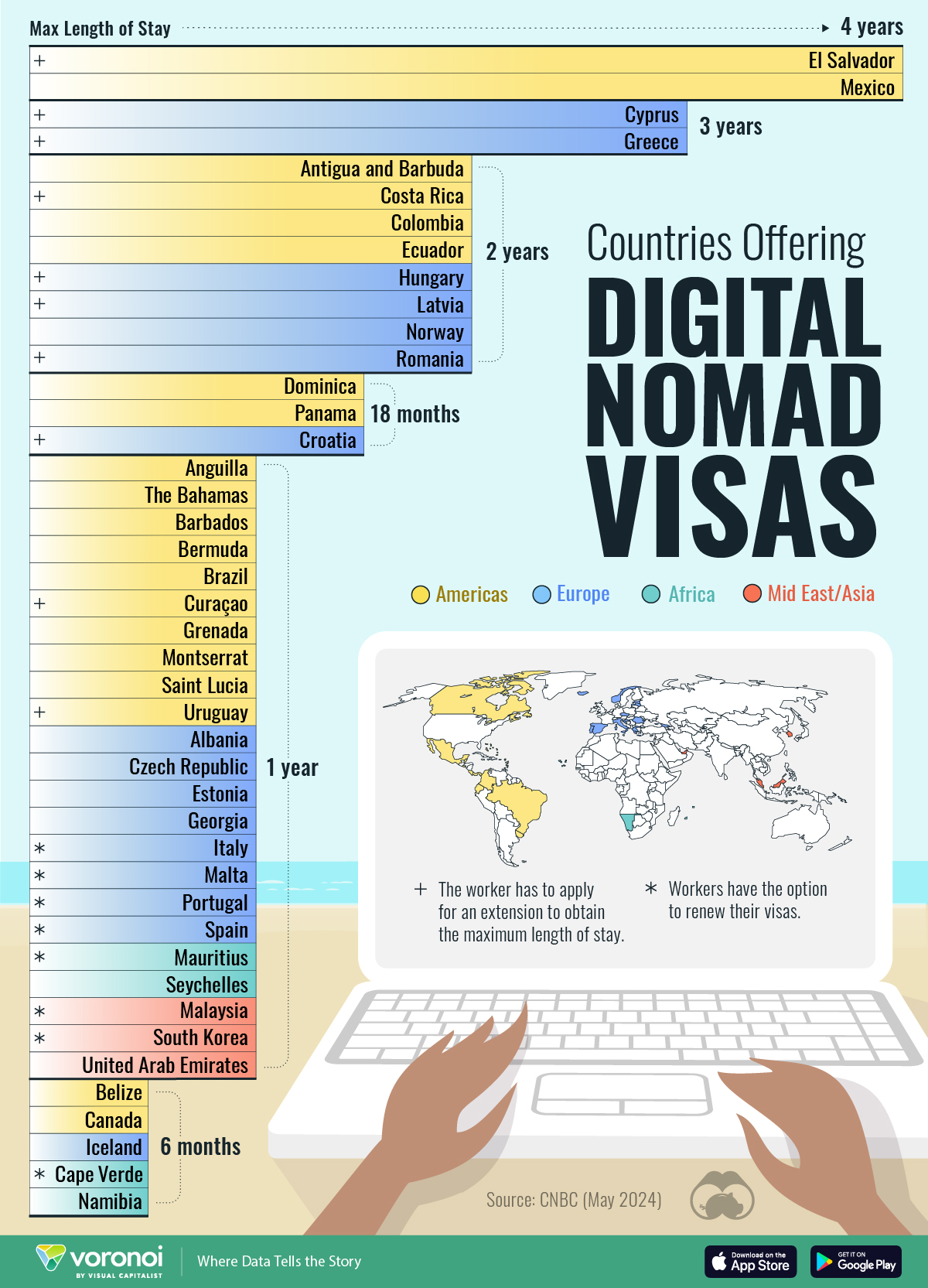
Choosing a destination requires looking past the marketing brochures. With over 40 countries offering remote work visas in 2026, the market is crowded, but the legal and financial realities differ significantly between them [src-serp-2]. The ten countries selected here were not chosen for their beaches, but for their ability to support long-term remote work without creating tax liabilities.
The primary filter for this list is tax efficiency. We prioritize countries with territorial tax systems where foreign-sourced income remains untaxed, or those offering specific exemptions for remote workers. This is distinct from general tourist entry; these visas provide the legal framework to reside and work legally for months or years.
Internet reliability and legal clarity form the second pillar. A visa is only useful if your work does not stop when the Wi-Fi drops. We evaluated infrastructure stability and the clarity of local laws regarding digital work. This combination ensures that your stay is not just legal, but practically sustainable for a professional workflow.
Compare visa costs and requirements
Choosing the right destination often comes down to three hard numbers: how much you earn, how long you can stay, and whether the taxman gets a cut. The table below breaks down the core metrics for ten popular digital nomad hubs. Income requirements typically start around $850 to $2,500 per month, while visa durations range from six months to three years.
| Country | Min. Monthly Income | Visa Duration | Tax Status |
|---|---|---|---|
| Estonia | ~$3,500 | 1 year | Non-resident possible |
| Croatia | ~$2,200 | 1 year | Exempt for first year |
| Spain | ~$2,600 | 1–3 years | Non-lucrative option |
| Portugal | ~$3,040 | 1 year | NHR program ending |
| Greece | ~$7,000 | 2 years | 50% tax break |
| Dubai | ~$5,000 | 1 year | 0% income tax |
| Costa Rica | ~$3,000 | 1 year | Territorial tax |
| Mexico | ~$3,000 | 4 years | Varies by residency |
| Malaysia | ~$2,400 | 1 year | Territorial tax |
| Barbados | ~$50,000/yr | 1 year | 0% foreign income tax |
Disclaimer: Tax laws change frequently. Always consult a qualified tax professional before making decisions based on these summaries.
Essential gear for remote work abroad
A digital nomad visa grants legal residency, but it does not provide internet. Your ability to work from a co-working space in Lisbon or a beachside cafe in Bali depends entirely on your equipment. The right gear prevents dropped video calls and ensures you can meet the income and productivity expectations of immigration officials.
Start with a lightweight laptop that balances processing power with battery life. You will also need a portable travel router to bypass restrictive hotel Wi-Fi and universal adapters that fit the varied outlets across different countries. These tools form the foundation of your mobile office.
The following products represent reliable choices for remote workers. We have selected items based on durability and performance in low-infrastructure environments.


As an Amazon Associate, we may earn from qualifying purchases.
Investing in quality hardware reduces downtime and stress. When your connection is stable, you can focus on meeting the requirements of your visa and enjoying your new location. Always verify that your equipment meets the power standards of your destination country before departure.
Checklist for applying to a nomad visa
Applying for a digital nomad visa requires precise documentation and timing. Most countries require proof of stable remote income, typically starting around $850 monthly, along with a clean criminal record. Because requirements vary significantly by jurisdiction, you must verify the specific rules for your target country before starting.
Collect your passport, proof of remote employment or freelance contracts, and recent bank statements showing sufficient funds. You will also need a police clearance certificate from your home country. Many countries require these documents to be apostilled or notarized.
Submit documents in the official language of the host country. Use certified translators and ensure all notarizations are current. Some countries require apostilles under the Hague Convention, which can take several weeks to process.
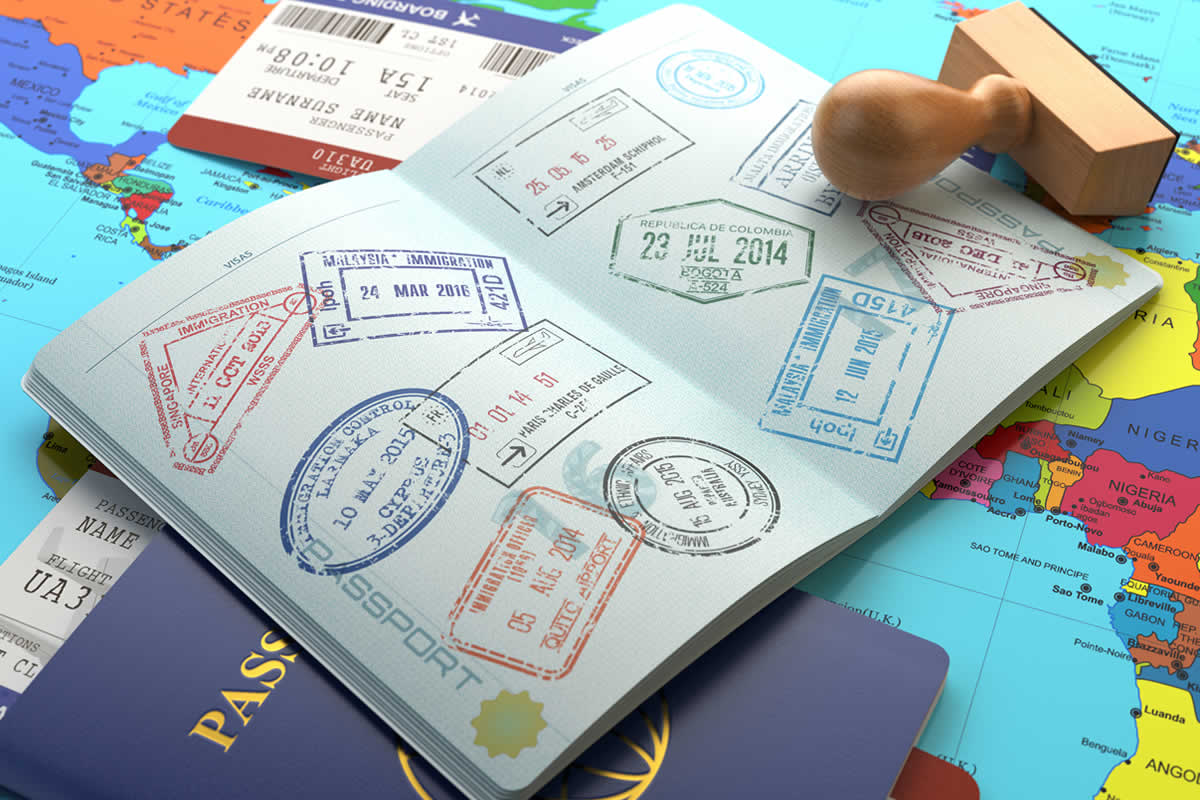
Fill out the government’s official visa portal. Upload high-resolution scans of all documents. Double-check that income thresholds are met and that your health insurance covers the entire duration of your stay.
Schedule a biometrics or interview appointment if required. Some countries allow fully remote applications, while others require an in-person visit. Book early, as slots fill quickly during peak travel seasons.


As an Amazon Associate, we may earn from qualifying purchases.
Note that tax implications vary widely. While some visas offer tax exemptions, others do not. Always consult a tax professional to understand your obligations before relocating.
No comments yet. Be the first to share your thoughts!