

Stablecoin Travel Booking with Onchain Insurance: USDT Payments for Flights and Hotels in Emerging Markets

In the bustling travel markets of Southeast Asia and Latin America, where traditional banking lags and currency volatility bites, stablecoins like USDT are rewriting the rules of booking flights and hotels. As of February 9,2026, USDT trades steadily at $1.00, its peg unshaken amid global economic shifts. Trip. com’s recent rollout of USDT payments for prepaid bookings marks a pivotal moment, especially for emerging markets where users report discounts up to 18% on flights and 2.35% on hotels compared to fiat options. This isn’t just convenience; it’s a financial edge for digital nomads and unbanked explorers navigating Vietnam’s vibrant streets or Brazil’s coastal gems.

Trip. com’s USDT Payments Deliver Real Savings and Speed in Emerging Markets
Trip. com, the global face of Ctrip, activated stablecoin payments in late 2025, supporting USDT and USDC across multiple blockchains. Tests in Vietnam revealed transactions settling in under 10 minutes, with hotel bookings requiring only a name and email-no lengthy KYC hurdles. This privacy-first approach resonates in regions wary of data overreach, while bypassing forex fees that often inflate costs by 5-10%.
The savings stem from stablecoin rails evading traditional remittance corridors plagued by high intermediary cuts. In practical terms, a $500 flight might drop to $410 with USDT, a boon for budget-conscious travelers in high-inflation spots like Argentina or Indonesia. Platforms like StableTravelBook. com amplify this by integrating similar USDT flows with onchain insurance, ensuring seamless stablecoin travel booking worldwide.
Accessibility shines brightest for the unbanked: over 1.4 billion adults globally lack bank accounts, per World Bank data, yet many hold crypto wallets. USDT bridges this gap, turning mobile crypto into instant hotel confirmations without credit checks.
USDT’s Stability Powers Frictionless Crypto Payments in Emerging Markets
Why USDT over volatile coins like BTC? Its $1.00 peg, backed by reserves and audited transparency, eliminates exchange risk mid-booking. In emerging markets, where local currencies swing wildly-USD/ARS hit 1,000: 1 in 2024-USDT offers predictable pricing. Low gas fees on networks like Tron or Polygon make it ideal for USDT flights hotels bookings, often under $0.01 per transfer.
Tether (USDT) Price Prediction 2027-2032
Maintaining $1.00 peg with low volatility scenarios amid travel adoption and on-chain insurance growth
| Year | Minimum Price | Average Price | Maximum Price |
|---|---|---|---|
| 2027 | $0.995 | $1.000 | $1.005 |
| 2028 | $0.997 | $1.000 | $1.003 |
| 2029 | $0.998 | $1.000 | $1.002 |
| 2030 | $0.999 | $1.000 | $1.001 |
| 2031 | $0.999 | $1.000 | $1.001 |
| 2032 | $0.999 | $1.000 | $1.001 |
Price Prediction Summary
USDT is projected to steadfastly hold its $1.00 peg through 2032, with volatility tightening over time due to surging real-world utility in travel payments (e.g., Trip.com integrations offering 18% flight savings) and on-chain insurance. Min prices capture bearish depeg risks from market cycles or regulation; max reflect demand premiums. Overall outlook: ultra-stable with ±0.5% max deviation narrowing to ±0.1%.
Key Factors Affecting Tether Price
- Rapid adoption in travel bookings via Trip.com for USDT payments on flights/hotels, especially in emerging markets like Vietnam with proven savings and fast settlements
- On-chain insurance advancements (e.g., Avata/Sleap.io CFAR, Insurance Protocol on Celo) boosting trust and utility
- Regulatory clarity for USD stablecoins reducing depeg risks amid global expansion
- Dominant liquidity and market share vs. competitors like USDC
- Crypto market maturity and infrastructure improvements minimizing volatility
- Emerging market accessibility for unbanked users enhancing transaction volumes and peg stability
Disclaimer: Cryptocurrency price predictions are speculative and based on current market analysis.
Actual prices may vary significantly due to market volatility, regulatory changes, and other factors.
Always do your own research before making investment decisions.
Cross-border efficiency is key: a traveler in Manila funding a Bali hotel avoids SWIFT delays and 3-7% fees. Trip. com’s multi-chain support adds flexibility, letting users swap networks for optimal costs. At StableTravelBook. com, we prioritize this for crypto-savvy users, blending USDT payments with smart contract insurance to fortify every itinerary.
Privacy layers further: pseudonymous transactions shield against surveillance, vital in politically volatile areas. Yet, compliance looms; regulators eye stablecoin inflows, urging platforms to balance innovation with KYC lite models.
Onchain Trip Insurance Emerges as Essential Shield for Blockchain Travelers
Beyond payments, onchain insurance tackles trip disruptions with immutable smart contracts. Avata and Sleap. io’s 2024 CFAR policy for NFT holders delivers instant payouts via blockchain, no adjuster delays. Imagine a monsoon-canceled flight in Manila: oracles verify weather data, funds release automatically.


The Insurance Protocol on Celo takes it further, using Chainlink for real-time flight data. A 2-hour delay triggers payout without paperwork, contrasting legacy insurers’ 30-day claims. For onchain trip insurance, this means 99% uptime protection at fractions of traditional premiums- often 1-2% of trip cost.
In LatAm, where blockchain travel insurance LatAm adoption surges amid economic unrest, these protocols cut fraud via transparent ledgers. StableTravelBook. com leads by embedding such coverage, pairing USDT bookings with parametric policies for holistic security.
Emerging markets stand to gain disproportionately from this fusion. In regions like Southeast Asia and Latin America, where flight disruptions from typhoons or strikes are routine, parametric onchain policies payout based on verifiable data feeds, slashing disputes. Traditional insurers often deny claims citing fine print; blockchain’s transparency enforces fairness, with smart contracts executing in seconds.
Seamless Integration of USDT Payments and Onchain Insurance
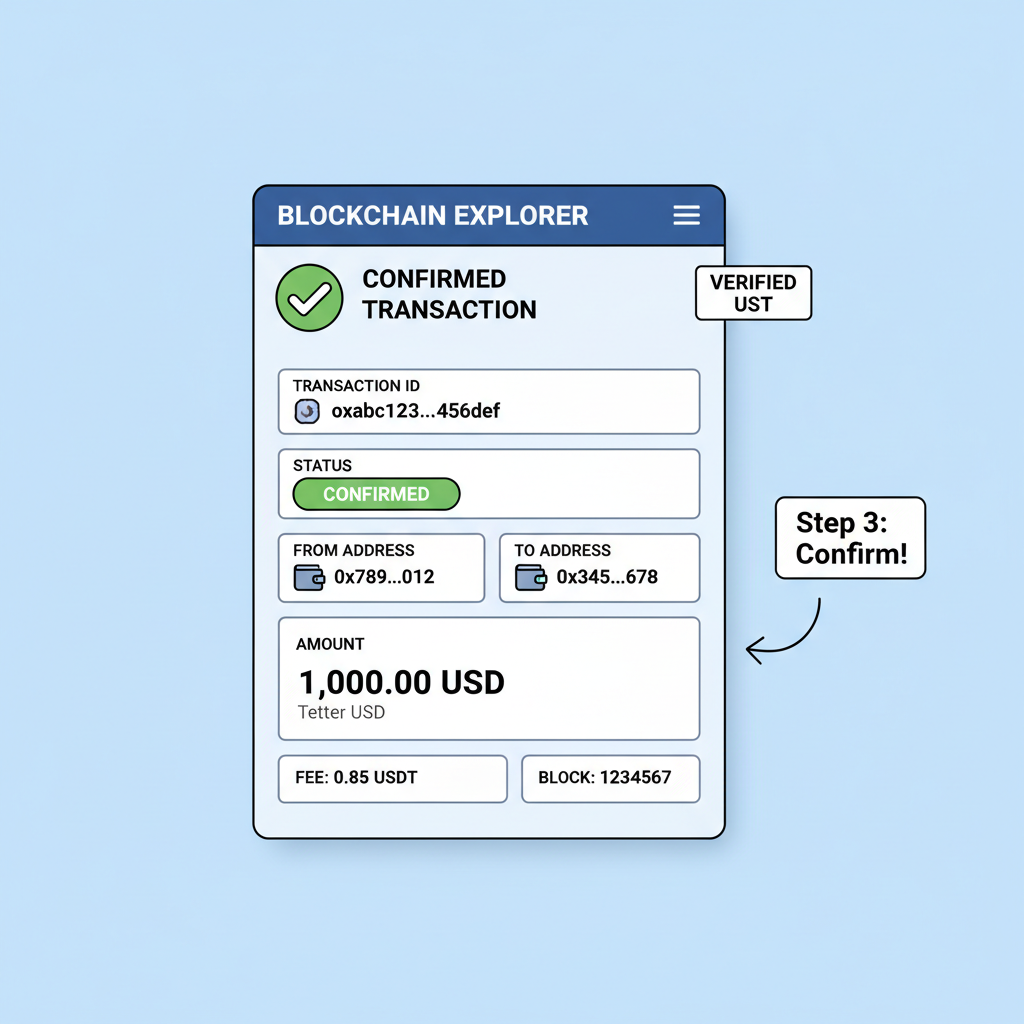
Platforms are now bundling these features for end-to-end protection. StableTravelBook. com exemplifies this by allowing users to pay with USDT at its $1.00 value for flights and hotels, then opt into onchain insurance at checkout. This one-click process covers cancellations, delays, and medical emergencies via audited protocols, all verifiable on explorers like Etherscan. The result? Travelers in volatile economies like Nigeria or Colombia secure trips without premium hikes from legacy gatekeepers.
Cost analysis reveals the edge: a $1,000 trip insured traditionally might cost $80-120 in premiums with weeks-long claims. Onchain alternatives average $10-20, with sub-minute settlements. For crypto payments emerging markets, this democratizes premium travel, previously gated by forex losses or credit barriers.
Yet challenges persist. Network congestion can spike fees during peaks, though layer-2 solutions like Base or Optimism mitigate this. Regulatory scrutiny in the EU and US demands platforms like ours implement wallet screening without eroding privacy. Still, adoption accelerates; Trip. com’s pilot hints at mainstream tipping point.
Master USDT Travel Bookings: Flights, Hotels & Onchain Insurance Guide




Why Emerging Markets Lead Stablecoin Travel Adoption
High remittance flows and crypto familiarity propel LatAm and SEA ahead. Argentina’s 200% and inflation in recent years drove USDT as a daily hedge; now it funds Machu Picchu escapes. Vietnam’s test savings underscore how stablecoins undercut local payment markups. Data from Chainalysis shows emerging markets account for 70% of global stablecoin volume, fueling USDT flights hotels demand.
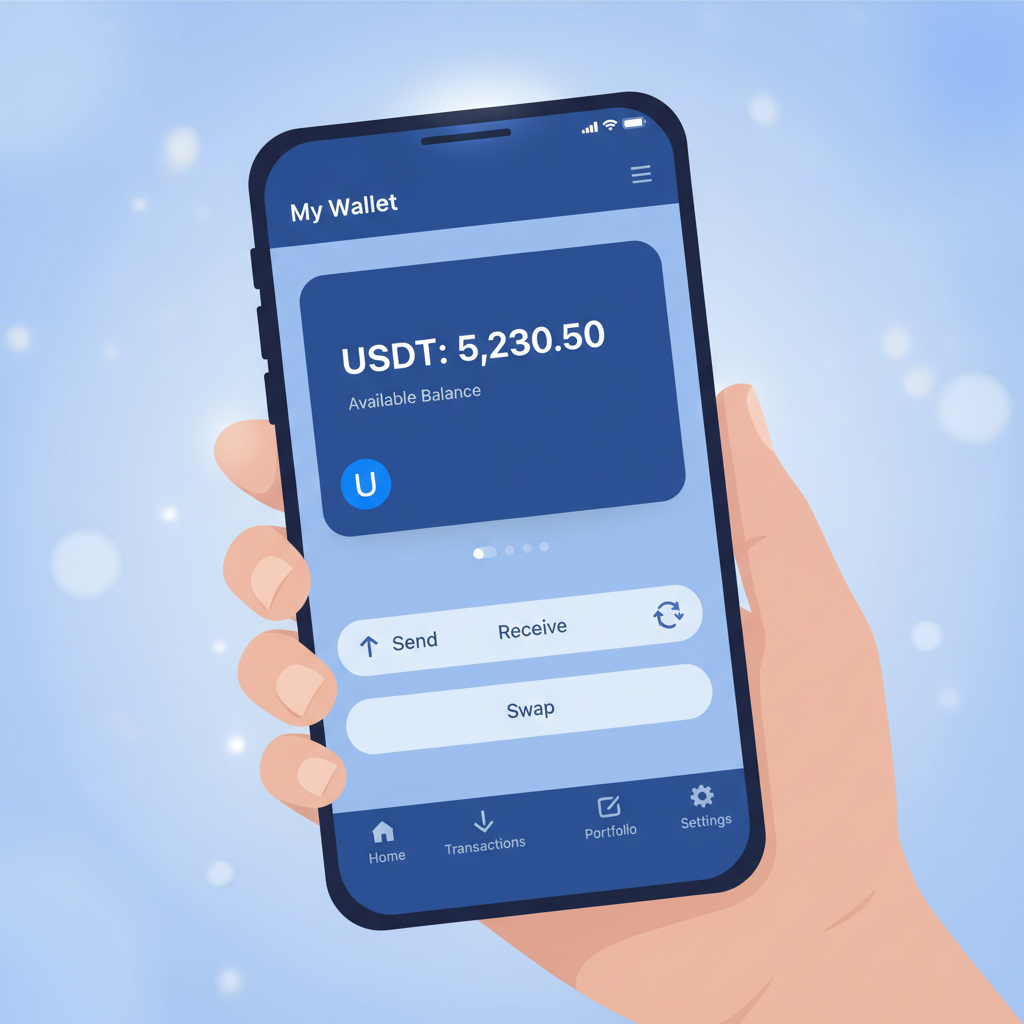
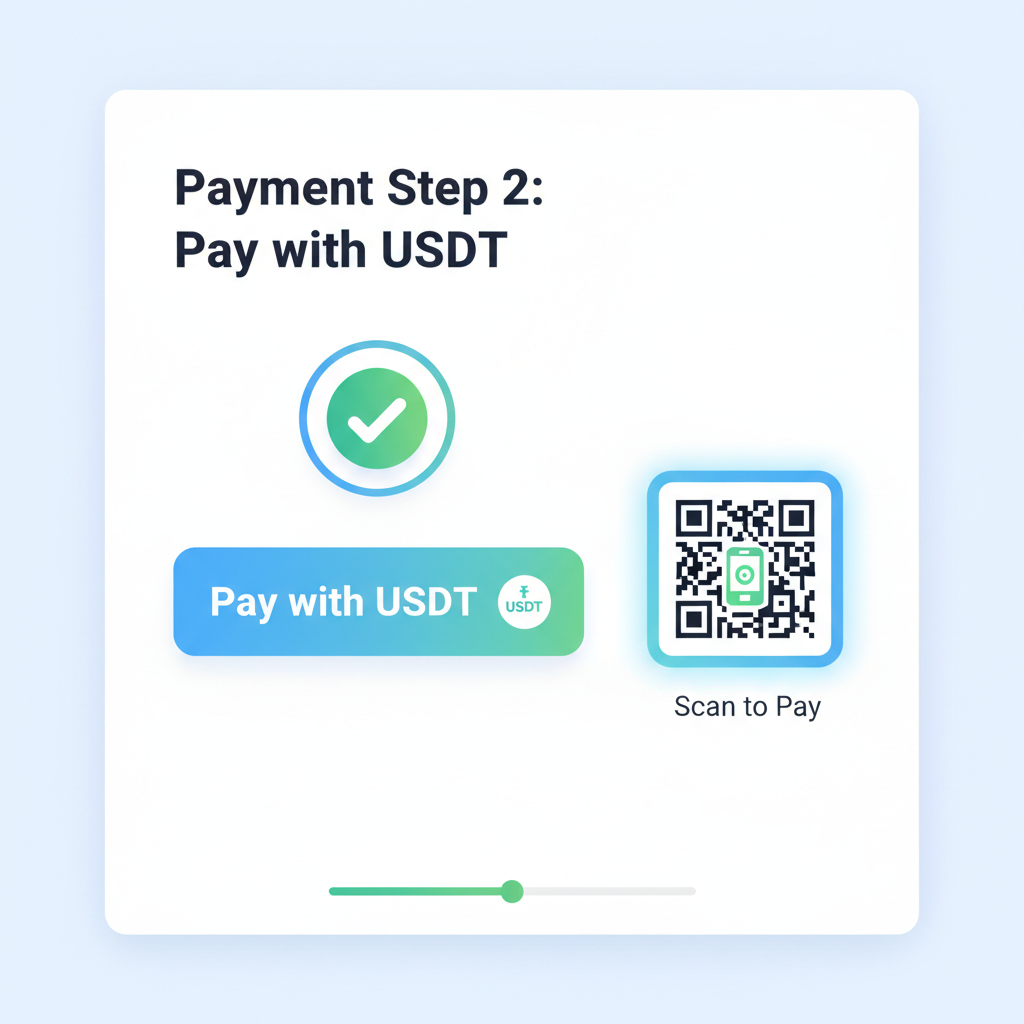
At StableTravelBook. com, we’ve tailored for this: multi-language support, local fiat ramps, and insurance tuned to regional risks like volcanic ash in Indonesia or protests in Peru. Users scan QR codes for wallet connects, confirm at $1.00 USDT rates, and receive NFT proofs of coverage. This isn’t hype; it’s audited infrastructure yielding real yield on idle stables via integrated DeFi pools.
| Feature | Traditional Booking | Stablecoin and Onchain |
|---|---|---|
| Payment Speed | Days (SWIFT) | Minutes |
| Fees | 3-7% | and lt;0.1% |
| Insurance Payout | Weeks | Instant |
| Privacy | Full KYC | Pseudonymous |
| Savings (Vietnam ex. ) | Baseline | Up to 18% flights |
Skeptics question scalability, but Ethereum’s Dencun upgrade and Solana’s throughput prove viability. For digital nomads chaining Hanoi to Medellin, USDT’s rock-solid $1.00 peg ensures budgets hold. Onchain insurance evolves too, with protocols eyeing yield-bearing covers where premiums earn staking rewards.
Forward thinkers spot the meta-shift: travel as a DeFi primitive. Book a flight, hedge weather risk, earn on stables-all composable. StableTravelBook. com pioneers this, empowering stablecoin travel booking as the default for borderless lives. As USDT volume swells in these markets, expect incumbents to follow, but early adopters reap the compound gains of speed, savings, and security.