

USDT Flights and Onchain Insurance: Secure Travel for Digital Nomads Worldwide

For digital nomads chasing sunsets across continents, the integration of USDT into flight bookings and onchain insurance marks a prudent evolution in travel finance. Stablecoins like USDT offer transaction stability without the volatility plaguing other cryptocurrencies, enabling seamless USDT flight booking even in regions with erratic fiat systems. Platforms now accept these assets directly, sidestepping conversion fees and delays that once hampered borderless lifestyles. Coupled with blockchain-based insurance, this setup provides verifiable protection against common disruptions like delays or cancellations, all while minimizing counterparty risks inherent in traditional policies.

Recent developments underscore this shift. Emirates Airlines, partnering with Crypto. com, will roll out USDT payments for flights and services by 2026, building on existing options from Travala and Alternative Airlines. These support over 600 airlines and accept USDT alongside other stablecoins, delivering up to 10% discounts for crypto users. Trip. com and Ctrip’s overseas versions have piloted USDT for hotels and flights, testing waters in high-volume markets. Fly Fairly and Cryptorefills extend this to hundreds of carriers, accepting USDT on networks like Lightning for near-instant settlements.
Platforms Pioneering Stablecoin Flights for Digital Nomads
Adopting stablecoin flights digital nomads crave requires vetted platforms balancing convenience with security. Alternative Airlines leads with broad coverage, processing USDT payments for global routes without custody risks. Travala. com integrates loyalty rewards, appealing to frequent flyers who value yield on holdings. Cryptorefills supports diverse stablecoins including USDT, SOL, and TRX, ideal for nomads multi-homing assets. Fly Fairly emphasizes borderless access, processing Bitcoin, Ethereum, and USDT swiftly.
Key USDT Flight Booking Platforms
-

Alternative Airlines – Supports USDT payments across 600+ airlines and 100+ cryptocurrencies.
-

Travala – Book flights with USDT and enjoy up to 10% crypto discounts.
-

Fly Fairly – Accepts BTC, ETH, USDT for seamless, borderless flight bookings.
-
Cryptorefills – Flights payable with USDT, multi-stablecoins, and Lightning Network.
-
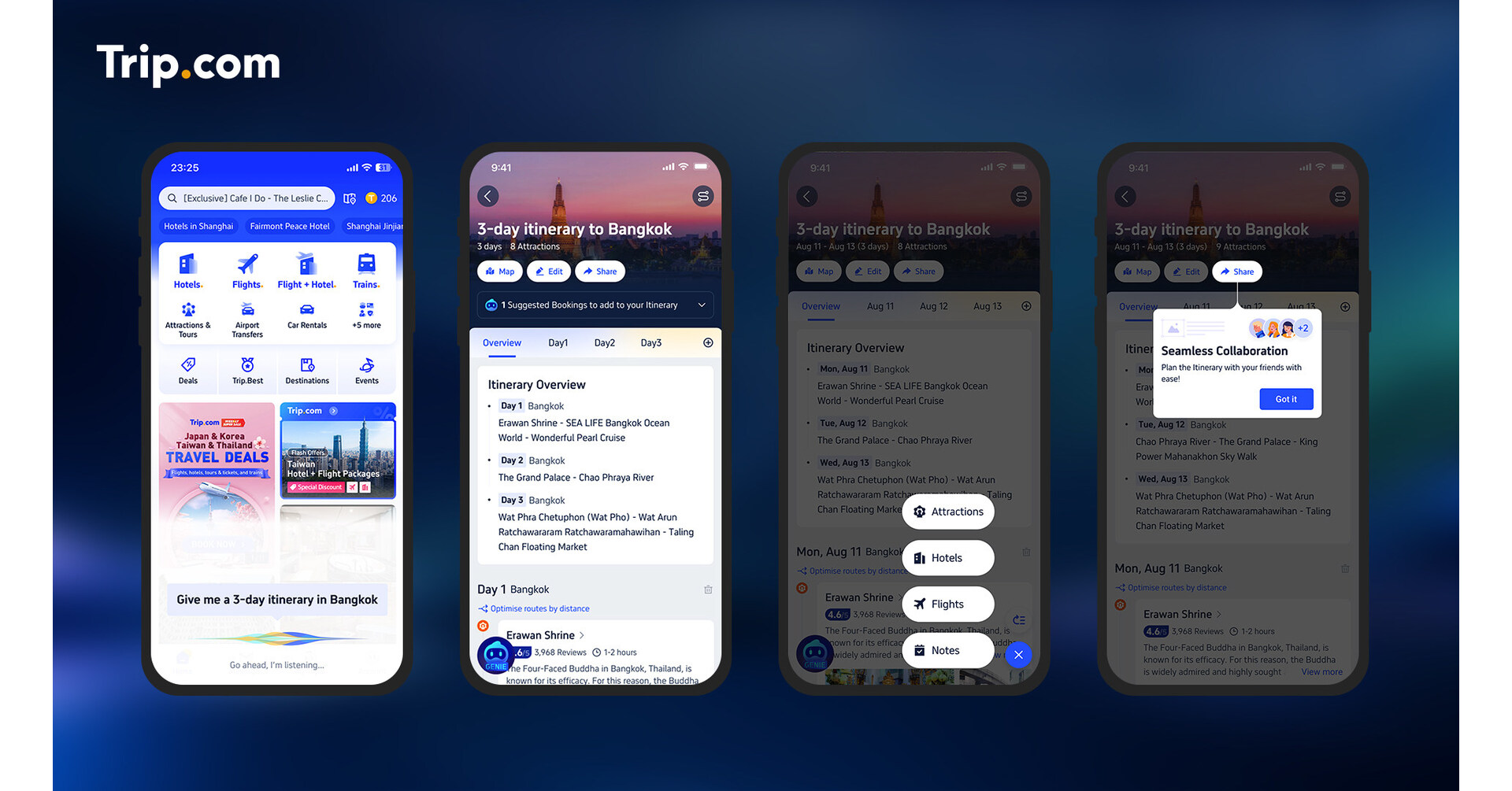
Trip.com / Ctrip – Piloting USDT payments for overseas flight and hotel bookings.
These services address core nomad pain points: forex volatility and slow cross-border transfers. USDT’s peg to the dollar ensures predictable costs, crucial when budgeting long-term stays. Yet prudence dictates verifying network fees; Ethereum-based USDT can incur gas costs, favoring cheaper alternatives like Tron or Polygon integrations where available.
Onchain Insurance Emerges as Blockchain Travel Protection
Onchain insurance flights leverage smart contracts for automated, transparent payouts, a stark contrast to opaque traditional claims. Reddit discussions in r/defi outline simple models: users mint policies on-chain, triggering payouts upon oracle-verified events like delays. Maksym Melnyk’s LinkedIn post details wallet-native approaches, embedding insurance in DeFi ecosystems nomads already navigate.
SafetyWing and World Nomads provide nomad-tailored coverage for medical issues, interruptions, and luggage loss, but lack blockchain verifiability. Onchain alternatives promise tamper-proof execution; if a flight from Bangkok to Bali delays beyond two hours, funds release instantly via Chainlink oracles. This reduces disputes, vital for nomads in remote jurisdictions.
Navigating Risks in USDT-Powered Travel Ecosystems
While enticing, blockchain travel protection demands conservative evaluation. Ctrip’s USDT launch flags compliance risks; digital nomads must track KYC thresholds and tax reporting across residencies. Awaraglobal. com highlights wallet security as paramount, recommending hardware options like Ledger for holding travel funds. Insured Nomads notes crypto holders access specialized policies without fiat conversion, but smart contract audits remain essential to avert exploits.
Empirical data from Cryptwerk shows airlines, tours, and even insurers accepting crypto worldwide, yet adoption skews toward stablecoins for their predictability. Platforms like these mitigate exchange risks, but nomads should diversify: allocate 20-30% of travel budget to USDT, retaining fiat buffers for regulatory surprises. Real-world examples affirm viability; nomads report booking European hops via Travala without hiccups, payouts from onchain pilots arriving faster than insurers.
Integrating USDT flights with onchain safeguards equips nomads for resilient journeys, prioritizing stability over speculation in Web3 travel.