
What is a digital nomad visa?
A digital nomad visa grants a remote worker the legal right to live in a foreign country while employed by a company based elsewhere. This specific visa category was created to address the rise of location-independent work, offering a legal pathway for individuals who do not fit into traditional tourist or standard work permit frameworks.
Unlike a tourist visa, which typically prohibits any form of employment, a digital nomad visa explicitly permits you to perform your job for an overseas employer while residing in the host country. It also differs from a standard work permit, which usually requires you to be employed by a local entity within the host nation and often involves complex sponsorship processes.
For 2026, understanding this distinction is critical. Holding a digital nomad visa means you are legally recognized as a resident for the duration of the permit, but you are generally not considered a tax resident of that country, provided you meet specific income and physical presence requirements. This structure allows remote workers to maintain their financial ties to their home country while enjoying the lifestyle benefits of living abroad.
Spain and Portugal lead europe
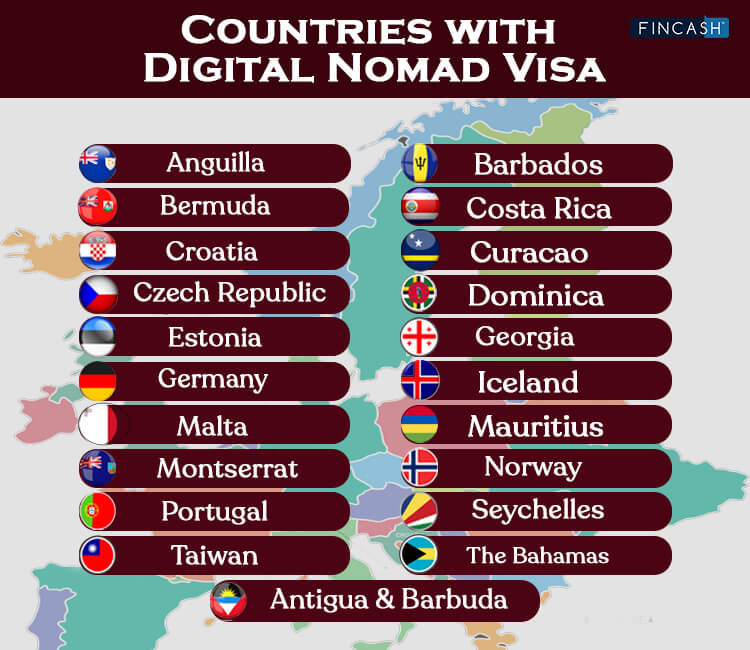
Spain and Portugal remain the most popular destinations for the 2026 digital nomad visa due to their established legal frameworks and high quality of life. While both countries offer similar lifestyle benefits, their income thresholds and tax treatments differ significantly. Understanding these distinctions is critical for remote workers evaluating long-term residency options.
Spain’s Digital Nomad Visa (DNV) requires applicants to demonstrate a monthly income of at least 2,600 euros. This threshold applies to the first applicant, with additional requirements for family members. The visa allows for remote work for non-Spanish companies and offers a path to permanent residency after five years. Spain also benefits from the "Beckham Law," which allows qualifying remote workers to pay a flat 24% income tax rate on Spanish-sourced income for the first six years, rather than the standard progressive rate that can exceed 45%.
Portugal’s DNV requires a monthly income of approximately 3,040 euros, which is roughly four times the minimum wage. This higher threshold reflects the country’s aim to attract higher-earning professionals. Portugal also offers the Non-Habitual Resident (NHR) regime, which provides a flat 20% tax rate on certain high-value activities, though recent changes have restricted eligibility for new applicants starting in 2024. Portugal’s visa is valid for one year and can be renewed for periods of up to three years.
The following table compares the key requirements for both countries to help you decide which path aligns with your financial and professional goals.
| Feature | Spain | Portugal |
|---|---|---|
| Minimum Monthly Income | 2,600 EUR | 3,040 EUR |
| Initial Visa Duration | 1 year | 1 year |
| Tax Regime | Beckham Law (24% flat) | NHR (20% flat, restricted) |
| Family Reunification | Allowed | Allowed |
| Path to Residency | 5 years | 5 years |
When selecting your destination, consider not just the income requirement but also the tax implications. Spain’s Beckham Law is often more accessible to a broader range of remote workers, while Portugal’s NHR regime has become increasingly restrictive. Always consult with a legal expert specializing in immigration law to ensure your application meets the latest regulatory requirements for the 2026 digital nomad visa.
asia and the americas
While Europe often claims the spotlight, the digital nomad visa 2026 landscape in Asia and the Americas offers compelling alternatives for remote workers prioritizing cost efficiency and ease of application. These regions provide a different pace of life, often with lower daily expenses and faster processing times for visa approvals.
colombia and costa rica
In the Americas, Colombia and Costa Rica have emerged as top contenders for remote workers. Colombia offers one of the most accessible entry points, with visa requirements that are generally straightforward and income thresholds that are lower than many European counterparts. Costa Rica appeals to those seeking a stable, established remote work community with reliable infrastructure.
thailand and vietnam
Asia continues to be a magnet for digital nomads, with Thailand and Vietnam leading the charge. Thailand’s recent updates to its Long-Term Resident visa and other digital nomad-friendly programs make it a strong option for those looking for a longer stay. Vietnam offers a vibrant culture and very low cost of living, though the official digital nomad visa landscape is still evolving, often requiring creative solutions like tourist visas or business visas.
essential gear for your stay
Regardless of your destination, having the right equipment is non-negotiable for maintaining productivity while traveling. Invest in reliable tools that can handle varied internet conditions and long workdays.


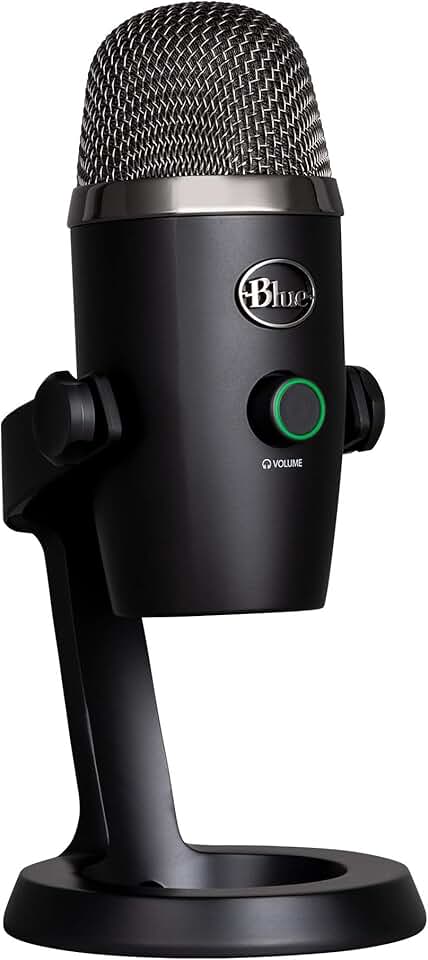
As an Amazon Associate, we may earn from qualifying purchases.
Required gear for remote work
Securing a digital nomad visa 2026 is only the first step; staying legal and productive requires more than just a laptop. Your equipment is your office, and reliability is non-negotiable when you are navigating foreign legal systems, tax obligations, and time zones. A single hardware failure can disrupt your work or compromise your ability to meet visa income requirements.
Start with a machine that balances power and portability. A lightweight laptop with strong battery life ensures you can work from cafes, co-working spaces, or transit hubs without hunting for outlets. Pair this with active noise-canceling headphones to create a quiet workspace in noisy environments, which is common in many popular nomad destinations.
Connectivity is your lifeline. While many countries offer reliable infrastructure, having a portable Wi-Fi device or a global eSIM adapter provides a critical backup when local networks fail. This redundancy is essential for maintaining video calls with international clients or submitting necessary documentation to government portals on time.


As an Amazon Associate, we may earn from qualifying purchases.
Prepare your digital nomad visa 2026 application
Applying for a digital nomad visa 2026 requires precise documentation to avoid rejection. Immigration authorities look for clarity and authenticity, so start by gathering your core identity and employment proofs.

Your passport must typically be valid for at least six months beyond your intended stay. Check the expiration date immediately; many applications are denied simply because the passport is too close to expiring.
Most countries require proof of stable remote income, ranging from $750/month in Colombia to $6,667/month in Thailand. Gather recent bank statements, employment contracts, or client invoices that clearly show your monthly earnings.
You must prove you have valid health insurance that covers you in the host country. Some nations require coverage for the entire duration of your stay, while others accept policies that cover repatriation and emergency care.
Many countries require your criminal background check and birth certificate to be notarized and apostilled. This process validates your documents for international use and can take several weeks, so start early.
Common digital nomad visa 2026: what to check next
Navigating the legal landscape for your digital nomad visa 2026 application requires clarity on taxes, family inclusion, and renewal processes. While specific regulations vary by country, these are the most frequent high-intent questions remote workers face.
Do I pay taxes in my home country?
Holding a digital nomad visa does not automatically exempt you from tax obligations in your country of origin. Tax residency is determined by the number of days you spend in a jurisdiction, not just your visa status. Many nomad visa countries offer favorable tax treatments for foreign-sourced income, but you must still comply with your home country's expatriate tax laws. Consult a tax professional specializing in international mobility to avoid double taxation.
Can I bring my family on a digital nomad visa?
Family inclusion policies differ significantly across destinations. Some countries, like Spain and Portugal, allow you to apply for dependent visas for spouses and children. Others may require separate applications or have stricter income thresholds for dependents. Always verify the specific dependent visa requirements for your target country before making travel plans.
How long is a digital nomad visa valid and can it be renewed?
Most digital nomad visa 2026 options are issued for one year, with some extending to two or three years. Renewal possibilities vary; some visas allow for multiple renewals, while others require you to leave the country for a set period before reapplying. Check the specific renewal clauses to plan your long-term stay effectively.
No comments yet. Be the first to share your thoughts!