
Define your slow travel radius
Start by drawing a circle around your home base. For slow tourism, the goal is to stay within a range where you can arrive without a plane. This constraint forces you to look closer at what is nearby, which is exactly where the depth of experience lives.
A 100-mile radius often yields better value than cross-country flights. You save on transport costs and time, allowing you to spend more nights in one place rather than packing and unpacking every few days. This proximity is the foundation of a low-carbon trip.
Slow tourism prioritizes depth over distance. A 100-mile radius often yields better value than cross-country flights.
Look for a town, a national park, or a coastal village within that circle. The specific destination matters less than the commitment to stay there for at least a week. When you remove the pressure to see everything, you create space to actually know a place.

Choose off-season dates for lower rates
Packing your bags in the wrong month is the fastest way to drain a slow travel budget. While "slow travel" has become a defining trend for 2026, with 91% of travelers seeking this slower pace, the demand spike has created new peak periods in destinations that were once quiet. To keep costs down and crowds away, you must treat timing as your primary cost-control lever.
Start by identifying the traditional shoulder seasons for your destination. These are the four-to-six-week windows immediately before and after the high season. Hotels and rental properties often drop their rates by 20–40% during these periods because the weather is still pleasant, but the mass tourism has not yet arrived. For example, booking a trip in May or September for a Mediterranean destination often yields better prices than August, without sacrificing the ability to walk around empty historic sites.
Avoid "shoulder traps," which are popular dates that have become mini-peaks due to social media trends. If a specific festival or holiday is drawing attention, rates will surge regardless of the season. Use the U.S. Travel Association’s seasonal forecasts to gauge general demand, but dig deeper into local event calendars. A quiet city can become expensive and crowded if a major conference or school break overlaps with your planned dates.
When you lock in off-season dates, you gain two advantages: lower nightly rates and more space. Slow travel is about immersion, not just saving money. You will find it easier to book last-minute dinners, secure quiet corners in cafes, and take your time exploring without feeling rushed by long lines. This flexibility is the true value of traveling when others are not.
Book longer stays at local rentals
The most effective way to lower your daily travel costs is to extend your time in one place. Slow tourism relies on this principle: by committing to a longer rental, you shift from paying nightly hotel premiums to weekly or monthly rates that significantly reduce your per-night expense. This approach also keeps money within the local economy, supporting the neighborhoods you visit rather than transient hospitality chains.
To secure these rates, you need to adjust how you search for accommodation on major platforms. The default view often hides the best deals, so you must actively filter for long-stay discounts.

Most booking engines have a "minimum nights" filter in the search bar. Set this to at least 7 nights. This immediately removes expensive one-night stays and surfaces listings where owners are more likely to offer weekly discounts. You will see fewer results, but the remaining options will be priced for longer visits.
After filtering, sort your results by "Price per night" from lowest to highest. This reveals the true cost of your stay. Many hosts offer substantial discounts for stays over two weeks, which might not be obvious when looking at the total booking cost. This sort order highlights the properties where the economy of scale is most pronounced.
If a listing has a long-stay discount already applied, message the host to confirm availability and ask if they can match or beat the rate for a direct booking. Many hosts prefer to avoid platform fees for longer commitments and may offer a private rate. This step is optional but often yields the best final price.
This strategy works because local rental owners value stability. A single booking that covers three weeks is worth more to them than three separate one-week bookings, even if the weekly rate is slightly lower. By booking longer, you secure both a lower price and a more authentic connection to your destination.
Plan daily activities around walking
Building a slow tourism itinerary starts with mapping your radius. Instead of treating transportation as a separate logistical hurdle, make walking the default mode for everything within a two-mile circle. This approach reduces your carbon footprint and forces you to notice details that buses and cars skip. As noted by Byway Travel, the slow travel movement has shifted from a niche interest to a mainstream choice for travelers seeking deeper connections with local communities.
Start each morning by identifying your primary destination. If it is within walking distance, pack a reusable water bottle and wear comfortable shoes. For slightly farther points, check if a local bus pass or bike rental is available before resorting to ride-sharing. This habit ensures that your daily movement remains low-carbon and budget-friendly.
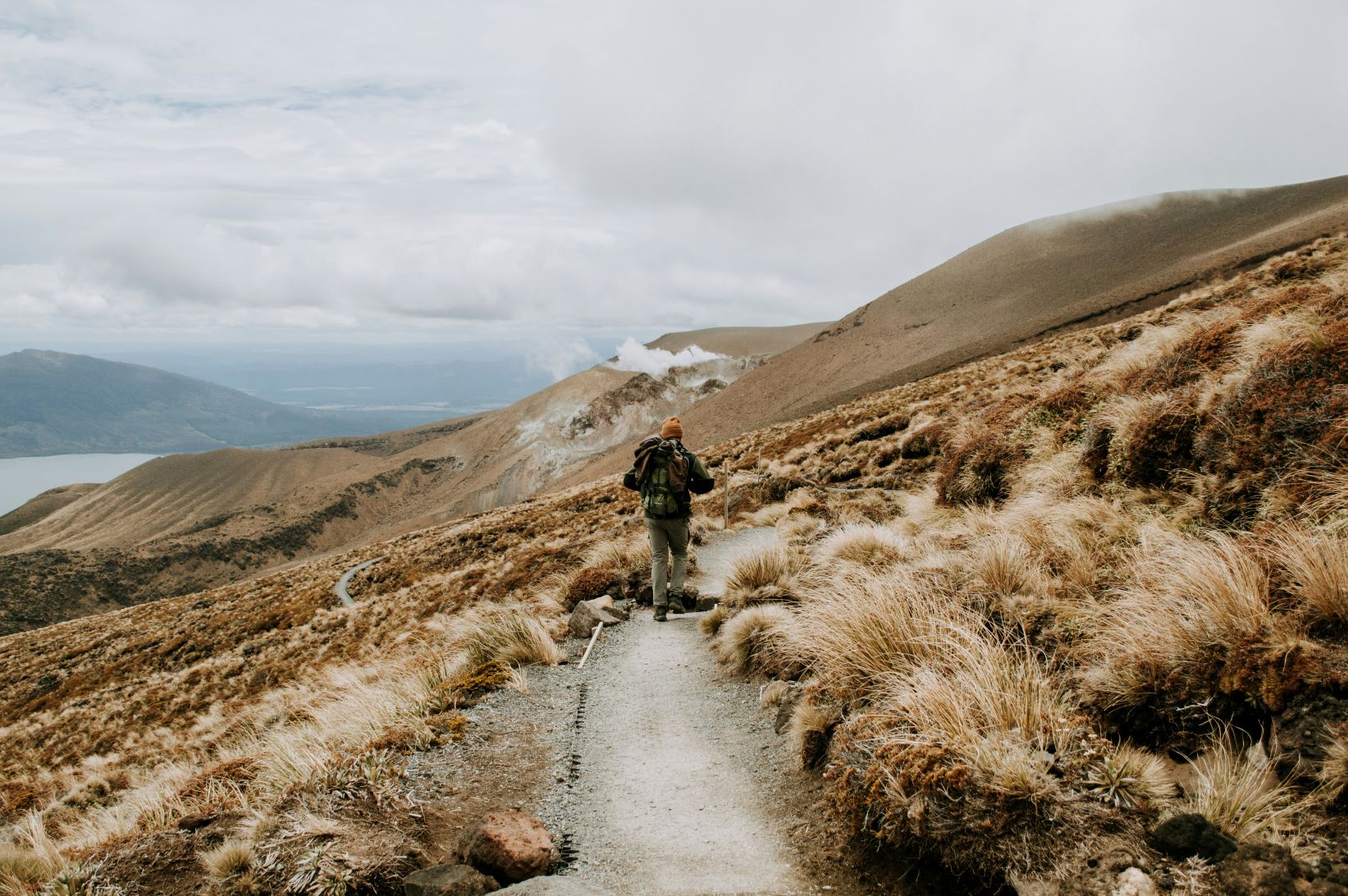
To keep your planning simple, group activities by neighborhood rather than by type. Visit the market, then the nearby park, and finish with a café in the same district. This clustering minimizes transit time and maximizes your time on the ground. It also supports local businesses that rely on foot traffic.
Checklist of low-carbon transport options to verify before finalizing your itinerary:
-
Walking distance map for primary destinations
-
Local public transit pass or bike rental availability
-
Reusable water bottle and comfortable footwear
-
Neighborhood activity clustering plan
By anchoring your days in pedestrian movement, you transform your trip into a series of small, manageable explorations. This method not only saves money but also provides a more authentic glimpse into the rhythm of the place you are visiting.
Avoid common slow travel mistakes
Slow tourism fails when you treat it like a checklist. The goal is to reduce friction, not add administrative overhead. Most travelers ruin the experience by over-planning their downtime or under-budgeting for the reality of staying longer.
Don’t schedule every hour
Leave gaps in your itinerary. If you fill every hour with tours and museums, you are just doing fast tourism at a slower pace. Slow travel requires space to get lost, sit in a café, or change plans when the weather turns. A rigid schedule creates stress, which is the opposite of the relaxation you are seeking.
Budget for the "slow" premium
Staying longer often costs more per night than a quick hotel stay, but it saves money on food and transport. However, you must account for the hidden costs of slow travel. You will likely eat more local meals than packaged snacks. You might take more local buses or trains. Under-budgeting for these daily expenses leads to stress and forces you to cut corners on the experience.
Skip the rigid booking
Book your first night and a few key anchor points. Leave the rest open. If you book every hostel and train ticket months in advance, you lose the flexibility that makes slow travel rewarding. You might find a better place or a friend to travel with. Rigid bookings trap you in plans that no longer fit your mood.
Trust your instincts
If a place feels wrong, leave. Slow travel allows you to cut your losses quickly. If you are bored or uncomfortable, do not stick to the plan out of obligation. The point is to enjoy the journey, not endure it. Be willing to change your destination if it stops serving you.
Frequently asked questions about slow tourism
Is travel slowing down in 2026? Despite the name, slow tourism isn't a decline in volume. The Spring 2026 U.S. Travel update projects spending growth at low but positive rates, continuing the trend seen in late 2025. Bolstered by domestic travel, spending is expected to grow 1% in 2026, accelerating to 3% in 2027 and 2028.
What exactly is slow tourism? Slow tourism is a deliberate shift in pace. Instead of rushing through multiple cities, you stay in one place longer to reduce transportation emissions and connect with local communities. It prioritizes depth of experience over quantity of sights.
How much money does slow tourism save? Staying longer in one location typically reduces per-day costs. You avoid frequent transit fees, booking charges, and tourist-area markups. Many travelers find that renting a local apartment for a week costs less than three nights in a central hotel.
No comments yet. Be the first to share your thoughts!