
5 Best Countries for a 2026 Digital Nomad Visa
As global immigration policies shift throughout 2026, securing the right legal framework is critical for remote professionals. This guide identifies the top five destinations offering robust digital nomad visa programs, prioritizing jurisdictions with transparent regulatory pathways and stable residency requirements.
1. Spain: Europe's remote work hub
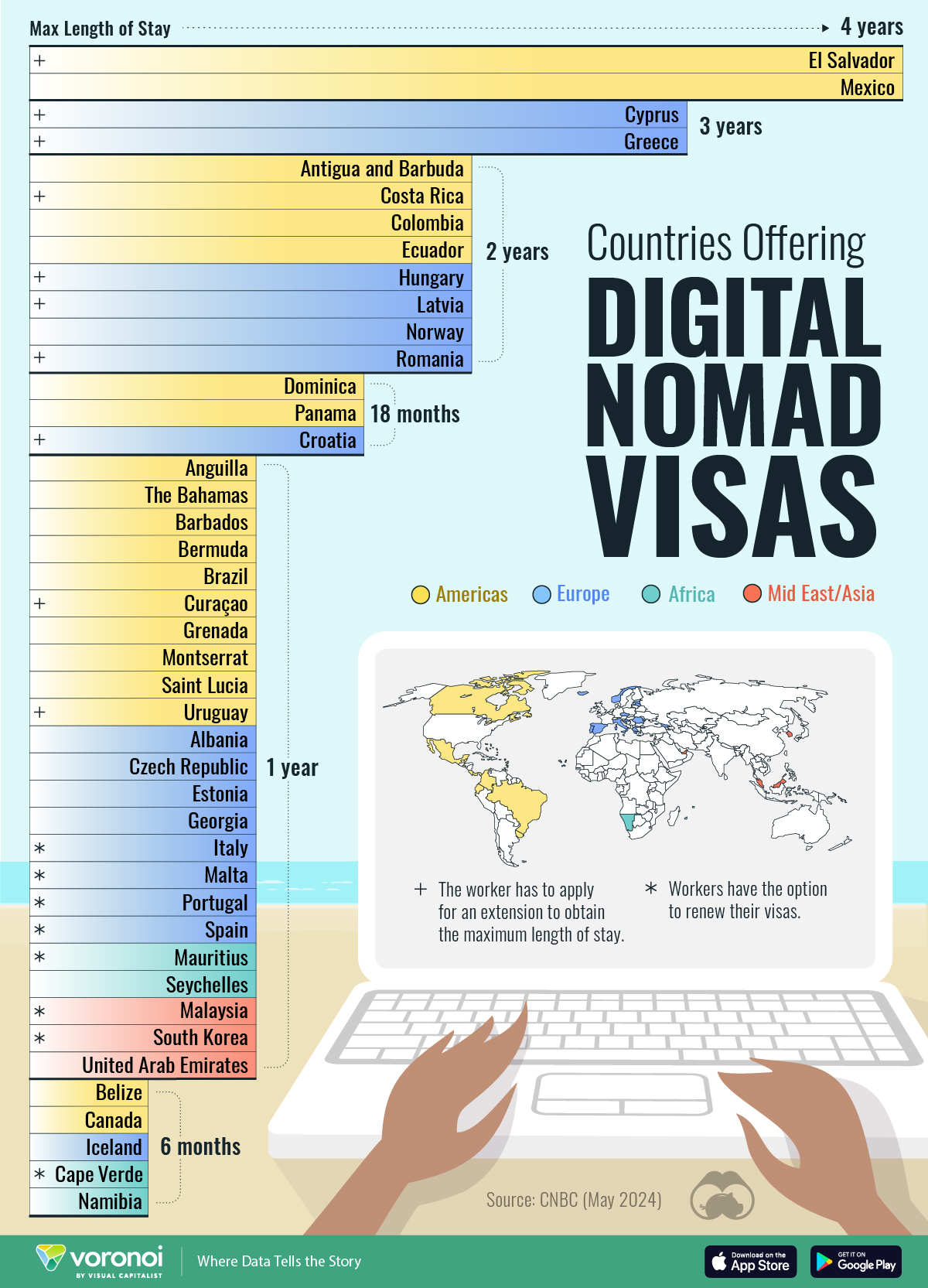
Spain’s digital nomad visa offers a streamlined pathway for remote workers to reside in Europe, featuring tax benefits and a clear residency track. The infrastructure supports modern lifestyles with robust internet in major cities like Madrid and Barcelona. This option appeals to those seeking a blend of professional stability and rich cultural immersion within the EU framework.

2. Portugal: The long-time favorite
Portugal remains a top choice due to its established digital nomad visa program and favorable tax regimes for new residents. The country offers a high quality of life, safe environments, and excellent connectivity in Lisbon and Porto. Its welcoming culture and moderate climate make it an enduring favorite for remote professionals seeking stability and community.
![[Ultra Compact] Foldable & Portable Laptop Stand for Desk, Lightweight Tablet Stand for Business Travel, Library, Cafe, 6 Level Height Ergonomic Aluminum Computer Holder for 10-16" Laptops](https://m.media-amazon.com/images/I/71NHtRArAPL._AC_UY654_QL65_.jpg)
3. Croatia: Coastlines and clarity
Croatia’s digital nomad visa provides access to stunning Adriatic coastlines and historic cities like Dubrovnik and Split. The program offers a straightforward application process for remote workers, combining professional opportunity with breathtaking natural beauty. It is ideal for those who value work-life balance and scenic environments while maintaining reliable internet access.

4. Sri Lanka: New entry in 2026
Sri Lanka introduces a compelling digital nomad visa option for 2026, offering affordability and tropical charm. The island features lush landscapes, historic sites, and a growing digital infrastructure in Colombo. This destination attracts budget-conscious remote workers seeking exotic experiences and a relaxed pace of life without compromising on essential connectivity needs.

5. Cabo Verde: African stability
Cabo Verde offers a unique digital nomad visa experience, combining African stability with European influences. The archipelago provides a peaceful environment, safe communities, and growing internet infrastructure. This destination is perfect for remote workers seeking a quiet retreat with reliable services, ideal for those prioritizing tranquility and cultural diversity in their work location.

How to pick your 2026 digital nomad visa
Selecting the right country for a digital nomad visa in 2026 requires looking beyond the initial allure of sunny beaches or historic architecture. With over 60 countries now offering some form of remote work authorization, the market has shifted from novelty to necessity. The landscape is no longer about finding a visa; it is about finding the one that aligns with your specific financial profile, career stability, and long-term goals.
The primary criteria for evaluation remain consistent: cost of living, ease of entry, and regulatory stability. However, 2026 introduces new variables. Many nations have tightened income thresholds to ensure remote workers contribute positively to local economies without displacing local talent. Others have streamlined digital application processes, reducing processing times from months to weeks. Understanding these nuances is critical to avoiding application rejections or unexpected financial burdens.
When evaluating options, prioritize countries with clear, published requirements. Ambiguity in immigration law can lead to costly legal fees or sudden policy changes that disrupt your work. Look for nations that offer straightforward renewal processes and clear paths to tax residency if you plan to stay longer. The goal is to find a jurisdiction that offers the balance of legal security and lifestyle quality that supports your productivity.
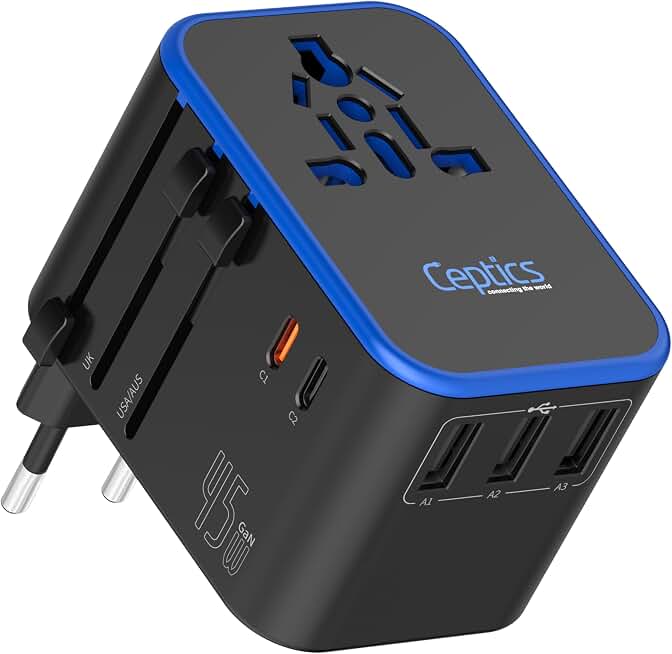
To ensure you can work effectively from any location, having the right gear is essential. The following tools help maintain connectivity and productivity while navigating new time zones and workspaces.


As an Amazon Associate, we may earn from qualifying purchases.
Compare visa costs and requirements
Choosing a destination requires balancing upfront costs against ongoing financial thresholds. The following comparison highlights the primary entry barriers for the five leading destinations, focusing on visa fees, minimum income proofs, and initial duration. Data reflects 2026 official guidelines and major aggregator indices.
| Country | Visa Fee | Min. Monthly Income | Initial Duration | Key Benefit |
|---|---|---|---|---|
| Portugal | €90 | €3,280 | 1 year | Path to residency |
| Spain | €60 | €2,600 | 1 year | Schengen access |
| Estonia | €100 | €4,500 | 1 year | Digital infrastructure |
| Sri Lanka | ~$125 | ~$2,000 | 1 year | Low entry cost |
| Croatia | €100 | €2,700 | 1 year | EU coastal living |
Income requirements vary significantly based on currency fluctuations and whether dependents are included. Portugal and Estonia generally demand higher proof of funds, reflecting their robust economies and established expat ecosystems. Sri Lanka remains the most accessible option for remote workers seeking lower-cost bases, though infrastructure consistency may vary.


As an Amazon Associate, we may earn from qualifying purchases.
Checklist for your visa application
Preparing your digital nomad visa application requires precision. Consular officers review hundreds of files, and incomplete paperwork is the primary reason for rejection. Treat this process like a legal filing rather than a casual travel request.
Start by gathering proof of remote employment. Most countries require a letter from your employer confirming your role and that you work exclusively for a foreign entity. Next, secure your financial records. Bank statements from the last three to six months must show sufficient funds to support your stay without local employment.
Health insurance is non-negotiable. You need a policy that covers medical emergencies and repatriation for the entire duration of your visa. Finally, obtain a clean criminal record check. This document often requires apostille certification to be valid internationally.
Request a formal letter from your employer. It must state your job title, salary, and confirmation that you work remotely for a company based outside the host country. Some nations require this letter to be notarized.
Download official bank statements covering the last three to six months. Highlight consistent income deposits. If you use freelance platforms, include payout records alongside personal bank statements to demonstrate stable cash flow.
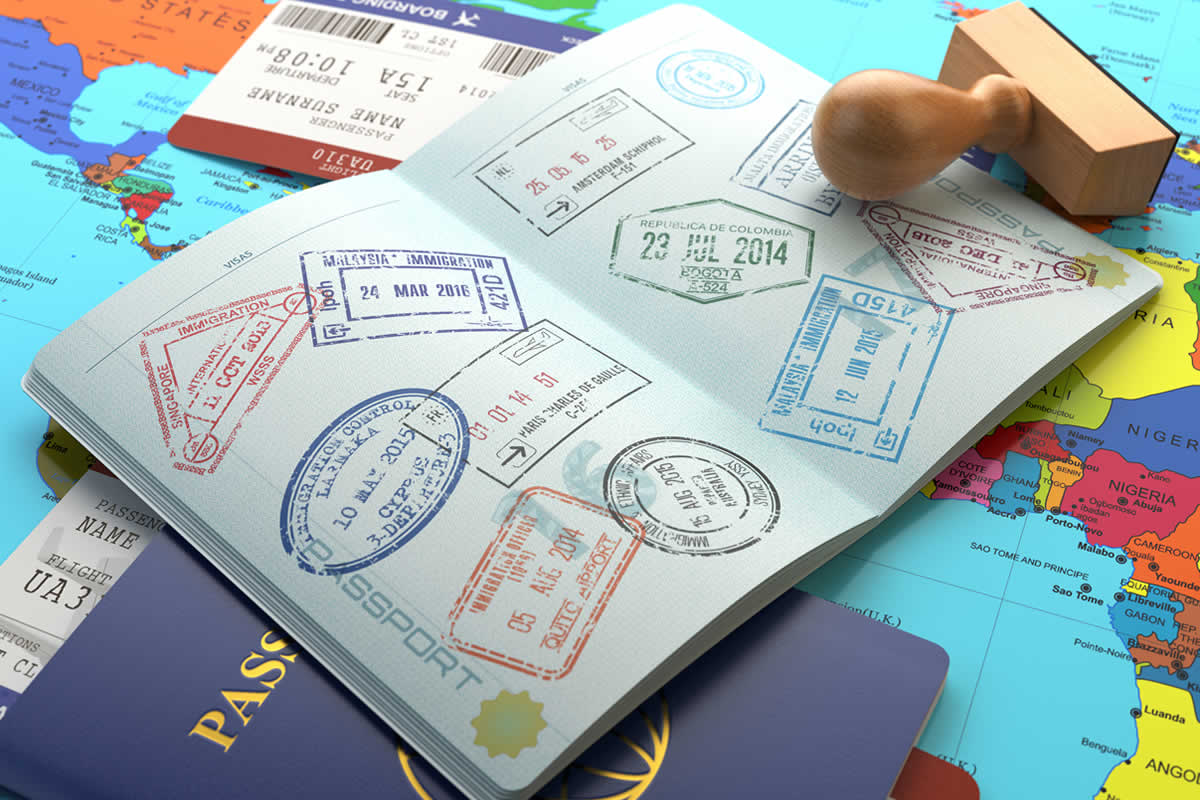
Purchase a policy that explicitly covers digital nomads. Ensure it includes hospitalization, emergency evacuation, and repatriation. Keep a digital and physical copy of the policy certificate and the insurer’s 24/7 emergency contact number.
Apply for a criminal background check from your country of residence. This document often needs an apostille or legalization by the host country’s embassy. Process this early, as background checks can take several weeks to issue.


As an Amazon Associate, we may earn from qualifying purchases.
No comments yet. Be the first to share your thoughts!