
2026 Digital Nomad Visas Budget
The cost of living is the primary filter for choosing a destination. While some countries offer low daily expenses, their visa fees and income requirements can be steep. In 2026, the tradeoff is clear: lower monthly costs often mean stricter proof of funds or longer processing times.
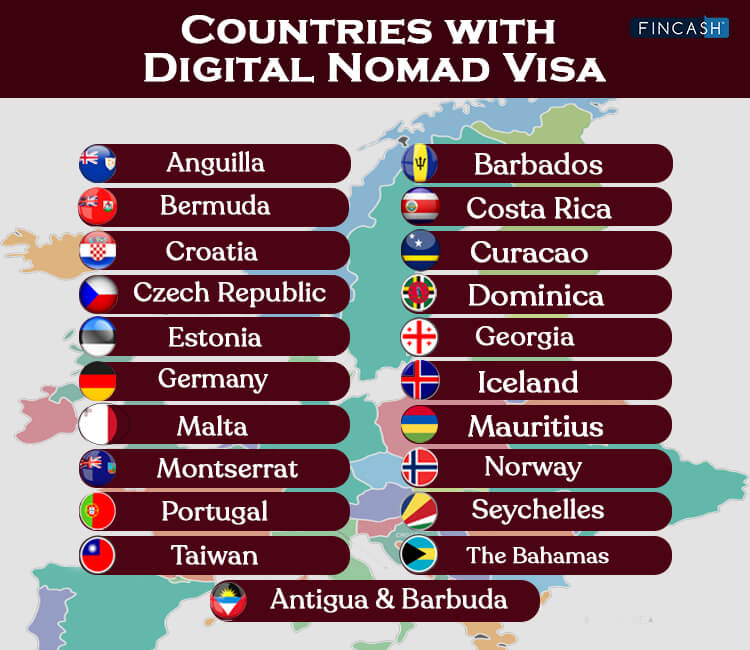
Croatia remains a top pick for remote workers in 2026, balancing vibrant culture with manageable costs. However, you must verify current income thresholds, which often exceed $2,000–$3,000 monthly. Other European hubs like Portugal and Spain have adjusted their requirements to reflect inflation, making the "cheap Europe" narrative less accurate.
When evaluating options, look beyond the visa fee. Factor in health insurance, which is often mandatory and costs $50–$150 monthly. Rent varies wildly between city centers and suburbs. A realistic budget should include a 20% buffer for unexpected expenses or currency fluctuations.


As an Amazon Associate, we may earn from qualifying purchases.
Startups and freelancers should prioritize countries with clear tax treaties or favorable digital nomad tax regimes. Some nations offer tax holidays for the first year, which can significantly impact your net savings. Always consult a tax professional before committing, as residency rules can change rapidly.
Shortlist real options
Finding the right digital nomad visa in 2026 means balancing cost, connectivity, and legal stability. While over 50 countries now offer remote work permits, the strongest options share clear criteria: straightforward application processes, reliable infrastructure, and flexible stay durations. We’ve narrowed the field to the top contenders that consistently rank high for long-term remote work.
The following table compares the key parameters for the leading destinations. Use this data to filter based on your specific needs, such as tax residency, family inclusion, or processing speed.
| Country | Max Stay | Income Requirement | Renewable |
|---|---|---|---|
| Croatia | 12 months | €2,300/mo | Yes |
| Estonia | 1 year | €4,507/mo | Yes |
| Spain | 1 year | €2,600/mo | Yes |
| Portugal | 1 year | €3,040/mo | Yes |
| Germany | 1 year | €1,400/mo | No |
| Thailand | 180 days | $800/mo | Yes |
Croatia remains a top pick for 2026 due to its unique culture and unbeatable coastlines, offering a straightforward path for remote workers seeking a European base. Estonia’s program is notable for its digital-first application process, appealing to tech-savvy nomads who value efficiency. Spain and Portugal continue to attract large numbers of remote workers with their established expat communities and favorable tax regimes, though income thresholds have risen slightly.
For those prioritizing cost of living, Thailand’s Long-Term Resident (LTR) visa or standard digital nomad permits offer a low barrier to entry with minimal income requirements. Germany’s visa is unique for its lack of renewal, serving as a one-year testing ground for remote work in the EU. When evaluating these options, consider not just the monthly income proof, but also health insurance requirements and family inclusion policies, which can significantly impact your total cost of living.
Inspect the expensive parts
A digital nomad visa is a tool, not a guarantee of stability. The real cost of failure usually comes from hidden compliance traps or lifestyle mismatches that surface months after you arrive. Before committing to a destination, run through this inspection checklist to flag the failure points that drain wallets and time.
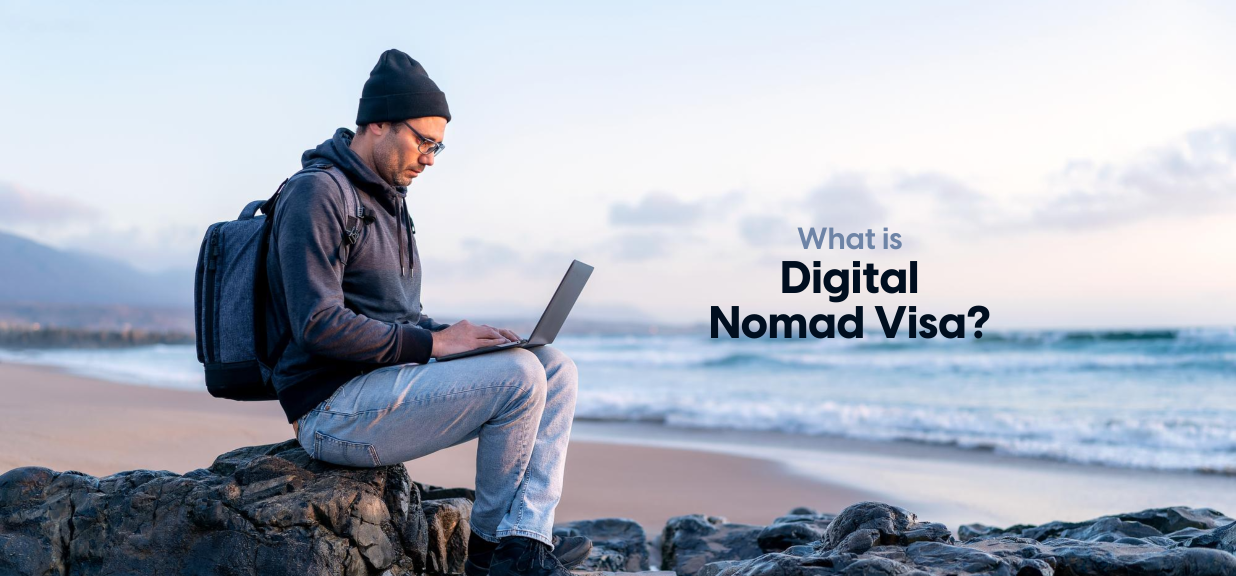
Many visas offer tax benefits only if you do not exceed a specific number of days in the host country. If you spend more time there than the limit, you may become a tax resident and owe local income tax on worldwide earnings. Check the exact day-count threshold and whether it resets annually or per visa term.

Standard travel insurance rarely covers long-term chronic conditions or repatriation. Ensure your policy is valid for the entire visa duration and covers pre-existing conditions if applicable. Some countries require proof of coverage with a minimum value (e.g., $50,000); verify the exact amount and that it includes medical evacuation.
Opening a local bank account is often impossible on a nomad visa. Verify if your home bank allows international transactions without freezing your account. Test if your primary payment processors (Stripe, PayPal) work in the destination country, as some regions restrict business accounts for non-residents.
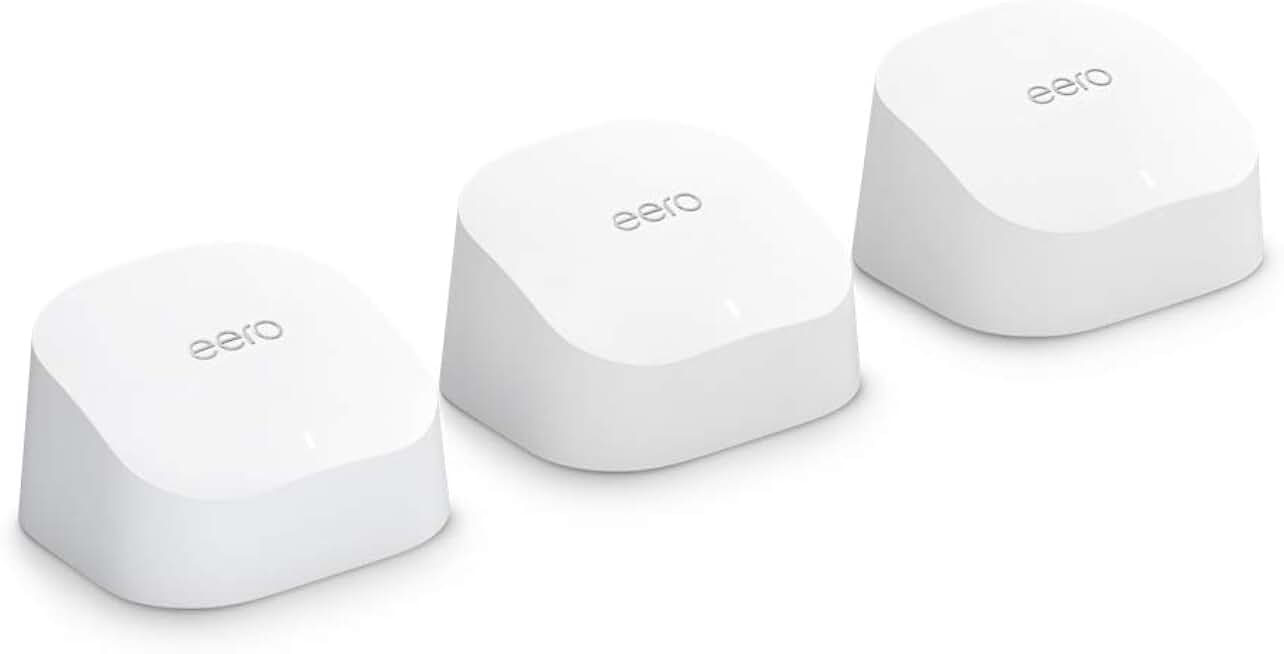
Remote work fails when the connection drops. Research average upload speeds in your target city, not just the capital. Identify co-working spaces with dedicated fiber lines and check if your ISP offers a backup 4G/5G router option. A single point of failure can cost you client contracts.

Some visas are strictly temporary with no path to permanent residency. If you plan to stay longer than the initial term, check if the visa allows renewal or if you must leave the country to reapply. Understand the processing times for extensions to avoid legal gaps in your status.
Ownership costs
A visa makes you legal; the local cost of living determines whether you can stay. The cheapest rent often comes with hidden trade-offs that drain your budget faster than a high monthly fee.
Start by checking the local utility market. In many European hubs, electricity prices have spiked, turning a cheap apartment into an expensive one during winter. Internet is another variable. Standard residential plans may not offer the upload speeds or static IP addresses you need for video calls. If you require a business-grade connection, expect a 30-50% premium over residential rates.
Maintenance surprises are common in older buildings. If the heating system breaks in a historic apartment, the repair cost might fall on you, not the landlord. Always read the lease agreement carefully. Look for clauses about condominio fees in Italy or Ibupro in Spain. These mandatory community charges can add hundreds of dollars to your monthly overhead.
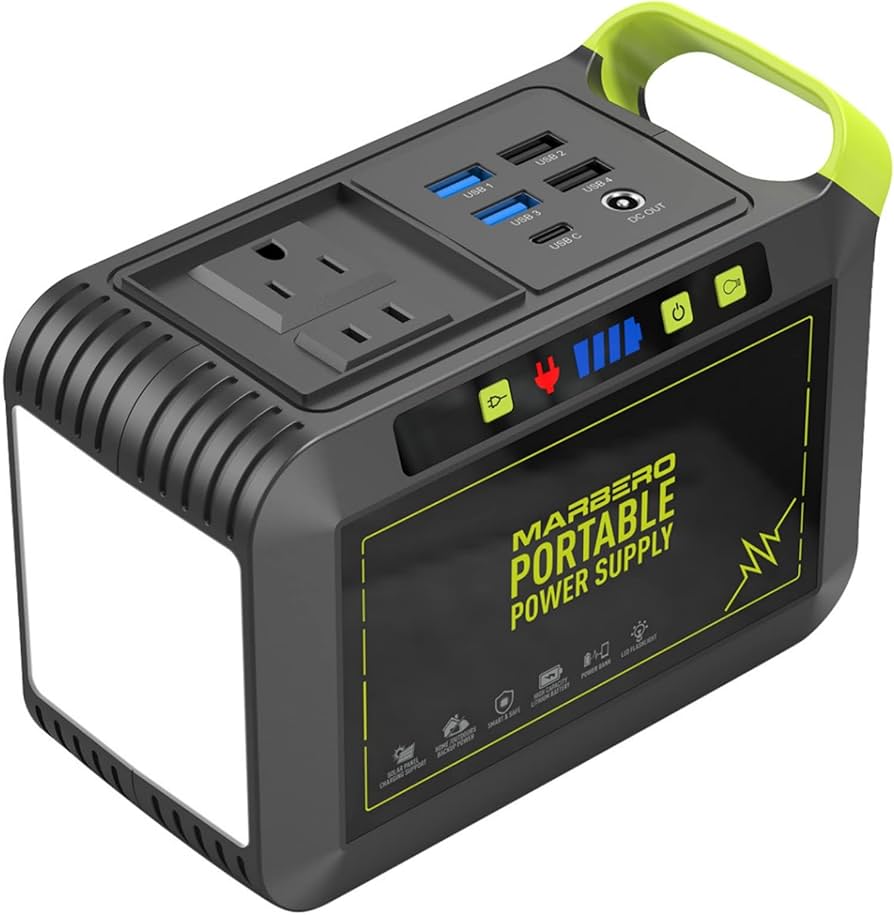
When a cheap buy stops being cheap, it is usually because the location forces you to buy things you would get for free at home. Renting a car because public transit is unreliable, or buying a generator because the power grid is unstable, turns a budget destination into a luxury one. Calculate your total monthly burn rate, including these hidden taxes and fees, before signing anything.

As an Amazon Associate, we may earn from qualifying purchases.
2026 digital nomad visas: what to check next
Choosing the right destination often comes down to balancing cost, stability, and bureaucracy. Here are the most common practical questions about securing a long-term remote work permit in 2026.
How many countries offer digital nomad visas in 2026?
The landscape has expanded significantly. Over 50 countries now offer some form of digital nomad visa, with Europe leading the charge. Countries like Croatia and Malta remain top picks due to their established infrastructure, while others like New Zealand and Dominica rank highly for their specific remote work policies.
What income requirements do I need to meet?
Most programs require proof of stable remote income, typically ranging from $2,000 to $4,000 per month. Some countries, like Spain, require a higher threshold, such as 200% of the local minimum wage. Always check the latest financial proof requirements, as they can change annually.
Can I work for a local company with a digital nomad visa?
Generally, no. These visas are designed for remote workers earning income from outside the host country. If you plan to work for a local employer, you will likely need a standard work permit or a self-employed residence permit, which often involves different tax and legal obligations.
How long can I stay on a digital nomad visa?
Validity periods vary widely. Many visas, such as those in Spain, offer two-year terms with renewal options. Others, like those in Estonia or the Bahamas, may offer shorter initial stays of six months to one year. Check if the visa allows for multiple entries and extensions before applying.
No comments yet. Be the first to share your thoughts!