
How to pick a 2026 digital nomad visa
Selecting the right visa for 2026 requires evaluating three hard constraints: income thresholds, tax residency implications, and program stability. Most European programs mandate a minimum monthly income between €2,850 and €4,000, alongside valid health insurance and proof of accommodation [src-serp-3]. Falling short of these baselines results in immediate rejection, regardless of other qualifications.
Income requirements are statutory hurdles. Programs like Portugal’s D8 and Spain’s Digital Nomad Visa enforce strict financial proof to ensure applicants do not burden local social services. You must demonstrate steady, recurring remote income, not one-time windfalls. Verify current thresholds on official government immigration portals, as these figures adjust annually with inflation indices.
Tax residency is the second critical factor. Holding a remote work visa often triggers tax residency status, meaning you may owe taxes on worldwide income in your host country. Some nations offer favorable tax regimes for new residents, while others tax global earnings immediately upon arrival. Misunderstanding these rules can lead to double taxation or legal penalties. Always consult a cross-border tax specialist before committing to a jurisdiction.
Finally, assess program stability. Visas issued under temporary decrees carry higher risk than those codified in immigration law. Prioritize countries with established legal frameworks for remote workers, ensuring your visa status remains secure even if political climates shift. Long-term stability outweighs short-term perks when planning your 2026 relocation.
Top European destinations for remote workers
Spain and Portugal remain the most established gateways for remote workers seeking EU residency. Both nations offer structured visa programs that provide legal clarity, tax incentives, and a clear pathway to long-term settlement. For professionals prioritizing regulatory stability and access to the Schengen zone, these two Iberian destinations offer the most predictable frameworks.
Spain: The Digital Nomad Visa
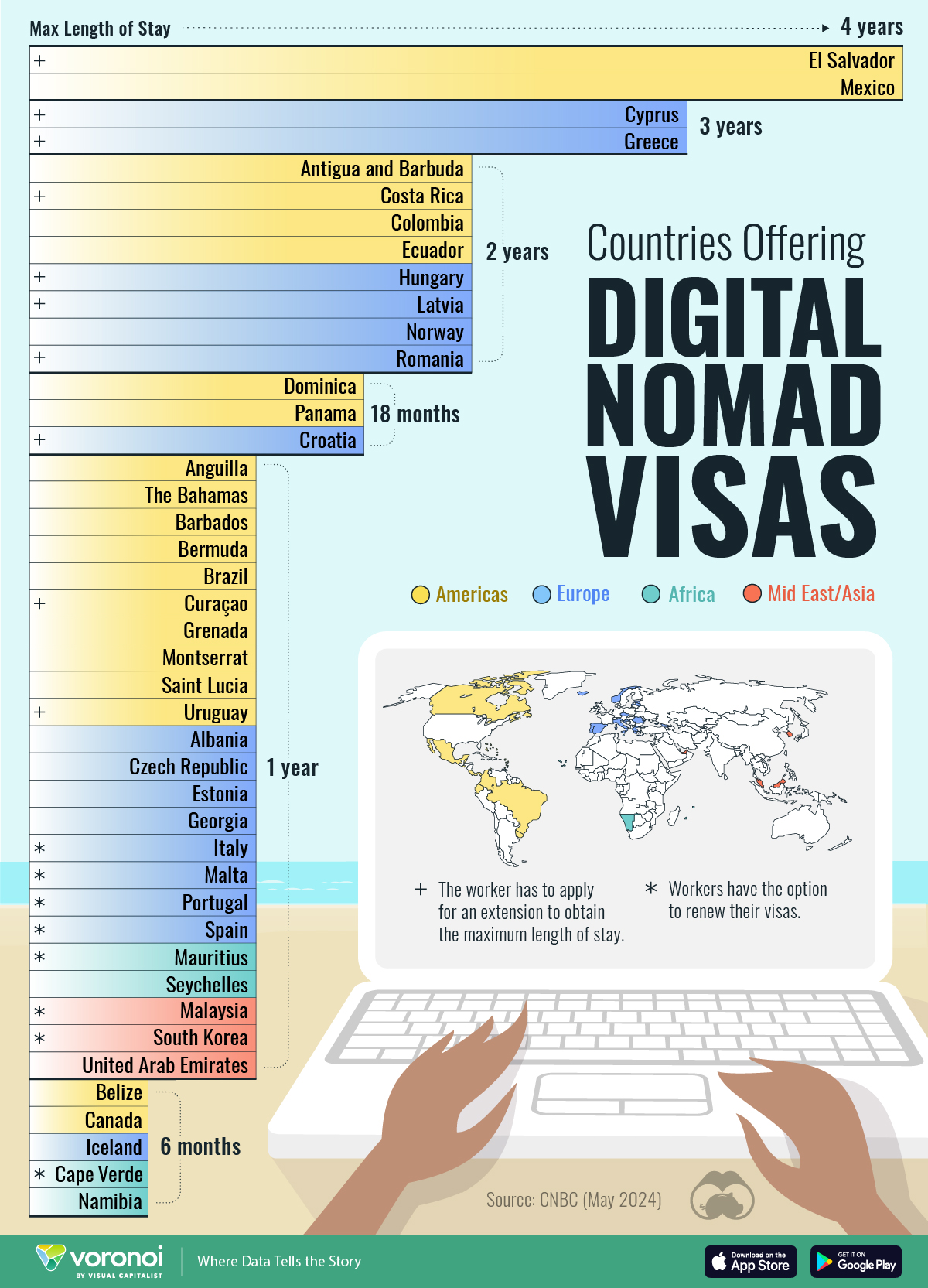
Spain’s Digital Nomad Visa (DNV) allows remote workers to reside in the country for up to three years, with the option to renew. The primary benefit is the Beckham Law equivalent for remote workers, which offers a flat 24% income tax rate for the first four years, significantly lower than the standard progressive rate that can exceed 40%. Applicants must prove a monthly income of at least 200% of the Spanish minimum wage (approx. €2,640 in 2024) and have a remote employment contract or freelance clients outside Spain.
The application process requires a clean criminal record from your home country and comprehensive health insurance. While the visa grants access to the entire Schengen area, the administrative processing time can vary by consulate, often taking several months. It is a robust option for those who need immediate EU mobility but are willing to navigate bureaucratic delays.
Portugal: The D7 and Digital Nomad Visa
Portugal offers two primary routes: the D7 Visa (often called the passive income visa) and the specific Digital Nomad Visa (DTV). The DTV requires a monthly income of roughly 4x the Portuguese minimum wage (approx. €3,280 in 2024). Portugal’s former Non-Habitual Resident (NHR) tax regime, which offered a flat 20% tax rate on foreign-sourced income, has been reformed, but new incentives for remote workers and high-value activities remain attractive.
Portugal is often preferred for its slower pace and established expat communities. However, recent housing crises in Lisbon and Porto have led to stricter rental regulations. The visa is valid for one year, renewable for two more, and can lead to permanent residency after five years. It is a solid choice for workers who value a lower cost of living outside major urban centers and a straightforward path to citizenship.
Visa Comparison: Spain vs. Portugal
| Feature | Spain Digital Nomad Visa | Portugal Digital Nomad Visa |
|---|---|---|
| Duration | 3 years (renewable) | 1 year (renewable for 2) |
| Income Requirement | ~€2,640/month (200% PMW) | ~€3,280/month (4x PMW) |
| Tax Benefit | Flat 24% rate (4 years) | Reformed NHR/Flat rates |
| Schengen Access | Yes | Yes |
| Path to Citizenship | 10 years | 5 years |
| Feature | Spain | Portugal |
|---|---|---|
| Visa Duration | 3 years (renewable) | 1 year (renewable for 2) |
| Income Requirement | ~€2,640/month | ~€3,280/month |
| Tax Benefit | Flat 24% rate | Reformed NHR/Flat rates |
| Schengen Access | Yes | Yes |
| Path to Citizenship | 10 years | 5 years |
Essential Gear for Remote Work in Europe
Working remotely across different time zones and locations requires reliable, portable equipment. A high-quality laptop stand and ergonomic keyboard can prevent strain during long work sessions in cafes or co-working spaces. A portable power bank ensures you stay connected during transit or in areas with limited outlets. For secure communication, noise-canceling headphones are essential for maintaining focus in busy European environments.


As an Amazon Associate, we may earn from qualifying purchases.
Visa options in Latin America and Asia
Several nations in Latin America and Asia have introduced remote work visas to attract professionals seeking favorable regulatory environments. These programs often feature longer validity periods and more favorable tax treatments compared to traditional tourist visas, making them viable long-term bases for remote professionals.
Costa Rica
Costa Rica’s Digital Nomad Visa offers a two-year residency with the option to renew. It requires proof of stable income from foreign sources and health insurance coverage valid in the country. The visa allows holders to bring dependents and provides a clear legal pathway for extended stays without the need for frequent border runs.
Thailand
Thailand’s Enhanced Visa for Long-term Residents (LTR) and the new Digital Nomad Visa provide distinct pathways for remote workers. The LTR visa targets high-income earners and offers long-term stays with tax benefits, while the new digital nomad visa caters to those with lower income thresholds. Both require proof of income and health insurance, with the LTR offering additional privileges for wealthy retirees and experts.
Malaysia
Malaysia’s DE Rantau Nomad Pass allows remote workers to stay for up to 12 months, renewable once. It requires a minimum monthly income of $24,000 USD and health insurance. The pass provides access to Malaysia’s developed infrastructure and lower cost of living compared to Singapore, making it an attractive option for those in the Asia-Pacific region.
Bali, Indonesia
While Indonesia does not have a specific digital nomad visa, many remote workers utilize the B211a visa or the new Bali Digital Nomad Visa pilot program. The B211a visa allows for stays up to 60 days, extendable to 180 days, and requires proof of income and health insurance. The pilot program, launched in Bali, offers a more streamlined process for remote workers, though it is currently limited to specific regions.
Essential Gear for Remote Work Abroad
Reliable connectivity and power solutions are critical for remote workers in Latin America and Asia. The following products ensure you stay connected and productive regardless of local infrastructure.


As an Amazon Associate, we may earn from qualifying purchases.
Essential Gear for Stable Remote Work
Securing a remote work visa grants legal residency, but it does not guarantee the infrastructure required for consistent productivity. Remote work abroad depends entirely on reliable connectivity and hardware that can withstand variable power grids and unstable local networks. Without the right tools, a single dropped connection can disrupt client meetings or cause you to miss critical filing deadlines.
The foundation of any remote setup is a dedicated mobile hotspot. Local SIM cards often suffer from coverage gaps in rural areas or historic districts. A global LTE router with multiple SIM slots ensures you can switch carriers instantly if one network fails. Pair this with a high-capacity power bank to maintain operations during unexpected outages, which are common in developing regions.
Power compatibility is the next logistical hurdle. Plugging a US-standard laptop charger into a European outlet without the correct adapter can damage equipment or pose a fire hazard. Invest in a universal travel adapter with built-in USB-C ports and surge protection. This single device handles voltage conversion and physical connectivity, reducing the clutter of multiple plugs in a shared workspace.

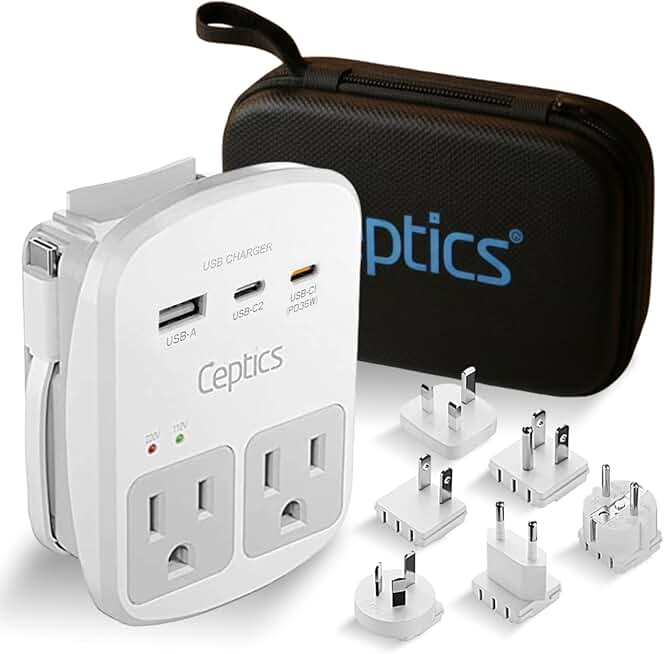

As an Amazon Associate, we may earn from qualifying purchases.
These tools are operational necessities. Treat your technology stack with the same diligence you apply to your visa documentation. A stable connection and secure power source are the prerequisites for meeting the income and insurance requirements that keep your visa status valid.
Checklist for visa application success
Preparing a remote work visa application requires precision. Immigration authorities scrutinize documentation for inconsistencies, and missing items can lead to immediate rejection. Use this checklist to organize your materials before submitting your application.
Ensure your passport has at least six months of validity remaining from your intended entry date. Many countries require this buffer period. Scan the bio-data page clearly, ensuring all corners are visible and text is legible.

Most programs require proof of stable remote employment or freelance income. Gather recent bank statements (typically 3-6 months), employment contracts, or client invoices. Some countries specify a minimum monthly income threshold; verify this figure on the official government portal.
Valid health insurance is mandatory in most jurisdictions. The policy must cover medical emergencies, hospitalization, and repatriation for the entire duration of your stay. Ensure the policy is issued by an insurer recognized by the destination country.
If your documents are not in the official language of the destination country, obtain certified translations. Notarized copies of your passport, birth certificate, and police clearance may also be required. Verify specific translation requirements on the embassy website.
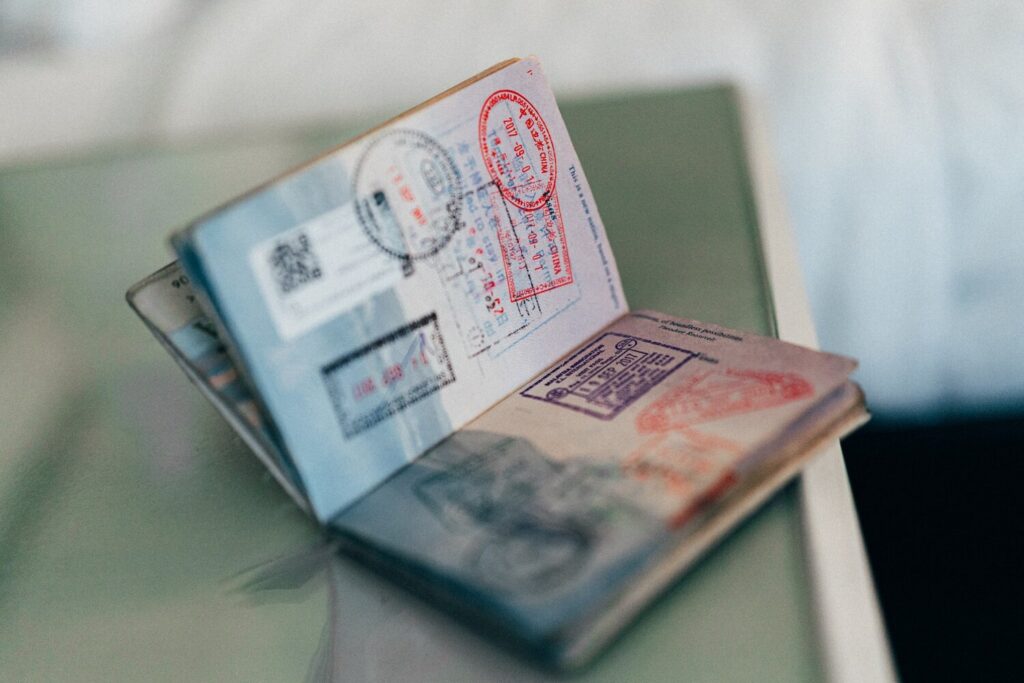
Create a secure digital folder with high-resolution scans of all documents. Carry printed copies in your carry-on luggage. Use a reliable document scanner app to capture any additional paperwork on the go. Keep originals in a separate location from copies.


As an Amazon Associate, we may earn from qualifying purchases.
Common visa application: what to check next
Navigating remote work visa requirements demands precision. While each country sets its own rules, certain patterns emerge in 2026 that affect every applicant. Understanding these specifics prevents costly delays or rejections before you even book your flight.
How long does processing take?
Processing times vary significantly by jurisdiction. Some countries offer expedited processing for an additional fee, while others require weeks of administrative review. Always check the official government immigration website for the most current timelines, as these can shift with seasonal demand.
Can I include my family?
Most remote work visas allow dependents, but the rules are strict. You typically must prove sufficient income to support your entire household, not just yourself. Some countries require additional health insurance coverage for spouses and children, which can increase your overall budget significantly.
What documents are absolutely required?
Beyond a valid passport with six months of remaining validity, you will need proof of remote employment or freelance income. This usually means recent bank statements, employment contracts, or client invoices. Some countries also require a clean criminal record check from your home country, notarized and apostilled.


As an Amazon Associate, we may earn from qualifying purchases.
No comments yet. Be the first to share your thoughts!