
How to pick a visa destination
Choosing a country for your digital nomad visa requires evaluating three non-negotiable pillars: income thresholds, tax residency implications, and bureaucratic stability. A visa is not merely a travel permit; it is a legal contract that defines your fiscal relationship with a sovereign state. Selecting the wrong jurisdiction can result in unexpected tax liabilities or sudden regulatory changes that invalidate your status.
The most immediate filter is the income requirement. Eligibility criteria vary drastically across the 2026 landscape. Some nations, such as Colombia, accept proof of stable remote income starting at approximately $750 per month. In contrast, high-cost or highly regulated destinations like Thailand may require applicants to demonstrate earnings of up to $6,667 monthly. This disparity means your financial baseline dictates your available options before you even review specific country policies.
Beyond income, you must assess the stability of the regulatory environment. Countries with established frameworks often have clearer pathways to renewal or residency, whereas newer programs may lack precedent. Always prioritize destinations with transparent, published requirements from official government portals rather than third-party aggregators. This due diligence protects you from visa denials and ensures your remote work arrangement remains compliant throughout your stay.
Spain and Portugal lead Europe
Spain and Portugal dominate the European landscape, offering distinct regulatory frameworks for remote workers. While both nations provide pathways to legal residency, their income thresholds and tax structures differ significantly. Choosing between them requires a careful audit of your financial profile and long-term relocation goals.
Spain’s Digital Nomad Visa (DNV) allows remote workers to reside in the country for up to three years, with the possibility of renewal. A critical advantage is the "Beckham Law," which offers a flat 24% income tax rate for the first five years, rather than the progressive rate that can exceed 40%. This visa is open to freelancers and employees of foreign companies, provided the income is generated outside Spain.
Portugal’s Digital Nomad Visa (often processed via the D8 visa) typically grants an initial one-year stay, renewable for two-year periods. Unlike Spain’s flat tax option, Portugal’s Non-Habitual Resident (NHR) regime, though being phased out for new applicants in 2024, still offers favorable tax treatment for certain professions in its transition period. Portugal is often preferred for its lower cost of living and English-friendly infrastructure, particularly in Lisbon and Porto.
The following table compares the core regulatory requirements for both countries. Note that income requirements are subject to change based on the Portuguese/Spanish minimum wage indices.
| Feature | Spain DNV | Portugal D8/DNV |
|---|---|---|
| Visa Duration | Up to 3 years (renewable) | 1 year (renewable for 2) |
| Minimum Income | ~€2,600/month (100% IPREM) | ~€3,280/month (4x minimum wage) |
| Tax Benefit | Beckham Law (24% flat rate) | NHR transition/standard rates |
| Path to PR | 5 years of legal residence | 5 years of legal residence |
Navigating these regulations demands precision. A single error in income documentation or health insurance coverage can result in visa denial. For those seeking a structured approach to understanding these legal nuances, The Digital Nomad Visa Blueprint provides a comprehensive overview of the application process and common pitfalls.


As an Amazon Associate, we may earn from qualifying purchases.
Croatia and Malta: EU Access for Remote Workers
Croatia and Malta provide a distinct advantage for remote workers: Schengen and EU membership. While many visa destinations are outside the European Union, these two countries allow you to live and work within the EU legal framework. This access simplifies travel to neighboring countries and offers a familiar regulatory environment for remote professionals.
Croatia
Croatia’s Digital Nomad Visa (DNV) is straightforward and has gained popularity for its balance of lifestyle and legal clarity. The visa allows stays of up to one year and can be renewed. It requires proof of remote employment or freelance income, health insurance, and a clean criminal record. The application process is handled online, making it accessible for applicants outside the country.
Croatia offers a high quality of life with its coastal cities, historical sites, and reliable internet infrastructure. The cost of living is moderate compared to Western Europe, though prices in popular tourist areas like Dubrovnik can be higher. The visa is ideal for those who want EU residency without the complexity of larger nations.
Malta
Malta’s Nomad Remote Residence Permit (NRMP) is another strong option for EU access. The permit is valid for one year and renewable for up to four years. It requires proof of remote work, minimum monthly income, and comprehensive health insurance. Malta’s small size and English-speaking population make it easy to integrate socially and legally.
Malta’s visa is particularly attractive for those who value a stable, English-friendly environment within the EU. The country has a robust digital infrastructure and a growing community of remote workers. The application process is efficient, and the permit offers flexibility for travel within the Schengen zone.
New Zealand and Australia rank high
New Zealand and Australia consistently rank among the top destinations for remote workers seeking stability and high quality of life. According to the 2026 Digital Nomad Visa Index, New Zealand holds the number one position globally, while Australia secures a spot in the top five, trailing only Dominica and Malta in specific visa categories [src-serp-5]. These nations offer robust legal frameworks, high safety standards, and reliable infrastructure that appeal to remote workers prioritizing security over low-cost living.
However, the regulatory environment in both countries is stringent. New Zealand’s work visa pathways are highly competitive, often requiring proof of substantial income or employment with an overseas employer. Australia’s temporary work visas similarly impose strict eligibility criteria, including health insurance mandates and character checks. Applicants must navigate these requirements carefully, as non-compliance can result in immediate visa cancellation or entry bans.
For remote workers who can meet these financial and legal thresholds, the lifestyle benefits are significant. Both countries provide world-class healthcare, clean environments, and English-speaking communities. The trade-off is a higher cost of living compared to Southeast Asian or Latin American alternatives. Remote workers should budget for premium housing and international health insurance, which is often a mandatory component of the visa application process.


As an Amazon Associate, we may earn from qualifying purchases.
Essential gear for remote travel
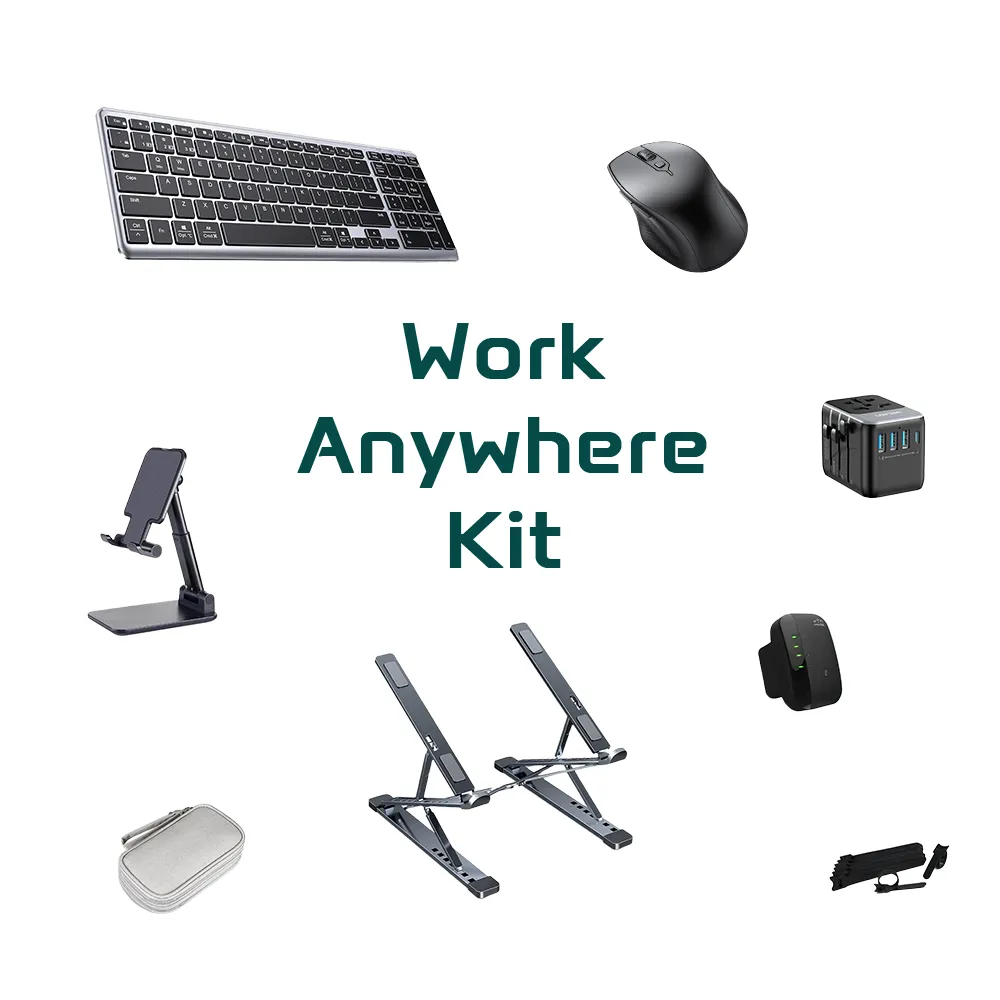
Reliable connectivity is the foundation of any legal remote work arrangement. Without stable internet, you cannot fulfill employment obligations or maintain the professional standards required by your visa. A portable Wi-Fi router ensures you have a dedicated connection independent of local café or hotel infrastructure, which is often unreliable or shared with many users.


As an Amazon Associate, we may earn from qualifying purchases.
Your workspace setup must also prioritize physical health and data security. An ergonomic laptop stand prevents strain during long workdays, while noise-canceling headphones create a necessary barrier against the distractions of shared living spaces or public areas. These tools are not luxuries; they are operational necessities that protect your productivity and your legal standing as a remote employee.
Digital Nomad Visa Application Checklist
Preparing a digital nomad visa application requires precision. Immigration authorities review these files for strict compliance, and missing a single document can delay your stay by months or lead to rejection. This checklist outlines the essential workflow to ensure your submission is complete and accurate.
Gather official proof of stable remote income. Requirements vary significantly by country, ranging from $750 per month in Colombia to over $6,667 per month in Thailand. Provide recent bank statements, employment contracts, or client invoices that clearly demonstrate this financial stability.

Most nations mandate comprehensive health insurance that covers the entire duration of your intended stay. Ensure the policy includes repatriation and covers pre-existing conditions if required. Obtain a printed certificate of insurance that meets the specific minimum coverage limits set by the destination country.

Collect your passport, police clearance certificates, and birth certificates. Many countries require these documents to be apostilled or notarized by a local authority before submission. Verify the expiration dates of all documents, as some visas require proof to be issued within the last three months.
Fill out the government-issued application form carefully. Inconsistencies between your form and supporting documents are a common cause of delays. Double-check all personal details, travel dates, and employment information against your passport and visa requirements.


As an Amazon Associate, we may earn from qualifying purchases.
Once all documents are gathered and verified, submit your application through the official government portal or consulate. Keep digital and physical copies of everything for your records. If you encounter issues, consult the official immigration website for the specific country you are targeting.
No comments yet. Be the first to share your thoughts!