
Why stable travel 2026 matters
Equestrian tourism is shifting from passive observation to active participation. Riders no longer just want a place to board their horses; they are seeking destinations where the trail network, local equestrian culture, and logistical infrastructure align. In 2026, the rise of AI-driven itinerary planning has lowered the barrier to entry for complex multi-leg journeys, allowing riders to plan unfamiliar stables and border crossings with greater confidence.
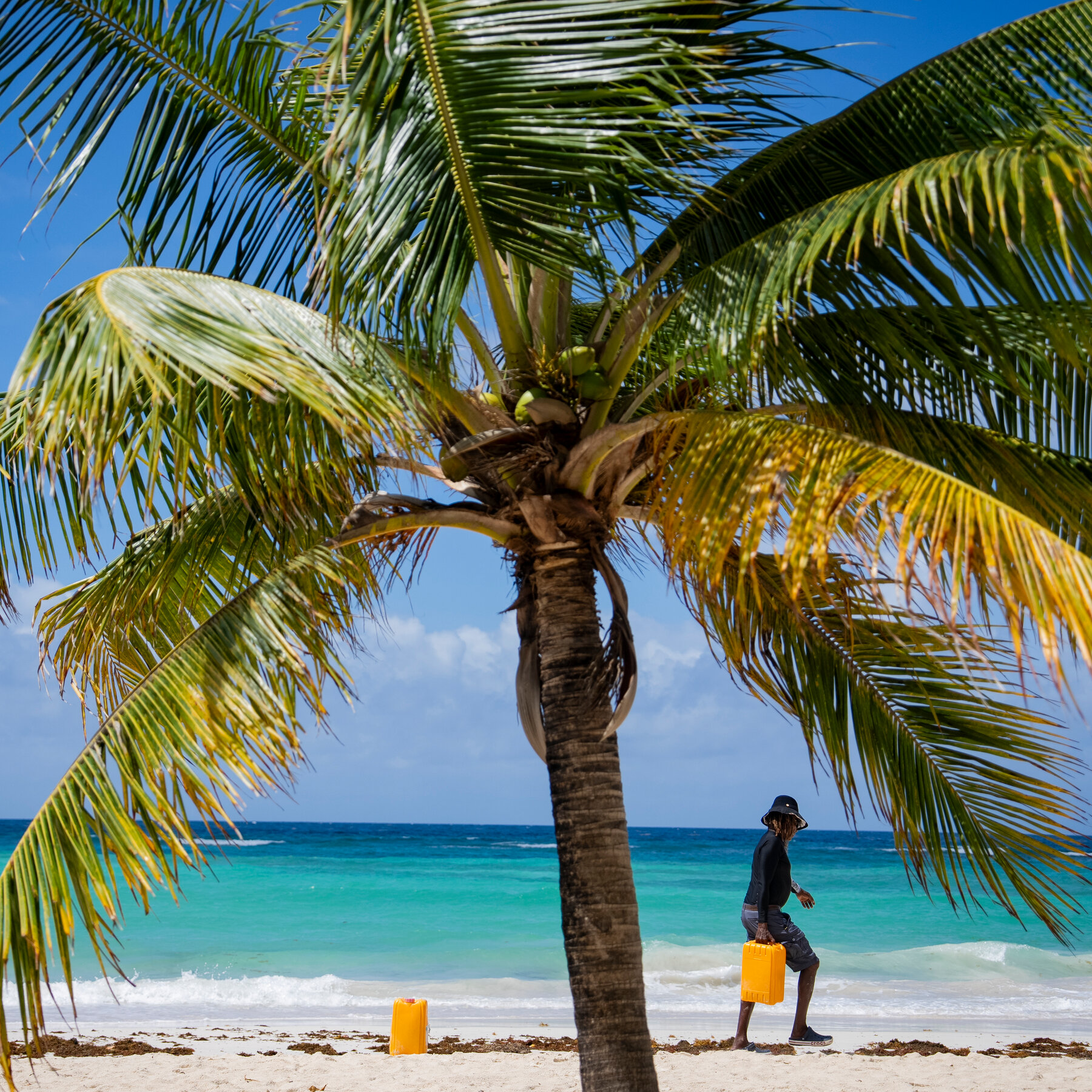
This year marks a pivot toward sustainability and tech-enabled convenience. Destinations are upgrading their facilities to meet higher welfare standards, while digital platforms streamline everything from feed sourcing to veterinary records. For the modern rider, this means less time worrying about logistics and more time in the saddle.
Whether you are planning a weekend ride in the Blue Ridge Mountains or a cross-country journey through the Patagonian steppe, the tools are now in place to make stable travel smoother, safer, and more immersive than ever before.
Where to ride in 2026
The best equestrian destinations for 2026 balance established infrastructure with fresh, less-crowded landscapes. Whether you prefer the rugged trails of Patagonia or the coastal paths of Spain, these locations offer distinct riding experiences for the coming year.
Patagonia, Argentina and Chile
Patagonia remains the premier destination for riders seeking wide-open spaces and dramatic scenery. The region offers guided trail rides through Torres del Paine and the Andes, where you can traverse glacial valleys and steppe lands. The best time to ride is during the southern summer (December to February) when the days are long and the weather is most stable. Expect challenging terrain, but also unparalleled solitude and views of ice fields. This is riding as exploration, where the trail leads you further from civilization with every mile.
The Albanian Riviera
The Albanian Riviera is emerging as a standout destination for equestrian tourism in 2026. This stretch of coastline along the Ionian Sea combines mountain trails with coastal paths. Local stables now offer multi-day trekking trips that move between villages, allowing riders to experience the country’s rapid development in tourism infrastructure. The landscape shifts from olive groves to limestone cliffs, providing a varied riding experience. It is an affordable option compared to Western European destinations, with growing numbers of English-speaking guides.
The Basque Country, Spain
For riders who prefer structured routes and cultural immersion, the Basque Country offers a unique blend. The region’s green hills and coastal cliffs provide scenic trails that connect historic towns and rural estates. Equestrian centers in provinces like Gipuzkoa and Bizkaia offer lessons and guided rides that highlight local gastronomy and heritage. The mild climate allows for year-round riding, though spring and autumn are ideal for long-distance treks. This destination appeals to those who want to combine rigorous riding with world-class food and wine.
Atacama Desert, Chile
The Atacama Desert offers a starkly different riding experience, focusing on endurance and adaptation. High-altitude trails take riders through salt flats, volcanic landscapes, and ancient riverbeds. This is not a casual trail ride; it requires preparation for altitude and dry conditions. However, the reward is riding through some of the driest places on Earth, with clear skies perfect for stargazing after sunset. Local operators provide well-trained horses and experienced guides who know how to handle the harsh terrain safely.
How to book smart stables
Booking a stable in 2026 requires more than just a credit card; it demands a hybrid approach that blends digital tools with local verification. The gap between a standard guesthouse and a true equestrian hub can be wide, and the wrong booking can leave you miles from trails or with a barn that treats horses as afterthoughts. By combining platform research with direct local contact, you secure accommodations that prioritize both rider comfort and equine welfare.
Start your search on specialized equestrian travel platforms and dedicated stable directories. These sites often filter for specific amenities like indoor arenas, cross-country courses, or farrier services. However, treat these listings as a starting point, not the final word. Cross-reference these options with general travel reviews to gauge overall hospitality standards. A stable might excel in riding but fall short on food or cleanliness. Look for mentions of "equestrian-focused" in reviews to confirm the staff understands rider needs.
Once you have a shortlist, bypass the automated booking engine and contact the stable directly via email or phone. This step is crucial for verifying current conditions. Ask specific questions about the horse’s health records, the rider-to-horse ratio, and the availability of vet services. Direct conversation also allows you to gauge the owner’s passion for their craft. A responsive, knowledgeable owner is often a better indicator of a safe experience than a polished website.
Finally, confirm all logistical details in writing before paying any deposits. Clarify cancellation policies, what equipment is provided versus what you must bring, and any additional fees for trail access or grooming lessons. For international bookings, check if the stable assists with veterinary certificates or import permits. This level of due diligence ensures that your travel plans remain flexible and that your horse’s well-being is the top priority from the moment you arrive.
Use equestrian-specific travel sites to filter for amenities like indoor arenas or cross-country courses. Cross-reference these with general travel reviews to check overall hospitality and dining quality.
Email or call the owner to verify current conditions. Ask about horse health records, rider-to-horse ratios, and vet availability. Direct conversation reveals the owner’s expertise and passion.
Get all details in writing before paying. Clarify cancellation policies, equipment rentals, and trail fees. For international trips, confirm assistance with veterinary certificates or import permits.
Planning your riding route
Building a successful equestrian itinerary requires more than just booking stables; it demands a logistical backbone that prioritizes the horse’s welfare above all else. Treat your route like a relay race, not a sprint. Each leg must be short enough to prevent fatigue, with ample time for hydration, cooling down, and checking tack for any signs of chafing or wear.
Start by mapping out your daily mileage against your horse’s fitness level and the terrain. A 20-mile day on flat, packed dirt trails is vastly different from a 20-mile day over rocky, uneven mountain paths. Factor in rest days every three to four days to allow for muscle recovery and to inspect hooves and skin for any hidden issues.
Timing is equally critical. Plan your travel legs during the cooler parts of the day, especially in warmer climates like Tulum or Cape Town, to avoid heat stress. Coordinate stable arrivals and departures well in advance, as popular equestrian hubs fill up quickly. Always have a backup plan for weather delays or unexpected trail closures.
Frequently asked questions about equestrian travel
Planning a riding trip requires careful logistical preparation. Riders need to know which destinations offer reliable infrastructure, reasonable costs, and safe trail conditions. Here are the most common questions about equestrian travel for 2026.
No comments yet. Be the first to share your thoughts!