
Plan the route
The Stable Travel works best as a clear sequence: define the constraint, compare the realistic options, test the tradeoff, and choose the path with the fewest hidden costs. That order keeps the advice usable instead of decorative. After each step, pause long enough to check whether the recommendation still fits the reader's actual situation. If it depends on perfect timing, unusual access, or a best-case budget, include a simpler fallback.
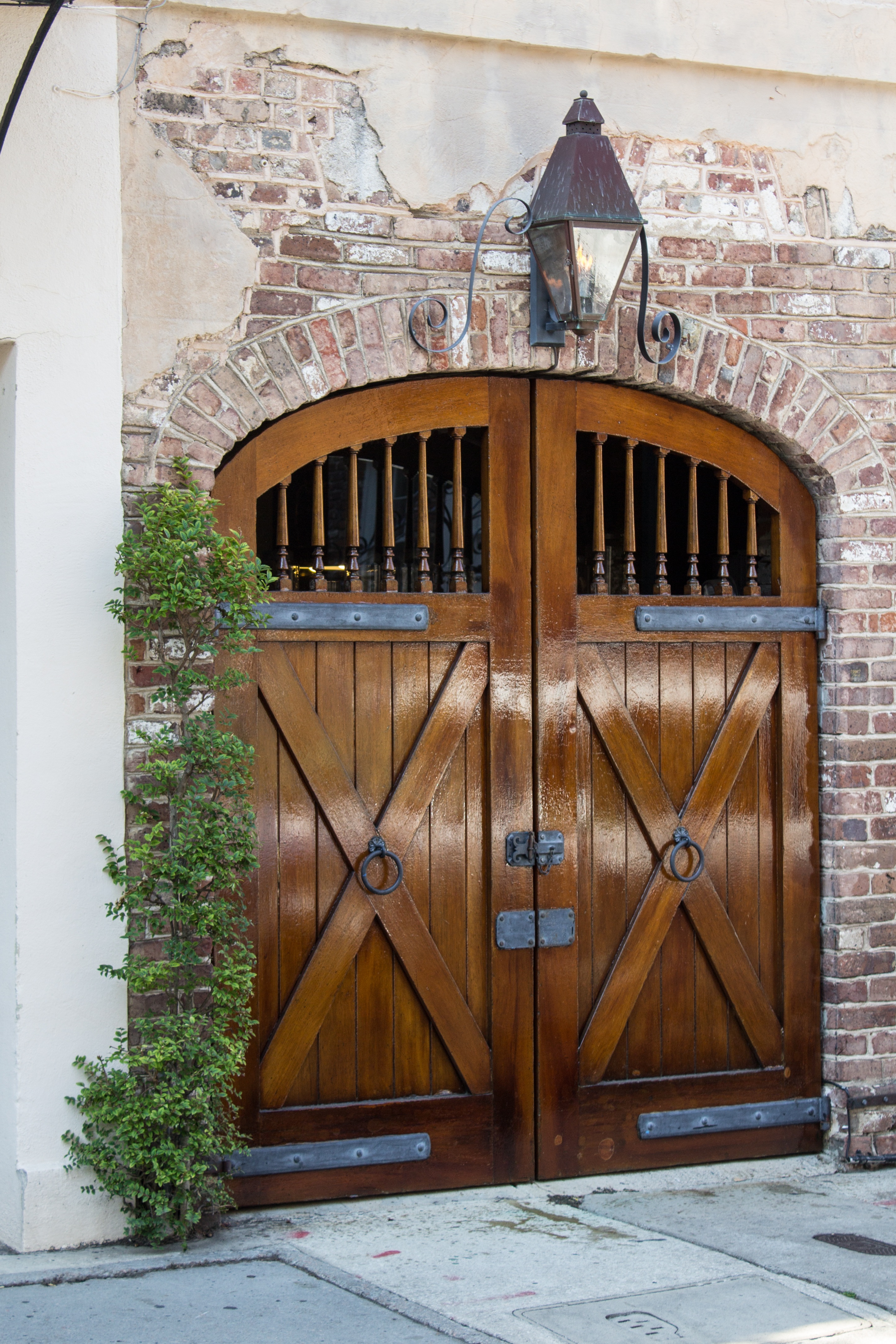
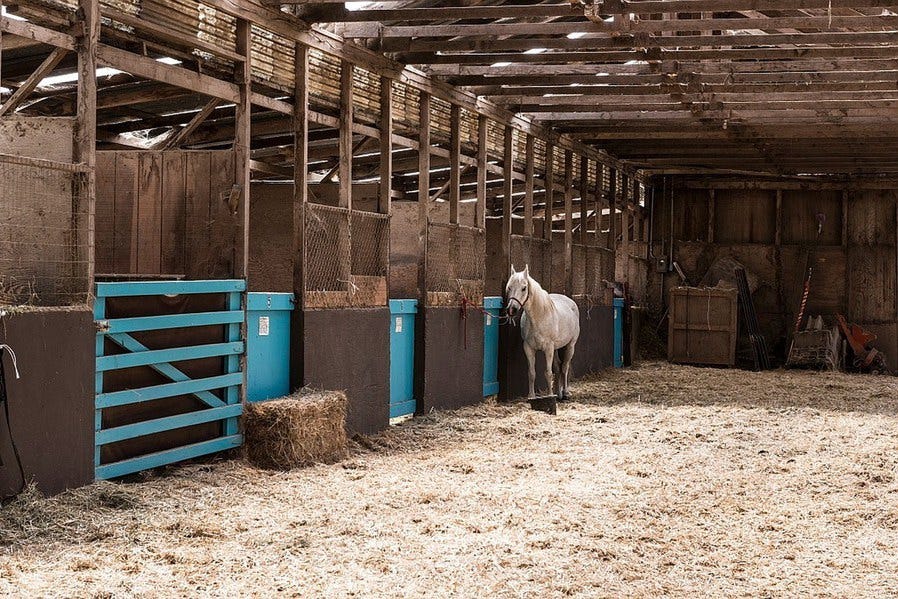
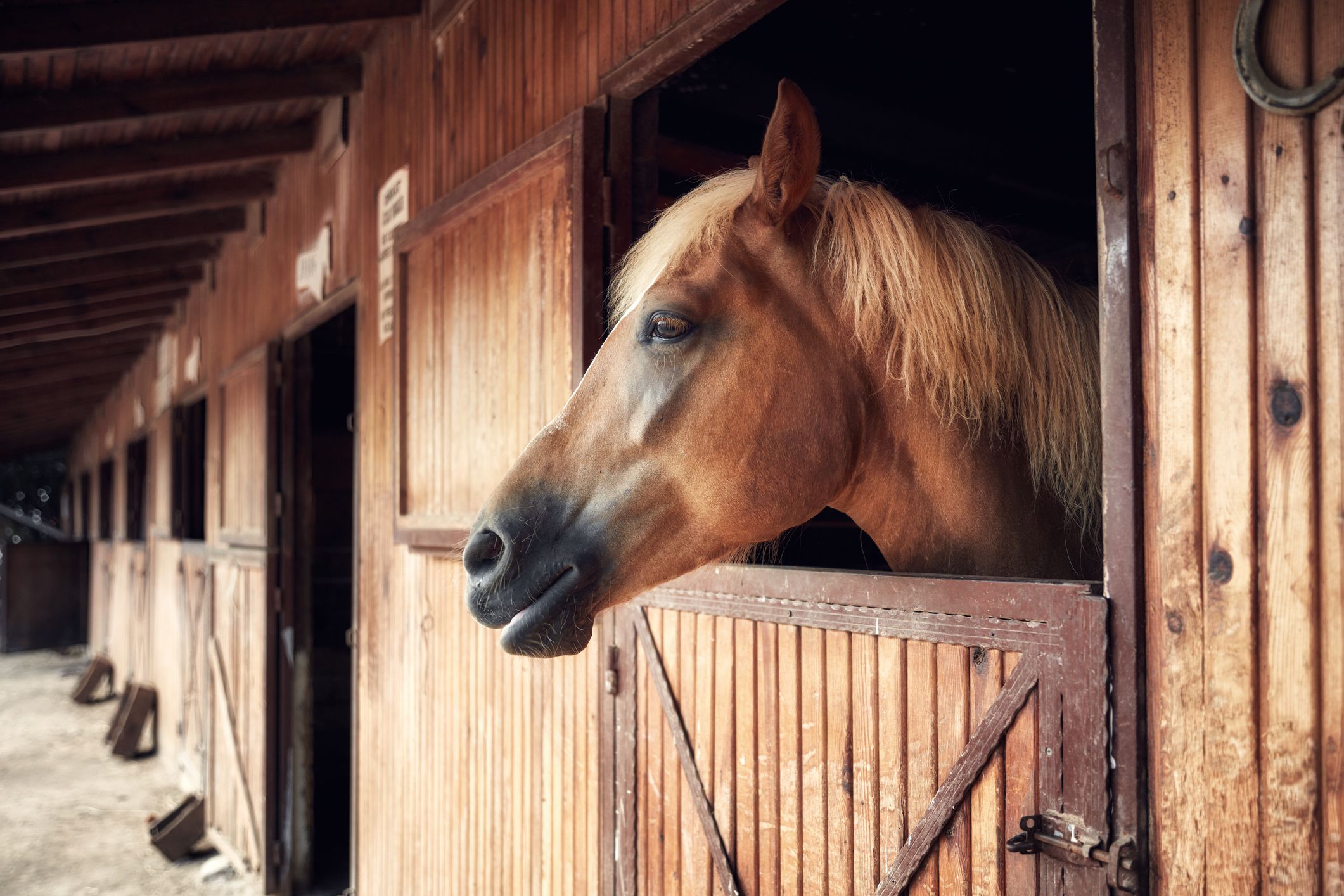
Stops Worth Prioritizing
Choosing where to park your horse requires balancing trail access with boarding quality. The following destinations offer the strongest combination of equestrian infrastructure and scenic riding. Prioritize these locations for your primary itinerary, as they provide dedicated facilities and established riding communities.
Stable accommodations in these regions often fill months in advance during peak season. Booking early secures better rates and ensures your horse has access to appropriate turnout and veterinary care. The following list separates essential stops from optional detours that may not justify the travel time.
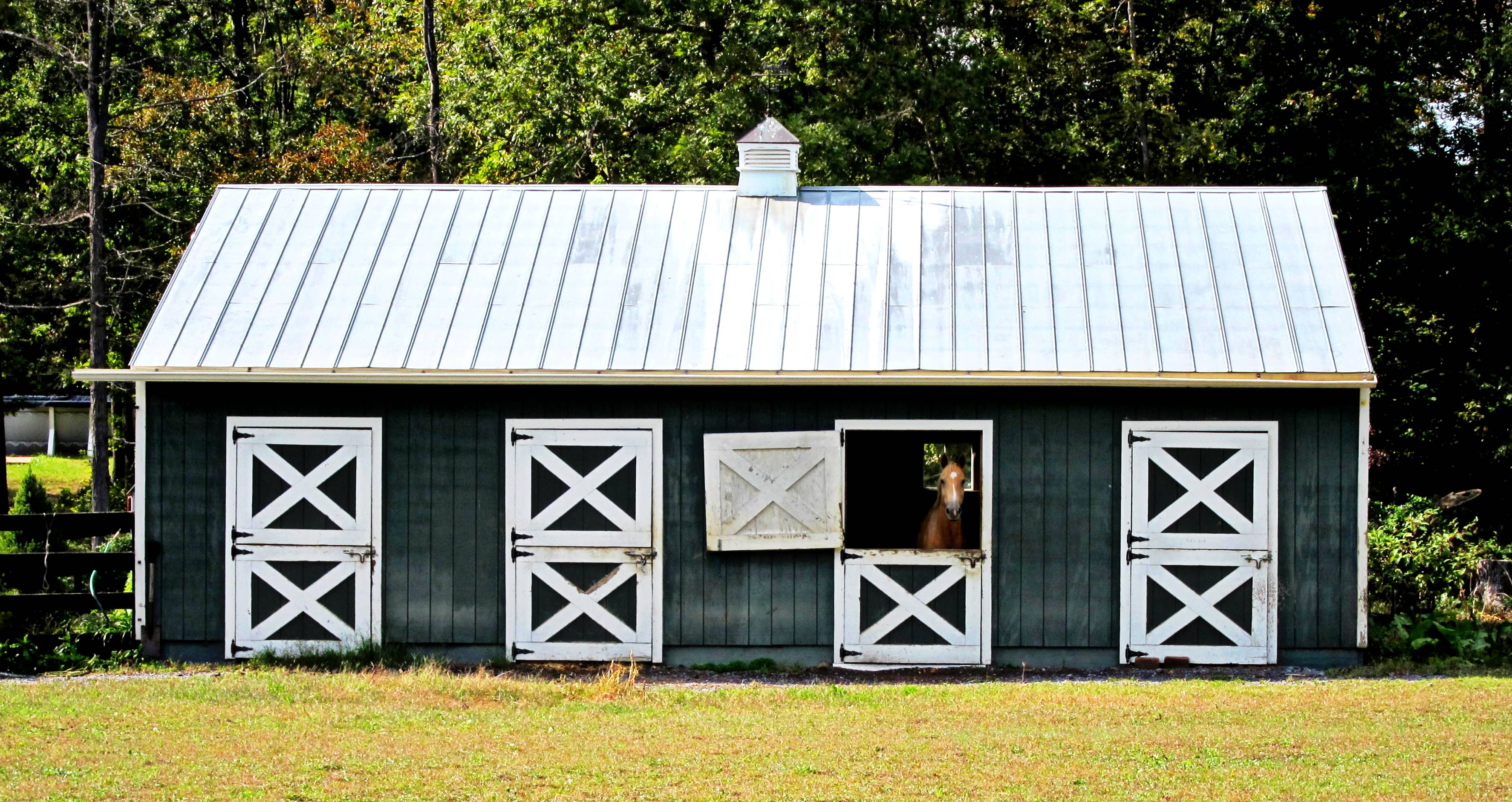
Must-See Stops
Bluegrass, Kentucky The heart of American thoroughbred culture offers world-class barns and rolling green pastures. Riders can access extensive private trail systems and local equestrian events. Boarding here is expensive but provides unmatched stability and professional care for high-maintenance horses.
Scottish Highlands, Scotland Remote and rugged, this region provides pristine trails with minimal traffic. The landscape demands a sure-footed horse, but the scenery rewards experienced riders. Limited veterinary services mean you must self-sufficient or arrange for mobile vet visits in advance.
Tuscany, Italy Cypress-lined trails and historic villa barns create a unique riding experience. The region offers excellent trail networks through vineyards and olive groves. Summer heat requires careful scheduling of rides to early morning or late afternoon to prevent horse fatigue.
Optional Detours
Sonoma County, California Beautiful coastal trails and wine country views make this a pleasant stop. However, fire risk in late summer can lead to sudden trail closures. Check local air quality and fire restrictions before planning extended stays or trail rides.
Lake District, England Scenic lakes and fells offer stunning views for riding. The terrain is steep and rocky, suitable only for experienced horses and riders. Weather changes rapidly, so waterproof gear and flexible scheduling are essential for safety and comfort.
| Destination | Trail Quality | Boarding Cost | Best Season |
|---|---|---|---|
| Bluegrass, Kentucky | Excellent | High | Spring, Fall |
| Scottish Highlands | Rugged | Medium | May, September |
| Tuscany, Italy | Scenic | Medium-High | April, October |
| Sonoma County, CA | Good | Medium | Spring, Fall |
| Lake District, UK | Steep | Medium | June, August |
Timing and logistics
Stable travel is less about the destination and more about the rhythm of the horses. Unlike a standard hotel stay, you are coordinating with living animals that have strict dietary and exercise needs. The margin for error is small, and the logistics are significantly more complex. Planning your route requires looking beyond the resort amenities to understand the local infrastructure supporting equestrian activities.
Parking and transit
Most equestrian resorts in the US and Europe offer dedicated horse trailer parking, but these spots are limited and often located far from the main lodge. Arriving late in the day can mean navigating dark, unpaved lots with steep inclines. Always call ahead to confirm the weight limits and turning radius of your designated parking area. If you are staying in urban-adjacent areas, public transit is rarely an option for horses, so budget for private car services or rental trucks equipped with ramps.
Reservations and timing limits to account for
Boarding a horse is not like checking into a hotel; it is a medical and logistical operation. You must reserve stalls at least two weeks in advance, especially during peak seasons like spring and autumn. Many top-tier resorts require a veterinary health certificate and proof of negative Coggins tests within the last six months. Some facilities also mandate that horses be acclimated to the local environment for 24 hours before competing or riding, which can disrupt tight itineraries. Build buffer days into your schedule for these mandatory quarantine or acclimation periods.
Local caveats
Weather and terrain dictate your daily schedule more than your personal preference. In regions prone to summer heat, riding is often restricted to early morning or late evening hours. Conversely, winter months may bring muddy trails that close certain paths entirely. Always check the local equestrian center’s daily bulletin for trail closures due to fire risk, flooding, or maintenance. Being flexible with your ride times ensures you do not waste precious vacation days stuck in the barn waiting for conditions to improve.
Stable travel 2026: what to check next
Planning a stable stay requires more than just booking a barn; it involves coordinating logistics for both you and your horse. Here are the most common practical concerns for equestrian travelers in 2026.
Always confirm specific facility rules directly with the resort before finalizing your itinerary, as policies can change seasonally.
No comments yet. Be the first to share your thoughts!