
Why stable travel matters in 2026
The travel landscape is shifting. In 2026, long-haul intentions have softened as financial and time constraints push travelers toward domestic and short-haul trips. This caution has created a specific opening for horse-centric tourism, where the pace is slower and the logistics are more manageable. Travelers are no longer chasing distant, high-stress itineraries; they are seeking reliable, grounded experiences close to home.
Stable travel 2026 defines this niche. It prioritizes destinations where horse care, boarding, and trail access are dependable. Instead of navigating complex international regulations or unpredictable infrastructure, riders focus on flexibility and safety. This approach reduces the anxiety often associated with transporting horses across borders, allowing the trip to center on the bond with the animal and the local terrain.
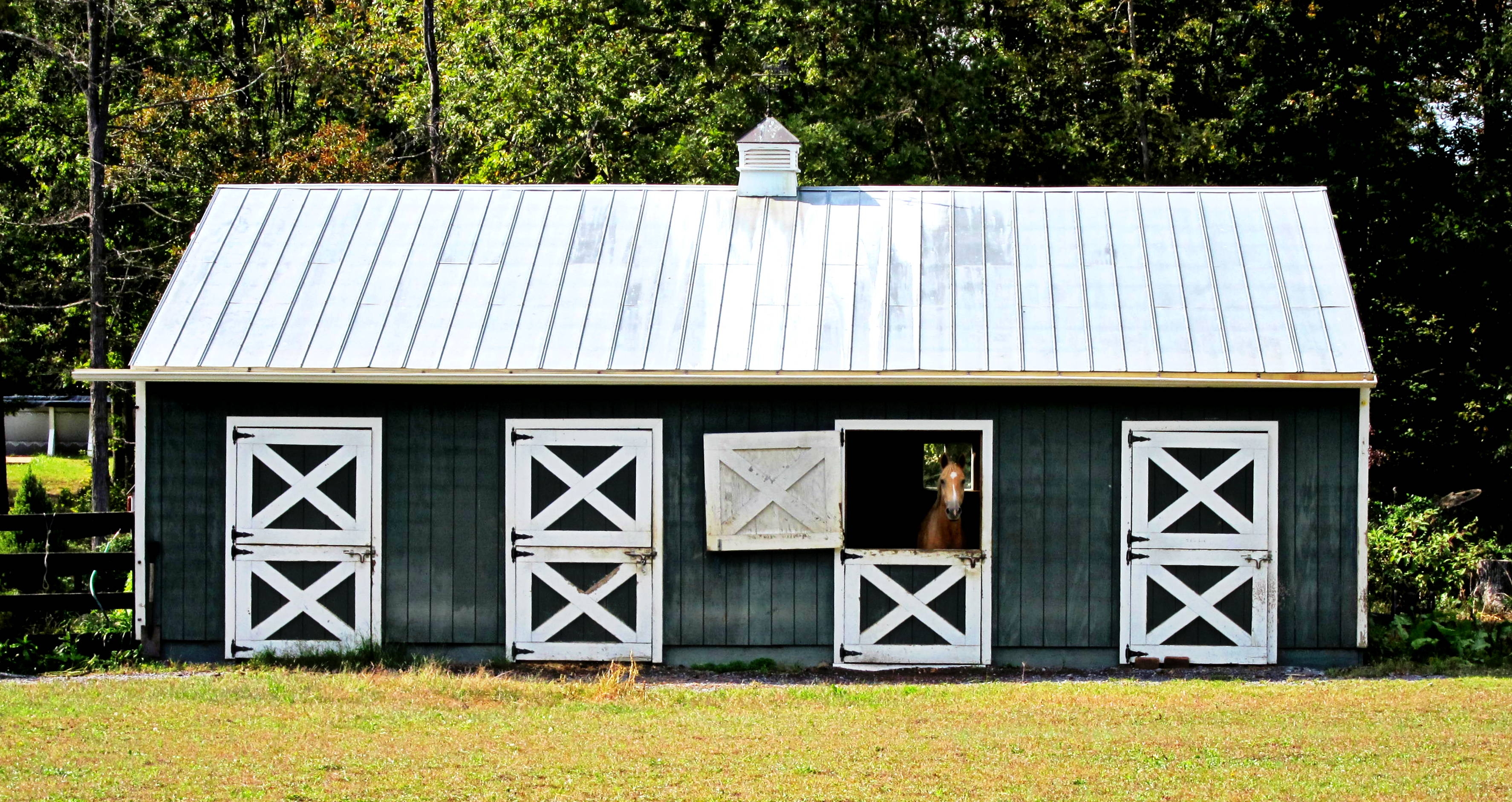
This trend doesn't mean sacrificing adventure. It means redefining it. A well-planned regional trail ride or a weekend stay at a reputable boarding facility offers the same sense of escape as a cross-country journey, but with far fewer variables to manage. By focusing on stable, horse-friendly infrastructure, travelers can enjoy the freedom of the road without the logistical heavy lifting.
Top stable stay destinations for 2026
Stable travel 2026 is defined by destinations where equestrian infrastructure meets genuine hospitality. The best stays offer more than just a stall; they provide a complete ecosystem for horse and rider, from climate-controlled footing to on-site veterinary support and secure transport logistics. For 2026, we’ve selected regions that excel in both horse care standards and rider amenities.
Kentucky Bluegrass Region
Kentucky remains the undisputed heart of American equine culture. The Bluegrass region offers unparalleled access to world-class training centers and historic farms. Stays here range from luxury boutique hotels near Lexington to private ranch rentals with full-service barns. The climate in spring and fall is ideal for travel, with moderate temperatures keeping horses comfortable during transit and training. Visitors can easily combine a stay with visits to the Kentucky Horse Park or private farm tours, making it a hub for both leisure and serious equestrian work.
Wellington, Florida
Wellington is the winter capital for show jumping and hunter/jumper disciplines. The town is built around the Palm Beach International Equestrian Center (PBIEC), and the surrounding area offers numerous horse-friendly resorts and private estates. Accommodations here are designed for the competitive circuit, featuring large stalls, wash racks, and direct access to arenas. The dry winter climate reduces mud-related hoof issues, a significant benefit for horses traveling from wetter regions. It is a high-energy destination, best suited for riders participating in or closely following the winter show season.
The Hamptons, New York
For those seeking a blend of high-end lifestyle and equestrian tradition, the Hamptons offer a unique stable travel experience. Long Island’s North Fork and East End have a dense concentration of private stables and equestrian estates. The area is particularly popular in the summer months, with many properties offering temporary boarding for visiting horses. The infrastructure is robust, with easy access to New York City for riders who need to combine business with pleasure. Accommodations often include private arenas and professional trainers available for hire, ensuring a seamless experience for high-net-worth travelers.
Aachen, Germany
Aachen is the global capital for equestrian sport, hosting the prestigious CHIO Aachen every summer. The city and surrounding Rhineland region have a deep-rooted horse culture that extends far beyond the show ring. Visitors find excellent equestrian hotels and private rentals with high-standard barn facilities. The German approach to horse care is rigorous, with strict veterinary and hygiene protocols that appeal to professional competitors. The city’s central European location makes it easily accessible by train or car from across the continent, and the surrounding countryside offers miles of safe, scenic riding trails.
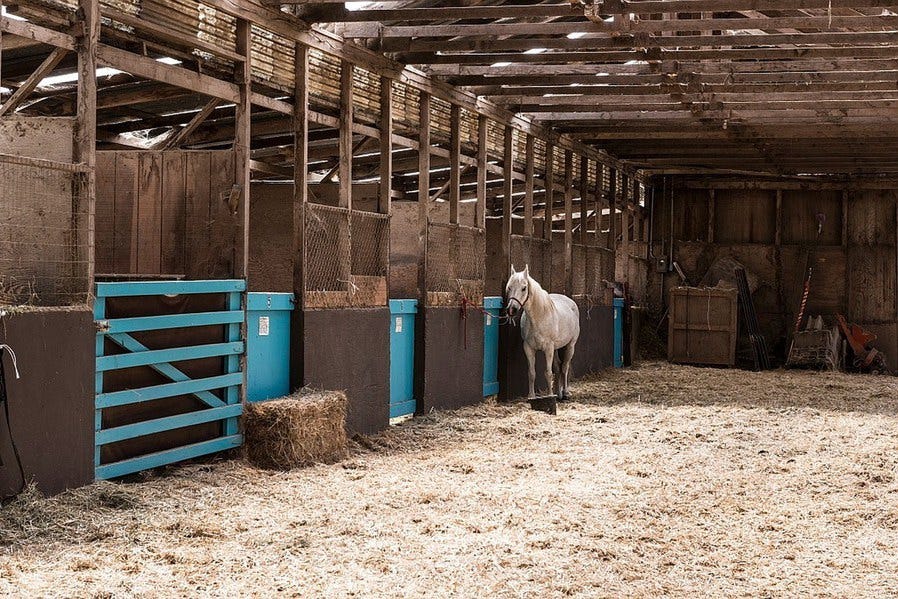
Choosing horse-friendly hotels and stables
When planning your stable travel 2026 itinerary, the quality of your horse's accommodation matters as much as the trail routes you intend to ride. Not all "pet-friendly" hotels extend that courtesy to equines. You need a venue that offers more than just a fenced yard; it requires proper stabling, reliable feed, and immediate access to veterinary care.
The difference between a standard hotel and a true horse-friendly facility is often found in the details. Standard accommodations may lack the structural integrity for heavy tack, proper ventilation for dust-sensitive animals, or the space needed for a horse to move freely after a long journey. Selecting the right place ensures your horse remains comfortable and healthy, allowing you to focus on the ride rather than managing stress or potential health issues.
To help you evaluate options, compare the core features of horse-friendly hotels against traditional accommodations. This comparison highlights why specialized facilities are essential for a successful trip.
| Feature | Horse-Friendly Hotel | Traditional Hotel |
|---|---|---|
| Stabling | Secure, individual stalls with bedding | None or shared outdoor pens |
| Feed & Water | High-quality hay, grain, and clean water provided | Guest must bring own feed |
| Vet Access | Close proximity to equine vet services | Distant or no equine specialists |
| Outdoor Space | Large, secure paddocks for turnout | Small, fenced yards or none |
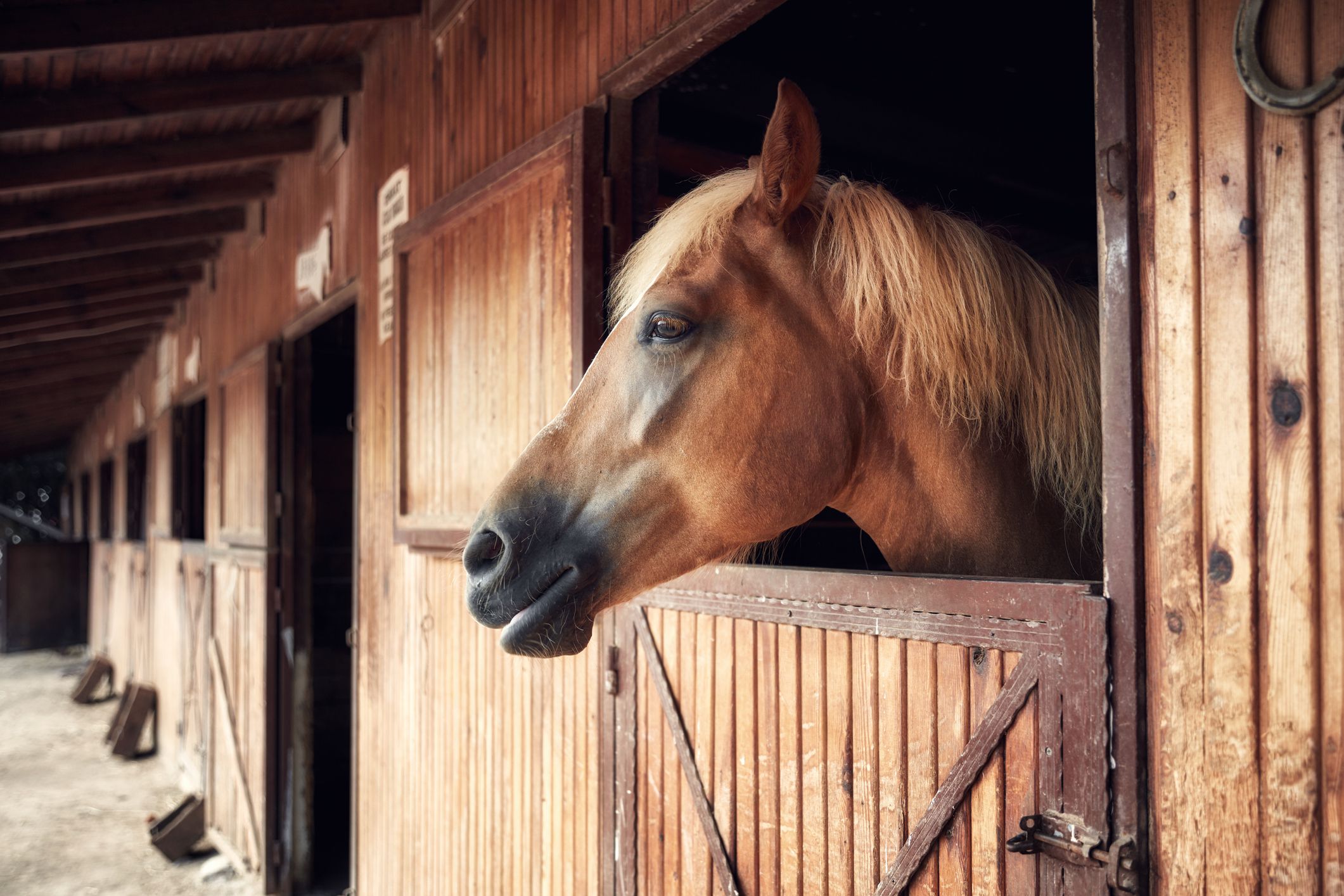
Always verify the specific amenities before booking. Ask about stall dimensions, the type of footing used in the stables, and whether the facility has experience handling horses from out of town. A venue that understands the logistics of equine travel will make your stable travel 2026 experience significantly smoother and safer.
Planning your equestrian trip logistics
Successful stable travel 2026 depends on treating your horse like a passenger with its own passport, insurance policy, and specific dietary needs. The logistics of moving a 1,200-pound animal across borders or long distances require a timeline that starts months before departure. Rushing this process is the single most common cause of denied entry or last-minute cancellations.
Map your route and check border requirements
Start by mapping the most direct route to your destination, avoiding excessively long driving times if you are transporting by truck. If you are flying, research which airlines accept equine cargo and book space early, as capacity is limited. For international travel, you must verify the specific health certificate requirements of the destination country. These rules change frequently based on disease outbreaks, so rely on official government agricultural or veterinary websites rather than general travel blogs.
Most countries require a health certificate issued by an accredited veterinarian within 10 to 30 days of travel. This document must detail current vaccinations, including rabies and tetanus, and often requires blood tests for diseases like Equine Infectious Anemia (EIA/Coggins). Start this process at least three months in advance to account for lab turnaround times and any required quarantine periods.
Equine transport slots fill up quickly during peak riding seasons. Secure your trucking company or airline cargo space as soon as your dates are fixed. Simultaneously, contact your destination stables to confirm stall availability. Ask specific questions about stall size, bedding type, and whether they offer turnout, as your horse’s comfort directly impacts its performance and health upon arrival.
Standard travel insurance rarely covers veterinary emergencies for animals. Purchase a dedicated equine travel insurance policy that covers medical treatment, euthanasia, and repatriation costs. Verify that the policy covers the specific risks of your mode of transport, whether that is a long-haul flight or a cross-country truck ride. Keep digital and physical copies of your policy and your horse’s medical records in your carry-on luggage.
Manage timing and budget for 2026
Travel costs in 2026 are expected to remain elevated due to fuel prices and increased demand for premium equine services. Budget for unexpected expenses, such as extra days of boarding if flights are delayed or if your horse requires additional recovery time. Avoid traveling during major local holidays or peak tourist seasons in your destination, as this drives up prices for both human and equine accommodations.
Pre-trip checklist
Use this checklist to ensure nothing is missed before loading the trailer or checking in at the airport.
-
Health certificate issued within required timeframe
-
All vaccinations up to date and documented
-
Equine travel insurance policy secured and printed
-
Transport company booked and confirmed
-
Destination stable stall reserved and details confirmed
-
Emergency vet contacts at destination obtained
-
Horse’s feed and supplements packed for first week
-
Copy of passport/registration documents in carry-on
Frequently asked questions about stable travel 2026
Planning a trip with horses requires balancing general safety trends with specific equine logistics. The following questions address the most common concerns for equestrian travelers heading out in 2026.
No comments yet. Be the first to share your thoughts!