
Get stable travel 2026 right
Stable travel 2026 isn’t about finding the cheapest flight; it’s about building a trip that survives price spikes and AI-generated itinerary errors. Before you book, you need a baseline of verified data and a flexible framework. Inflation is reshaping costs in real time, and AI trip planners can hallucinate closed attractions or outdated visa rules.
Start by anchoring your budget to current, verified rates rather than last year’s averages. Check direct hotel and airline pricing, not just aggregator summaries. Verify visa requirements for every country on your list using official government portals, not third-party blogs. Eco-visas and sustainability fees are becoming common in Europe and South America; missing these can add unexpected costs at the border.
Finally, test your AI-planned itinerary against reality. Cross-check opening hours, seasonal closures, and transit connectivity. If an AI tool suggests a “hidden gem” that requires a private guide or a $200 entry fee, it’s likely outdated. Stability comes from verification, not just low prices.
How to plan stable travel for 2026
Inflation and shifting visa policies make last-minute bookings risky. You need a methodical approach to lock in rates and secure entry documents before prices spike. This process focuses on three core actions: verifying entry requirements, locking in flexible rates, and packing for resilience.

Many countries are introducing "eco-visas" or digital entry portals in 2026. Start by checking the official government travel site for your destination. Do not rely on third-party summaries, as rules change weekly. Look specifically for new digital nomad or eco-tourism visa categories that offer tax breaks or faster processing. If your home country has a reciprocal agreement, note the expiration date of your current passport. Apply for any required visas at least six weeks before your trip to avoid rush fees.

Inflation drives dynamic pricing. Use AI trip planners to compare rates across multiple platforms, but always book through the provider’s official site for better support. Look for "free cancellation" or "pay later" options. This flexibility is your buffer against sudden price hikes or policy changes. If you find a good rate, book it immediately and set a calendar reminder to re-check prices monthly. If prices drop, you can often rebook and keep the difference as a credit.
Stable travel means minimizing unexpected costs. Pack a reusable water filtration bottle to avoid buying plastic bottles. Bring a universal power adapter with surge protection, as outlets vary widely. Include a basic first-aid kit and any prescription medications in your carry-on. This reduces reliance on expensive local pharmacies and ensures you stay healthy without disrupting your itinerary. Avoid overpacking; checked bag fees are a major inflation-driven cost.
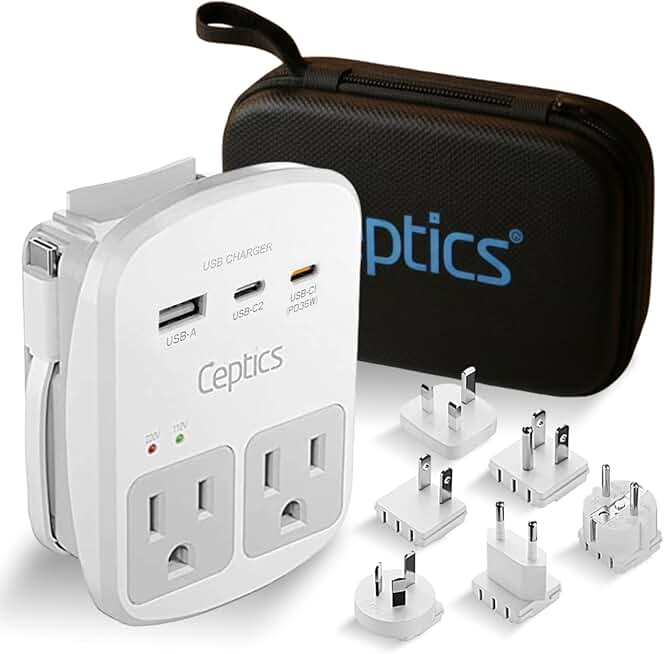


As an Amazon Associate, we may earn from qualifying purchases.
Common Mistakes That Sink Your Budget
Most travelers blow their budgets not because they underestimate costs, but because they ignore the hidden fees and rigid plans that inflation has amplified. In 2026, the margin for error is smaller. A single oversight—like booking a non-refundable flight during a volatile economic period or ignoring visa processing delays—can turn a manageable trip into a financial crisis. Avoid these pitfalls to keep your travel plans stable and affordable.
Booking Non-Refundable Flights Too Early
The biggest mistake is locking in airfare months in advance without considering the current economic climate. With inflation fluctuating and travel demand shifting, prices can drop or surge unexpectedly. If you book a non-refundable ticket and your plans change, you lose the entire amount. Instead, choose flexible fares or wait until prices stabilize closer to your departure date. This small delay can save hundreds of dollars if trends shift.
Ignoring Visa and Entry Requirements
Another common error is assuming entry requirements remain static. Many countries have introduced "eco-visas" or stricter digital nomad visas with new financial proof requirements. Failing to check these updates can lead to denied boarding or entry. Always verify the latest visa rules for your destination at least three months before travel. This isn't just bureaucracy; it's a critical cost safeguard.
Underestimating Daily Costs
Travelers often budget for flights and hotels but forget about daily expenses like meals, transport, and activities. Inflation has hit these sectors hard. A realistic daily budget should include a 10-15% buffer for unexpected costs. Use AI trip planners not just for routes, but to simulate daily spending based on current local prices. This prevents the "surprise bill" effect that derails many budgets.
Relying on Single Payment Methods
Using only one credit card or currency exposes you to foreign transaction fees and potential card declines abroad. Always carry a secondary payment method, such as a no-foreign-fee debit card or local currency cash for small vendors. This redundancy ensures you can always pay for essentials, even if your primary method fails.
Stable travel 2026: what to check next
Stable travel in 2026 requires balancing budget constraints with safety and flexibility. Here are answers to the most common practical objections travelers face this year.
No comments yet. Be the first to share your thoughts!