
Why 2026 favors slow equestrian travel
The travel landscape is shifting away from high-volume tourism toward immersive, slow travel experiences. In 2026, riders are prioritizing fewer destinations for longer stays, allowing for deeper engagement with local equestrian cultures and trail systems. This shift aligns perfectly with the nature of horseback riding, which requires time to acclimate to new environments, horses, and terrain.
This trend reflects a broader desire for authentic connection over checklist tourism. Riders are less interested in rushing through multiple countries and more focused on mastering a single region’s trails and stable facilities. The result is a more relaxed pace that benefits both horse and rider, reducing stress and enhancing the overall experience.
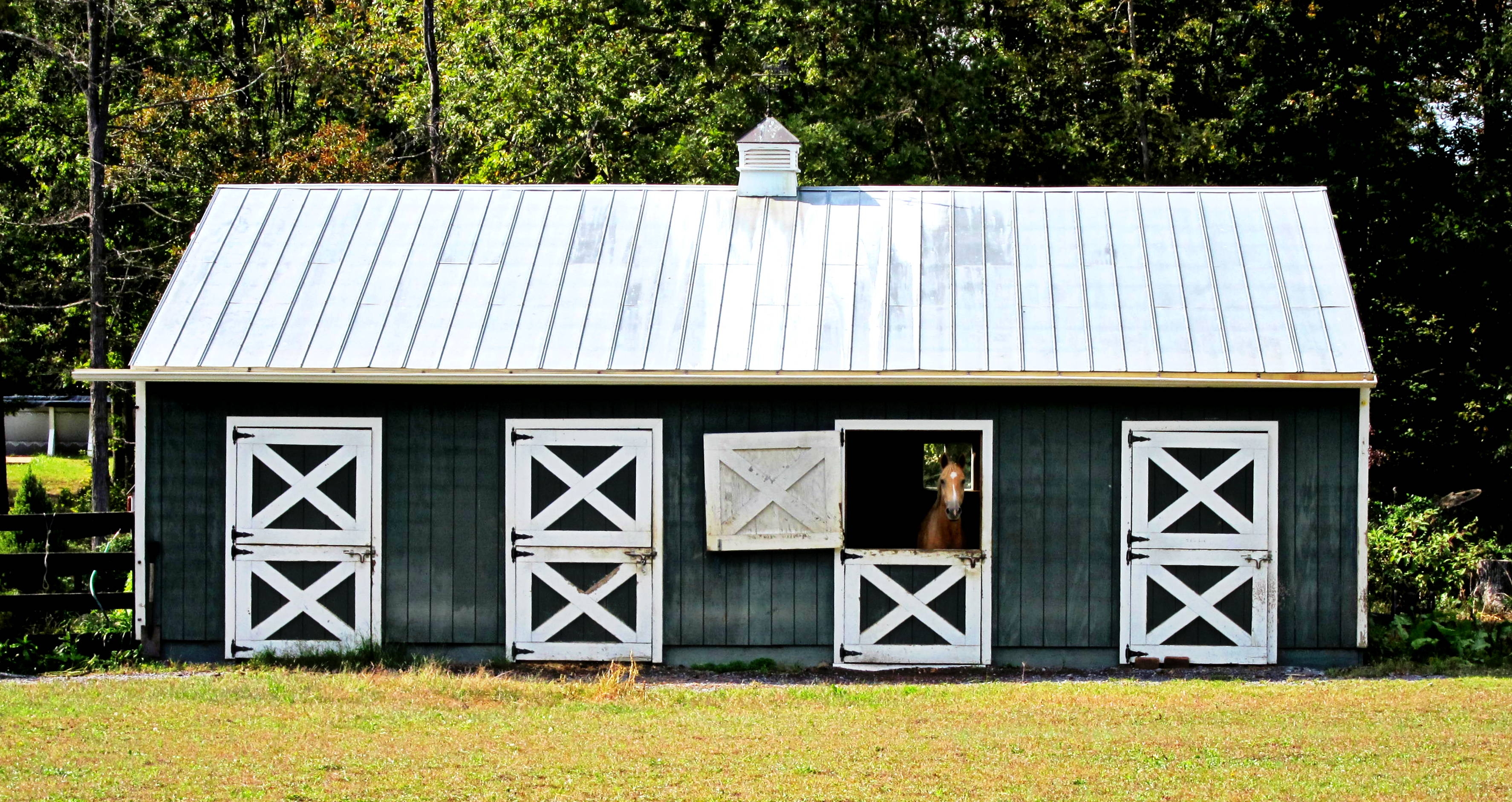
The Dolomites, Italy
The Dolomites offer a stark, dramatic backdrop for equestrian travel, where high-altitude trails wind through UNESCO-protected limestone peaks. Summer 2026 riding here requires careful planning due to the region’s verticality, but the infrastructure for stable travelers has matured significantly. Riders typically base themselves in valleys like Val Gardena or Alta Badia, where numerous stables provide secure housing and guided excursions.
Trail conditions vary sharply with elevation. Lower valley paths are well-maintained dirt tracks, while higher routes can be rocky and exposed to sudden weather changes. Most reputable stables supply helmets and weather-appropriate tack, but riders should bring sturdy boots with good grip. The terrain is rugged, demanding a horse with sure-footedness and a rider comfortable with steep ascents and descents.
Stable facilities in this region range from traditional farm stays to modern equestrian centers. Look for establishments that offer daily turnout, hay supplementation, and vet-on-call services. Booking well in advance is essential, as summer slots fill quickly with international groups. The best time to ride is July through September, when snow has cleared from the high passes but before autumn storms arrive.
North American Ranches and Lodges
North America offers a wide spectrum of equestrian travel, from full-service dude ranches in the West to horse-friendly lodges in the Pacific Northwest and Canada. These destinations cater to riders of all levels, providing everything from private trail rides to comprehensive boarding facilities for those traveling with their own horses.
Montana Ranches
Montana’s ranches are known for their vast, open landscapes and professional riding programs. Ranches like the Kipp Ranch offer structured programs with experienced wranglers who guide riders through diverse terrain, from high mountain passes to river valleys. These full-service operations typically include meals, lodging, and daily riding, making them ideal for travelers seeking an immersive, hassle-free experience. Stables are well-maintained, with secure paddocks and clean, dry stalls.
Utah Lodges
Utah’s horse-friendly lodges often blend luxury with rugged outdoor access. Properties in areas like Park City or near Moab provide easy access to public lands with scenic trails. These lodges frequently offer guided rides through red rock country or alpine meadows. For independent riders, many offer horse rentals and tack shops. The climate is generally dry, which keeps trails in good condition for much of the year, though summer heat can be intense, so early morning rides are recommended.
British Columbia Retreats
British Columbia’s equestrian retreats offer a mix of coastal and mountain riding. Ranches in regions like the Kootenays or near Whistler provide access to dense forests and high-altitude trails. These destinations often appeal to riders looking for a quieter, more secluded experience. Many lodges offer boarding for private horses, with facilities that include heated stalls and covered riding arenas to handle variable weather. The riding culture here is relaxed, with a focus on nature and tranquility.
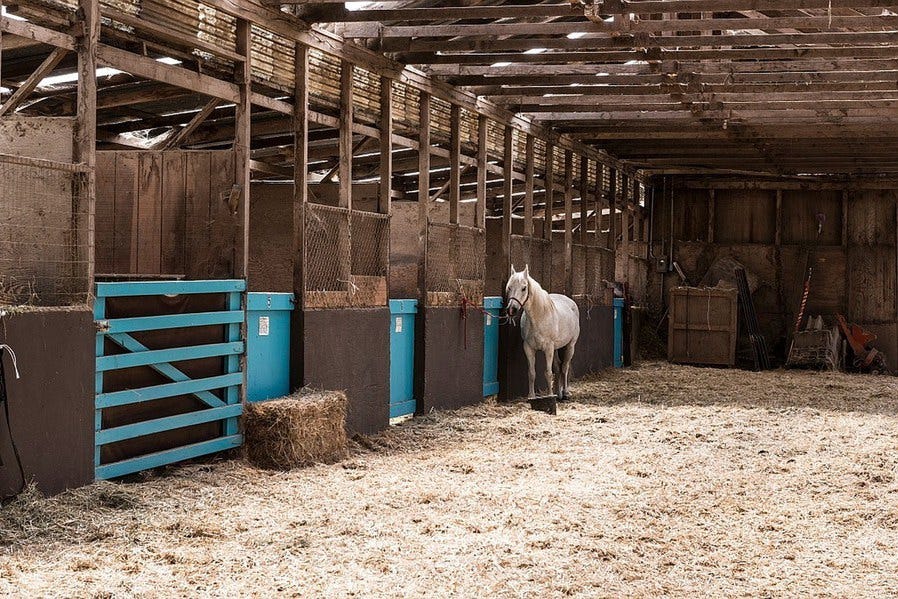
Booking tips for horse-friendly stays
Best Equestrian Retreats for Stable Travel works best as a clear sequence: define the constraint, compare the realistic options, test the tradeoff, and choose the path with the fewest hidden costs. That order keeps the advice usable instead of decorative. After each step, pause long enough to check whether the recommendation still fits the reader's actual situation. If it depends on perfect timing, unusual access, or a best-case budget, include a simpler fallback.
Summer 2026 Weather and Timing
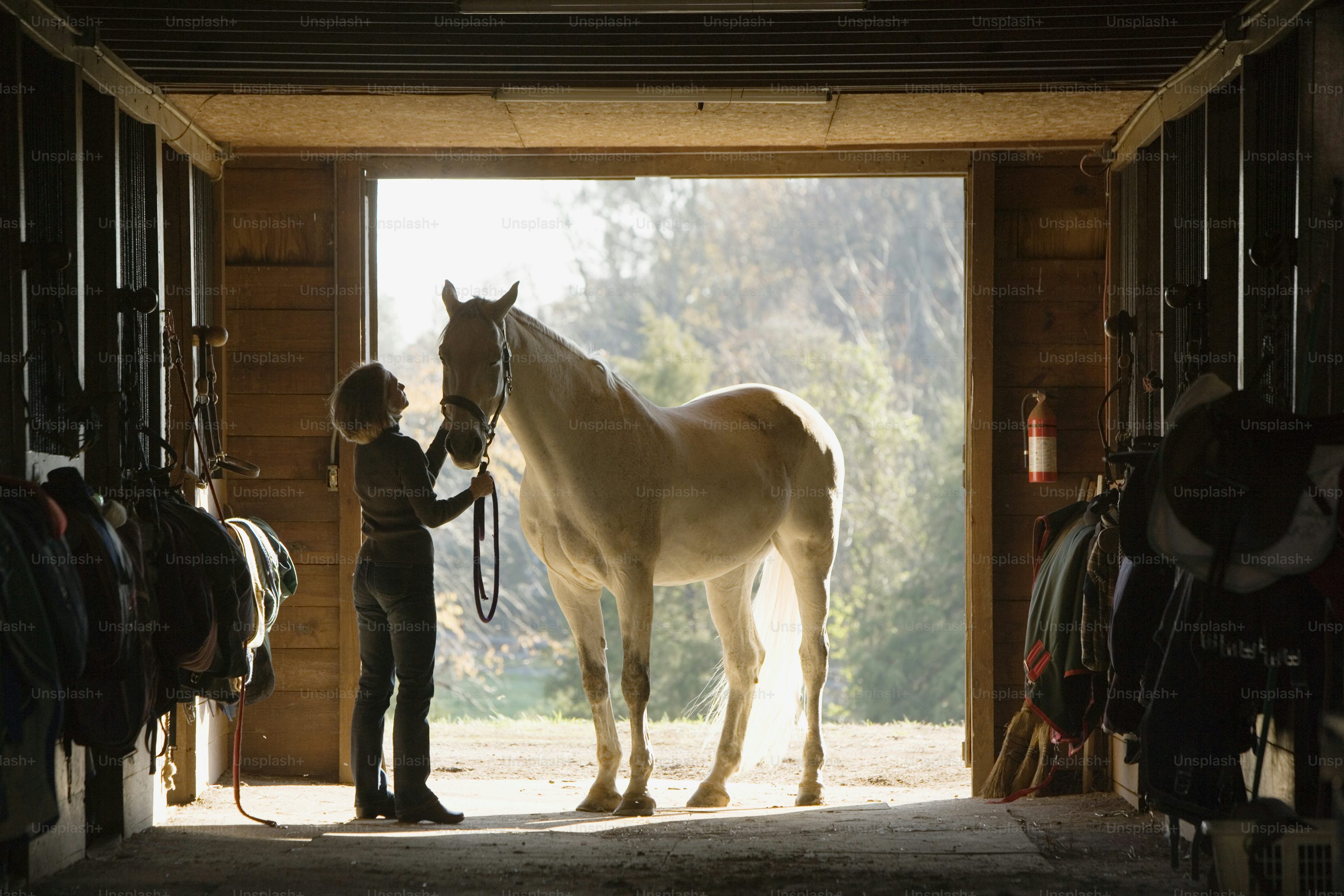
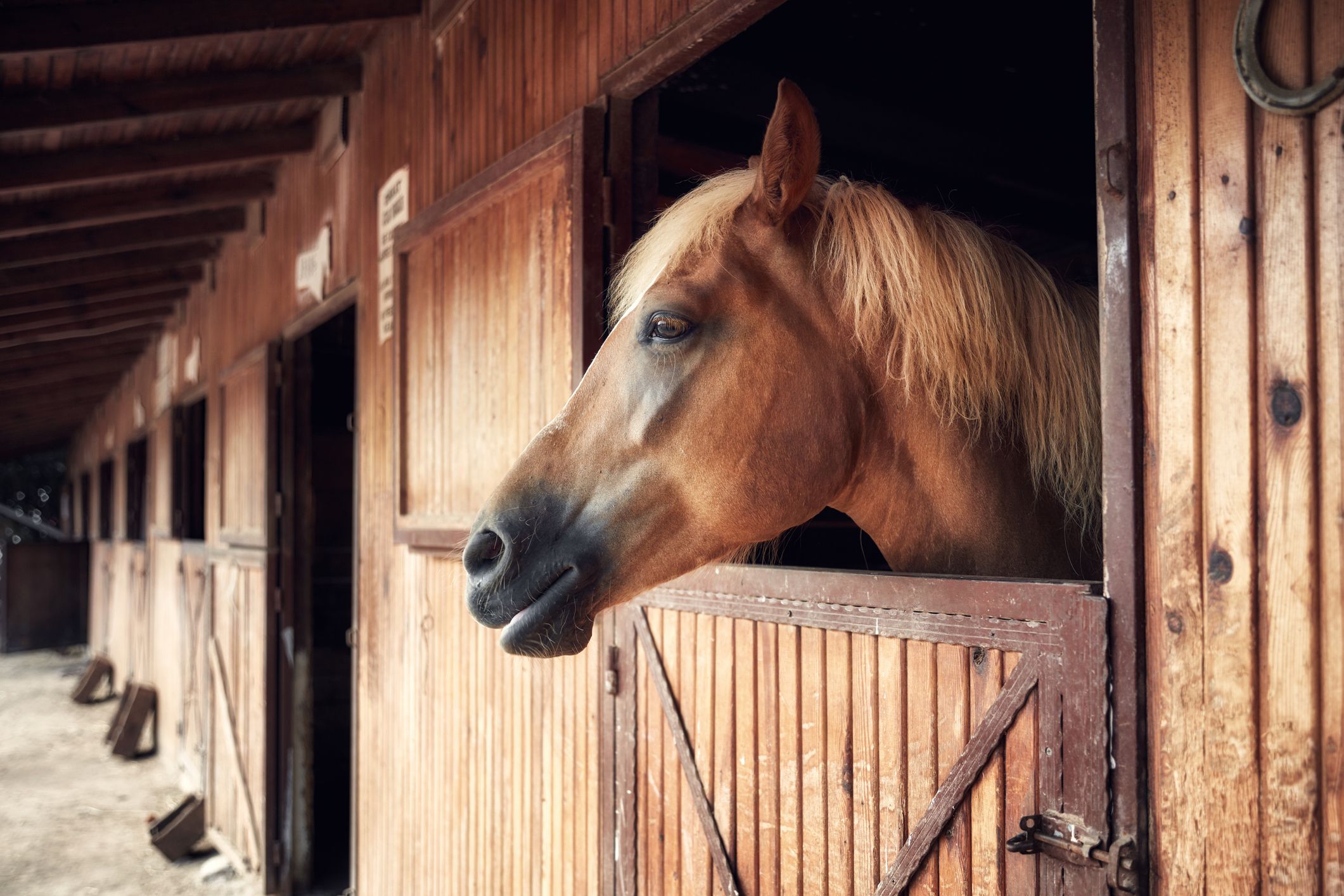
Timing is the difference between a smooth trail ride and a struggle against mud or heat. For the recommended equestrian retreats, July and August offer the most stable riding conditions in the Northern Hemisphere, but you must plan around the daily rhythm of the sun.
July 7–12, 2026 marks a prime window for many high-altitude and temperate destinations. As noted by Wild Terrains for their women-only group trips, July is chosen specifically to avoid the heavy monsoon rains of late summer in certain regions while capitalizing on dry, firm trail surfaces. This period typically offers clear skies and comfortable daytime temperatures for long rides.
August shifts the focus to early-season cooling in alpine regions and the final stretch of dry weather in Mediterranean climates. In places like the Scottish Highlands or the Dolomites, late August often provides the best balance of warm days and cool nights, reducing horse fatigue. However, always check local fire restrictions or trail closures due to drought conditions in western US destinations.
September begins to offer milder temperatures, ideal for sensitive horses. While still considered late summer, early September often sees reduced insect activity and softer ground, making it a preferred time for riders who prioritize horse comfort over peak warmth.
| Month | Riding Conditions | Best For |
|---|---|---|
| July | Dry, firm trails, warm days | High-altitude and temperate regions |
| August | Hot afternoons, cool nights | Alpine and Mediterranean climates |
| September | Mild, fewer insects | Horse comfort and sensitive riders |
Common questions about equestrian travel
Planning a horse-centric trip requires more than just booking a saddle. Riders need to navigate specific logistical hurdles, from insurance requirements to transport logistics. Here are the most frequent questions we receive from travelers preparing for stable travel in 2026.
No comments yet. Be the first to share your thoughts!