
What is a digital nomad visa?
A digital nomad visa (DNV) is a legal instrument allowing remote workers to reside in a foreign country while working for employers or clients based elsewhere. Unlike tourist visas, which prohibit local employment, or traditional work permits, which require local sponsorship, a DNV explicitly recognizes remote income as valid grounds for residency.
For 2026, this distinction ensures compliance. You are not entering the host country to compete in its local labor market but to contribute through consumption and local taxes. Countries offering these visas allow legal stays ranging from six months to two years, providing stability without immigration violations.
The regulatory baseline typically includes proof of remote employment, minimum income thresholds, and clean criminal records. While tourist visas allow short stays, they do not grant long-term residency rights. Digital nomad visas provide the legal framework to work remotely from abroad.
Top European destinations for 2026
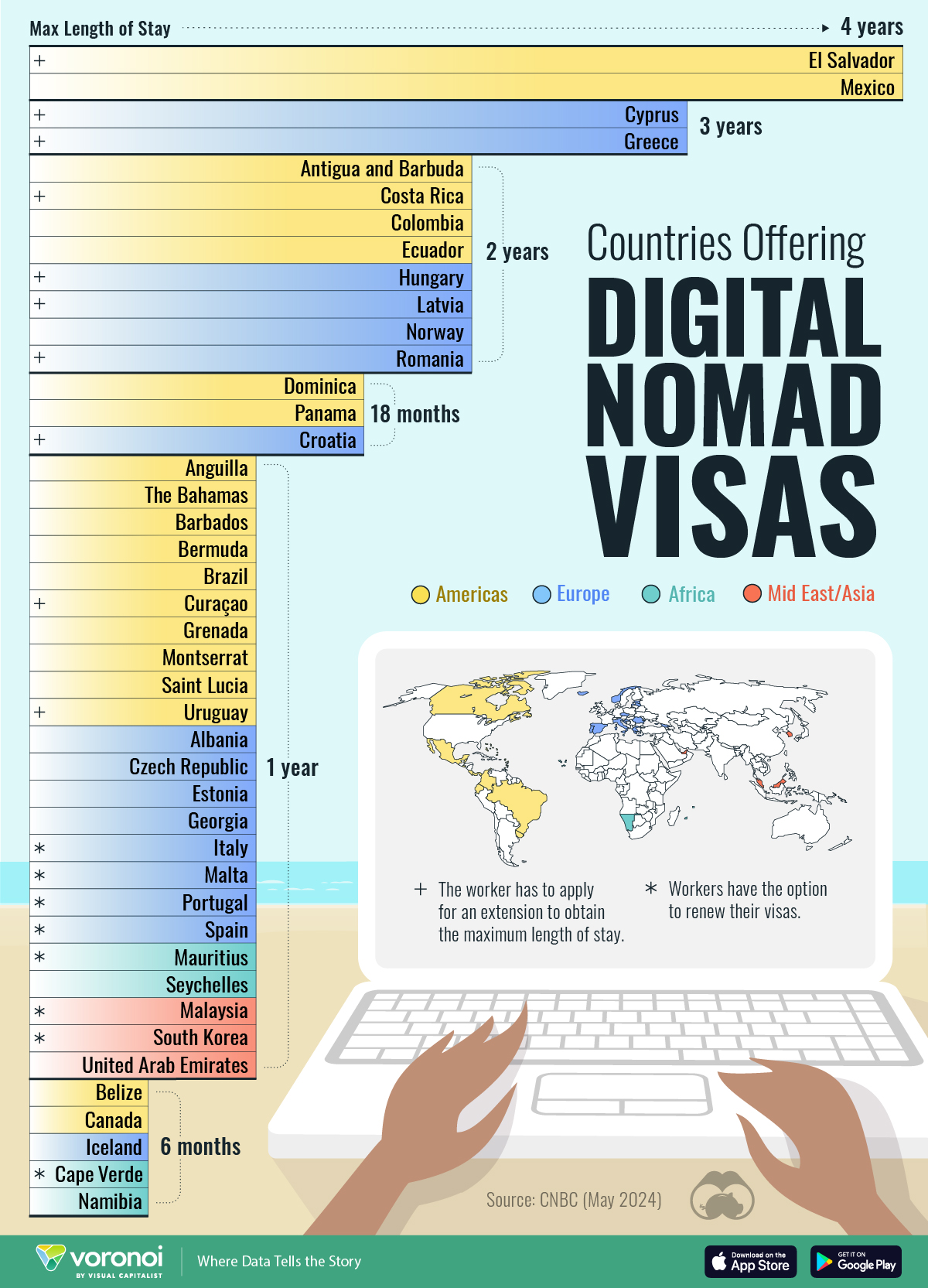
Spain, Portugal, and Croatia remain the most reliable hubs for remote workers in Europe, offering established visa frameworks and predictable bureaucratic processes.
Spain
Spain’s Digital Nomad Visa allows eligible applicants to reside for up to three years, with renewal options. A key feature is the favorable tax regime: qualifying remote workers may pay a flat 24% income tax rate on earnings up to €600,000, rather than standard progressive rates exceeding 45%. This fiscal advantage, combined with robust infrastructure in cities like Madrid, Barcelona, and Valencia, makes it a top-tier choice for career continuity and lifestyle.
Portugal
Portugal offers a specific visa for independent workers, often referred to as the Digital Nomad Visa. This pathway provides a residence permit valid for one year, renewable for subsequent two-year periods. Although the previous NHR tax regime has changed, Portugal remains attractive due to its safety, English proficiency, and established expat communities in Lisbon, Porto, and the Algarve. The application process is well-documented, with streamlined bureaucratic hurdles.
Croatia
Croatia’s Digital Nomad Residence Permit targets non-EU citizens earning at least 1.5 times the average net salary (approximately €2,550). The permit is granted for up to one year and is renewable. Croatia appeals to nomads seeking Adriatic coastal beauty in Dubrovnik and Split, with a lower cost of living than Western Europe and reliable internet infrastructure.
| Country | Visa Duration | Min. Income | Tax Treatment |
|---|---|---|---|
| Spain | 3 years (+renewal) | €2,400/mo | Flat 24% (up to €600k) |
| Portugal | 1 year (+renewal) | €3,280/mo | Standard progressive |
| Croatia | 1 year (+renewal) | ~€2,550/mo | Standard progressive |
Asian and emerging visa hubs
Asian nations are rapidly evolving into premier destinations, offering low costs of living, robust digital infrastructure, and streamlined visa processes.
Thailand’s Destination Thailand Visa (DTV) allows stays of up to five years, ideal for long-term remote workers. The country boasts excellent co-working spaces in Bangkok and Chiang Mai. Malaysia’s DE Rantau pass offers a straightforward one-year visa with high-speed internet access and a lower cost of living.
Vietnam and Indonesia are also expanding their digital nomad-friendly policies. Vietnam has modernized infrastructure in Ho Chi Minh City and Da Nang. Indonesia’s Bali Digital Nomad Visa provides access to the island’s creative ecosystem and affordable lifestyle, though applicants must navigate specific local regulations.


As an Amazon Associate, we may earn from qualifying purchases.
Essential gear for stable remote work
A digital nomad visa grants legal residency but not connectivity. Reliable hardware turns unstable infrastructure into a stable office.
Portable Wi-Fi routers
Hotel Wi-Fi is rarely secure or fast enough for heavy lifting. The GlocalMe G4 Pro is a top choice, offering global 4G LTE coverage in over 150 countries. It acts as a portable Wi-Fi router, allowing multiple devices to connect simultaneously without relying on public networks, which is critical in cafes with weak signals.
Noise-canceling headphones
Sony WH-1000XM5 headphones are widely regarded for their superior noise cancellation and all-day comfort. They block out ambient chatter in shared workspaces, allowing concentration on deep work. Their long battery life ensures they last through transatlantic flights and full workdays.
Compact docking station
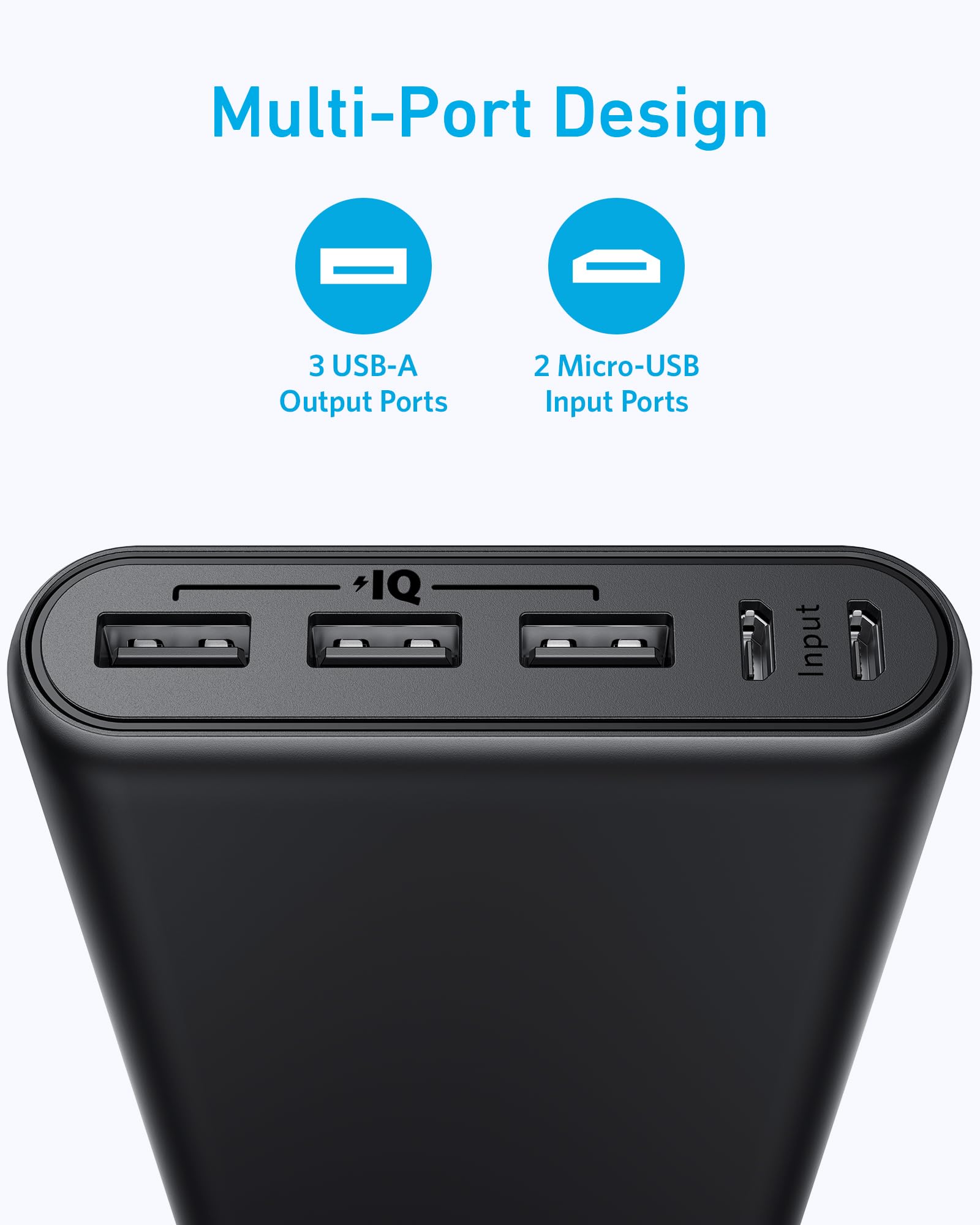
A CalDigit TS4 Thunderbolt Dock expands a single USB-C connection into multiple HDMI, USB-A, and Ethernet ports. This allows connection of dual monitors, a mechanical keyboard, and a wired Ethernet cable for maximum stability, transforming any table into a professional workstation.


As an Amazon Associate, we may earn from qualifying purchases.
How to prepare your application
Gathering paperwork is the most tedious part of securing a digital nomad visa. Most countries require proof of identity, stable income, and health insurance. Preparing these documents in advance prevents delays.
Gather your core identity documents
Your passport must have at least six months of validity remaining from your intended date of entry. You will also need a clean criminal background check from your country of residence, often requiring an apostille or notarization. Check specific certification requirements early.
Prove your remote income
Immigration authorities need concrete evidence of sufficient income, typically ranging from $2,000 to $3,500 monthly. Provide recent bank statements (three to six months), pay stubs, or employer contracts. Freelancers may use tax returns or invoices. Organize and translate these documents into English or the destination country’s official language.
Secure health insurance
Almost every digital nomad visa requires comprehensive health insurance covering the destination country. Standard travel insurance is often insufficient. Look for policies covering repatriation and long-term stays. Some countries, like Portugal and Estonia, specify minimum coverage amounts.
Submit and track your application
Submit your application through the official government portal or embassy. Keep digital and physical copies of everything. Processing times vary from two weeks to three months. Do not book non-refundable flights until your visa is approved.
Check your passport expiry date. If it expires within six months, renew it now. Gather your national ID card and any previous visas that show travel history.

Request a police clearance certificate from your local authorities. This process can take weeks. Ensure it is recent (usually issued within the last 3-6 months) and has an apostille if required.
Download 3-6 months of bank statements. Gather employment contracts or freelance invoices. Highlight your monthly balance and income sources clearly. Translate these documents if necessary.
Purchase a policy that meets the destination country's minimum coverage requirements. Keep the policy certificate and proof of payment. Verify that it covers long-term stays and repatriation.
Apply only through the government's official immigration website or embassy. Avoid third-party agents unless they are legally authorized. Track your application status regularly.


As an Amazon Associate, we may earn from qualifying purchases.
Digital Nomad Visa FAQs: Taxes, Family, and Renewal
Remote work legality hinges on three practical details: how you handle taxes, whether your family can join, and how the visa renews.
Do I pay taxes in my host country?
Most digital nomad visas do not automatically make you a tax resident. You typically keep paying taxes in your home country unless you stay longer than 183 days. Some countries, like Spain, have special tax regimes for new residents, but most treat nomads as non-residents. Always consult a cross-border tax expert to avoid double taxation.
Can I bring my spouse and children?
Many countries allow dependents, but requirements differ. Portugal and Estonia permit spouses and children under specific age limits. Others, like Croatia, may require proof of higher income or separate accommodation. Some nations restrict work rights for dependents, meaning your spouse cannot legally work remotely on the visa.
How does renewal work?
Renewal processes vary widely. Some visas, like Thailand’s, allow multiple extensions within a set period. Others, like Estonia’s, require a fresh application after expiration. Check if your visa allows in-country renewal or if you must leave the country to apply again. Missing a renewal deadline can result in fines or deportation.
No comments yet. Be the first to share your thoughts!