
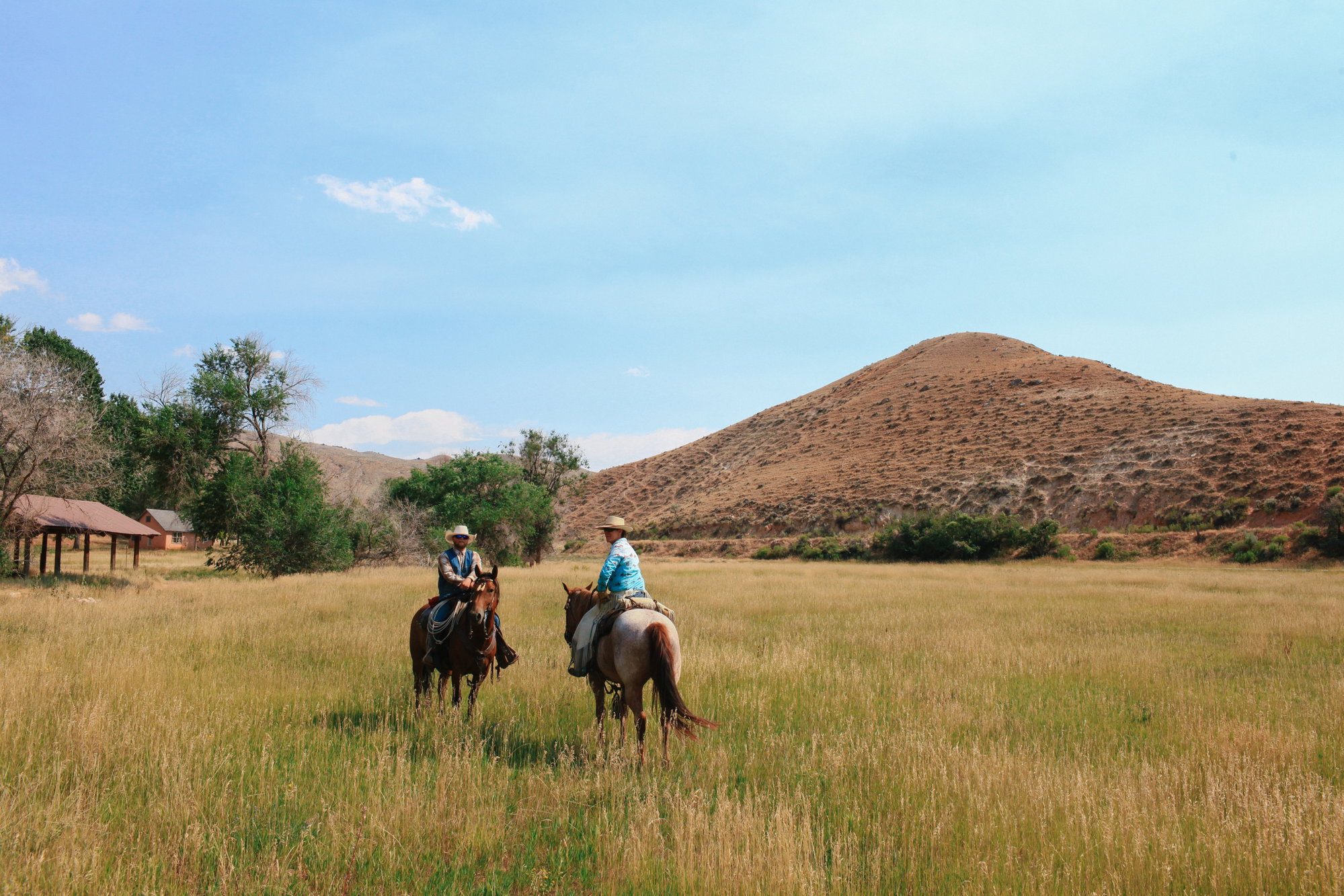
Why stable travel 2026 matters now
The 2026 equestrian travel landscape is shifting away from quick weekend dashes toward longer, more immersive stays. This aligns with the broader "slow travel" movement, where travelers prioritize deep engagement with a destination over checking off landmarks. For horse owners and riders, this means fewer, higher-quality trips that allow time for proper acclimation, trail exploration, and community building.
This shift is economically significant. As U.S. Travel Association forecasts indicate, overall travel spending is growing at steady, positive rates through 2026. Stable travel taps into this by combining the high daily spend of equestrian activities with the extended duration of slow tourism. Stables in popular regions are adapting by offering full-service boarding packages that include trail maps, local guide connections, and flexible boarding terms for visiting horses.
Planning for 2026 requires looking beyond just the stable itself. The best retreats now integrate local context—farm-to-table dining, regional riding clubs, and seasonal trail conditions. Whether you are heading to Kentucky for spring training or Texas for winter boarders, the focus is on creating a cohesive experience where the horse and rider can truly settle in.
Top equestrian retreats for 2026
The equestrian retreat landscape in 2026 is shifting from simple boarding facilities to immersive, experience-driven destinations. Travelers are prioritizing locations that offer unique riding environments, high-end amenities, and a strong sense of place over traditional stable infrastructure. This section highlights three standout destinations that define this trend, focusing on practical details like timing, cost, and local context.
Patagonia, Argentina: The Frontier Experience
Patagonia offers a stark, breathtaking contrast to traditional European riding destinations. The vast, windswept plains of the Chubut and Santa Cruz provinces provide endless trails through glaciers and turquoise lakes. Retreats here focus on multi-day horseback treks, often led by local gauchos who share deep knowledge of the terrain.
Timing: The best riding season runs from November to March, when the weather is mild and trails are clear of snow. Cost: Expect to pay $300–$500 per day for all-inclusive trekking packages, which include meals, lodging, and horse care. Local Context: Remote locations mean limited cell service and medical facilities. Choose retreats with established emergency protocols and satellite communication systems.
The Scottish Highlands, UK: Heritage and Landscape
The Scottish Highlands combine rich equestrian heritage with dramatic scenery. Retreats here often feature historic estates with centuries-old riding traditions. Riders can explore ancient forests, lochs, and mountain passes on sturdy Highland ponies or thoroughbreds.
Timing: June to September offers the most reliable weather and longest daylight hours. Cost: Daily rates range from $250 to $400, depending on the level of luxury accommodation. Many retreats offer weekly discounts. Local Context: Bug protection is essential in summer months. Pack appropriate waterproof gear, as weather can change rapidly even in peak season.
Tuscany, Italy: Culture and Cuisine
Tuscany remains a top choice for riders seeking a blend of equestrian activity and cultural immersion. Retreats are often set in restored farmhouses or vineyards, offering riding lessons, trail rides through olive groves, and wine tasting. The rolling hills provide varied terrain suitable for all skill levels.
Timing: April to June and September to October provide comfortable temperatures and fewer crowds. Cost: Daily costs average $200–$350, including accommodation and meals. Riding lessons may be extra. Local Context: Book accommodations well in advance, especially for peak seasons. Many retreats require minimum stays of three to five days.
Best boarding hotspots for long stays
For riders planning to stay for weeks or months, the right location offers more than just a stall. It provides a stable community, reliable training infrastructure, and a riding culture that supports daily practice. These destinations function as temporary home bases, allowing you to immerse yourself in the local equestrian scene without the long-term commitment of purchasing property.
When selecting a long-stay boarding facility, prioritize places with extensive trail networks and consistent footing. The cost of boarding varies significantly by region, with Western states often offering more acreage per dollar than the East Coast. However, the true value lies in the social fabric of the barn. Look for facilities that host regular group rides, clinics, or social events, as these connections turn a transactional stay into a supportive experience.
Below is a comparison of top boarding hotspots known for their suitability for extended visits. These locations balance cost, infrastructure, and community engagement.
Choosing a location also depends on your training goals. If you are preparing for competition, areas like Ocala or Kentucky offer year-round facilities with high-level coaching. For leisure riding and trail exploration, Sonoma or Austin provide diverse landscapes and a more relaxed pace. Consider the local riding culture; some barns are strictly business, while others foster a family-like environment where riders support each other through seasons and events.
Ultimately, the best boarding hotspot is one where you feel connected to the riding community. Take time to visit facilities, meet the staff, and observe the horses. A place that feels right for your horse and your lifestyle will make your long stay not just manageable, but enjoyable.
Where to ride in 2026: Global map
Stable travel has shifted from a niche hobby to a structured global circuit. The 2026 landscape favors regions with established equestrian infrastructure, reliable weather windows, and accessible boarding facilities. This map highlights the primary hubs where riders can find high-quality training, scenic trails, and professional care.
The distribution of top destinations spans three continents, reflecting a move toward slower, more immersive travel experiences. Rather than hopping between multiple countries, riders are increasingly committing to single-region itineraries that allow for deeper engagement with local riding cultures and terrain.
Key regions include the American West, where vast public lands offer unparalleled trail riding, and European destinations like Spain and France, which combine historic riding traditions with modern equestrian tourism. Eastern Europe is emerging as a cost-effective alternative, offering rich equestrian heritage without the premium price tags of Western Europe.
When planning your route, consider the seasonal availability of each destination. Spring and fall generally provide the most comfortable riding conditions across most of these regions, while summer heat in the south and winter snow in the north can limit access to certain trails and facilities.
Planning your stable travel 2026
Equestrian travel requires more than just a riding calendar; it demands logistical precision. Whether you are heading to a European breeding farm or a tropical training center, the difference between a smooth trip and a stressful ordeal lies in the details. Treat your itinerary like a competition schedule: every minute counts, and every contingency needs a plan.
Start by mapping out the seasonal rhythms of your destination. Weather patterns dictate not only riding conditions but also travel feasibility. For instance, monsoon seasons in Southeast Asia or heavy snow in the Alps can close trails and stall transport. Consult a reliable travel guide to align your dates with the best riding windows. This ensures you get the most out of your stay without fighting the elements.
Once your dates are set, focus on the local context. Each equestrian region has its own culture, trail etiquette, and riding norms. Research local riding clubs or online forums to understand the terrain and common hazards. This local knowledge can transform a generic trip into an authentic equestrian experience.
-
Verify horse passport and microchip registration
-
Confirm import/export health certificates
-
Book equine transport or trailer rental
-
Check destination weather and trail conditions
-
Pack personal riding gear and supplements
-
Review insurance coverage for international travel
Common questions about stable travel
Traveling with horses involves unique logistical hurdles that differ from standard pet travel. Understanding these specifics helps you avoid unexpected fees, delays, or health compliance issues at your destination.
Do I need travel insurance for my horse?
Standard pet insurance rarely covers international equine travel or high-value transport liabilities. You need specialized equine mortality and transit insurance. This covers loss or injury during shipping and can protect against trip cancellations due to veterinary emergencies. Always verify that the policy covers the specific mode of transport, whether commercial airline, ground transport, or private charter.
How far in advance should I book boarding?
Top equestrian retreats and boarding hotspots fill quickly, especially during peak seasons like spring and summer. Book your stable stay at least three to six months in advance. This lead time ensures you secure a stall with the specific footing and turnout conditions your horse needs. Last-minute bookings often result in limited options or higher "emergency" rates.
What health documents are required for cross-border travel?
International horse travel requires a current Certificate of Veterinary Inspection (CVI), often called a health certificate. Most countries also mandate a negative Coggins test and proof of rabies vaccination. Some regions require additional tests for diseases like African Horse Sickness or Equine Influenza. Check the USDA and the destination country's agricultural department websites for the exact, up-to-date list of required vaccinations and waiting periods before departure.
No comments yet. Be the first to share your thoughts!