
Why stable travel matters in 2026
Stable travel has moved from a niche hobby to a defining travel trend for 2026. Travelers are increasingly seeking "coolcations" that blend luxury with wellness, prioritizing off-grid escapes and social connection over traditional sightseeing. This shift reflects a broader desire for immersive experiences where guests can disconnect from digital noise while reconnecting with nature and animals.
The appeal of stable travel lies in its ability to offer structured relaxation. Unlike a chaotic city break or a passive beach resort, riding holidays provide a rhythmic, meditative activity that anchors the day. Whether navigating coastal trails or forest paths, the focus on horsemanship creates a natural pause in the travel itinerary, allowing for genuine mental decompression.
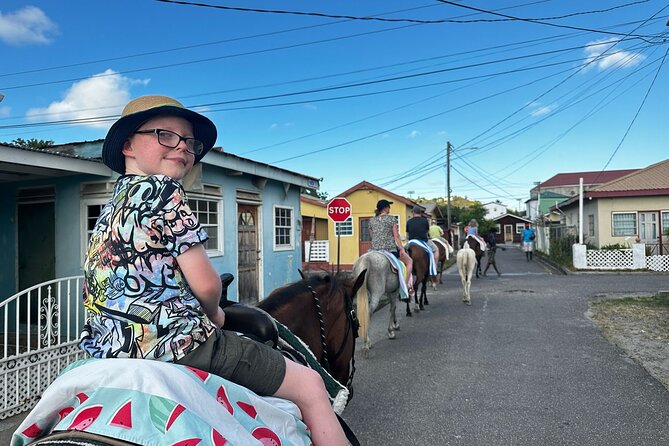
This trend is particularly strong among travelers looking for safe, serene destinations. Countries like Costa Rica, Portugal, and Iceland are seeing a surge in equestrian tourism as visitors prioritize environments that offer both physical safety and emotional calm. The combination of high-quality riding facilities and accessible luxury accommodations makes these retreats increasingly viable for mainstream travelers.
For many, the horse becomes the gateway to a slower, more intentional way of traveling. The routine of grooming, tacking up, and riding creates a sense of purpose and presence that is hard to replicate in other forms of tourism. As we look toward 2026, stable travel offers a compelling alternative to crowded tourist traps, providing a pathway to genuine relaxation and adventure.
Top riding destinations in Europe
Europe offers a diverse range of equestrian experiences, from the sun-drenched trails of Italy to the rugged moors of Scotland. Choosing the right destination depends on your preferred riding style, budget, and the season you plan to visit. Below are three standout regions that define the best equestrian retreats in Europe for 2026.
Tuscany, Italy
Tuscany is synonymous with rolling hills, cypress-lined roads, and world-class wine. Riding here feels like traveling through a living painting. Most retreats are located in the Val d’Orcia or Chianti regions, offering guided trail rides that weave through vineyards and olive groves.
The best time to ride is spring (April to June) or autumn (September to October) when the weather is mild and the light is golden. Summer can be intensely hot, making long rides uncomfortable. Expect to pay a premium for luxury farm stays that include riding, but the combination of equestrian culture and gourmet cuisine makes it worth the cost.
Andalusia, Spain
Andalusia is the heart of Spanish horsemanship. This region is home to the Royal Andalusian School of Equestrian Art in Jerez, where classical dressage is performed. However, the real draw for many travelers is the opportunity to ride in the open countryside, often encountering local ranchers on horseback.
The Andalusian horse, known for its grace and strength, is native to this region. Many retreats offer lessons in classical dressage or freestyle riding. Spring is ideal, avoiding the scorching summer heat. The culture here is deeply intertwined with the horse, from bullfighting traditions (which you may choose to observe or avoid) to flamenco festivals.
The Scottish Highlands
For those seeking adventure and solitude, the Scottish Highlands offer breathtaking landscapes. Riding here means traversing rugged terrain, crossing streams, and navigating steep hills with views of lochs and mountains. It is a raw, authentic experience that tests both horse and rider.
The riding season is shorter, typically from May to September, due to weather conditions. The Highlands are less commercialized than Tuscany or Andalusia, offering a more intimate connection with nature. Accommodations range from cozy cottages to luxury lodges, often with fewer amenities but unparalleled scenery.
Planning Your Trip
When booking an equestrian retreat in Europe, consider the following practical tips:
- Book Early: Popular retreats in Tuscany and Andalusia fill up months in advance, especially for peak seasons.
- Check Horse Experience Levels: Ensure the retreat matches your skill level. Some places offer beginner-friendly rides, while others require advanced skills.
- Pack Appropriately: For Scotland, bring waterproof gear. For Italy and Spain, lightweight, breathable clothing is essential.
- Local Customs: Respect local riding etiquette and trail rules. In some areas, horses have right of way.
These destinations offer more than just riding; they provide a deep immersion into the local culture and landscape. Whether you prefer the elegance of Tuscany, the tradition of Andalusia, or the wild beauty of Scotland, Europe has an equestrian retreat for you.
How to choose a stable stay package
Selecting the right equestrian retreat requires matching your riding ability with the level of support provided. Packages generally fall into three categories: all-inclusive resorts, self-guided trail riding tours, and training-focused retreats. Understanding the differences helps you avoid paying for services you don’t need or missing out on critical guidance.
All-inclusive resort packages
These packages bundle accommodation, meals, and daily riding into a single price. They are ideal for beginners or those seeking a relaxed holiday where logistics are handled entirely by the staff. You typically ride managed horses, which reduces the pressure of handling unfamiliar animals. The downside is a higher upfront cost and less flexibility in your daily schedule.
Self-guided trail riding
Self-guided packages provide horses, gear, and detailed route maps, but you navigate and manage the ride yourself. This option suits experienced riders who value independence and want to explore remote trails at their own pace. It is significantly cheaper than all-inclusive options but requires strong navigation skills and self-sufficiency. You are responsible for any issues that arise on the trail.
Training-focused retreats
Training retreats prioritize skill development over leisure. These packages include daily lessons with professional instructors, often with a focus on dressage, jumping, or horsemanship. They are best for intermediate to advanced riders looking to refine their technique. While more expensive than self-guided trips, the value comes from the personalized coaching and structured curriculum.
| Package Type | Best For | Level of Support | Relative Cost |
|---|---|---|---|
| All-inclusive resort | Beginner | High (full service) | $$$ |
| Self-guided trail | Experienced | Low (maps only) | $ |
| Training retreat | Intermediate+ | Medium (daily lessons) | $$ |
Key factors to evaluate
Before booking, verify what is included in the base price. Some packages charge extra for equipment rental, veterinary care, or even certain meals. Check the cancellation policy carefully, as equestrian travel often involves weather-dependent activities. Finally, read recent reviews from riders with your specific skill level to gauge the quality of horses and instruction.
Booking logistics and payment options
Securing a premium equestrian retreat often requires more than just a credit card swipe. The logistics of booking a riding holiday involve coordinating complex itineraries that span multiple properties, stables, and private guides. Unlike standard hotel reservations, these trips demand a higher level of verification and often require substantial deposits well in advance of your arrival date. Understanding the financial and administrative layers of this process helps ensure your trip remains stress-free from the moment you book.
Emerging payment methods
The travel industry is slowly adapting to digital assets, particularly for high-value transactions. Some boutique equestrian agencies and luxury travel concierges now accept cryptocurrency or stablecoin payments for deposits and full itineraries. This option appeals to travelers seeking privacy or those looking to hedge against currency fluctuation during long-term planning. While not yet mainstream, this method offers a modern alternative to traditional wire transfers, which can be slow and fee-heavy for international bookings.
Onchain insurance and protection
For high-value trips, standard travel insurance may not cover the full spectrum of risks, especially those involving rare horses or specialized equipment. A new niche of onchain insurance products is emerging, offering smart-contract-based coverage for specific travel events. These policies can automatically trigger payouts if certain conditions are met, such as flight cancellations or horse injury, providing a transparent and rapid resolution process. This innovation is particularly relevant for equestrian enthusiasts who view their animals as high-stakes assets.
What to expect during checkout
When you reach the final stage of booking, expect a detailed invoice that breaks down accommodation, riding fees, and local taxes. Reputable agencies will provide a clear cancellation policy, often with tiered refund structures depending on how far in advance you cancel. Always request a written confirmation that specifies the exact horses you will be riding, as availability can shift. For equestrian travel, clarity on these logistical details is just as important as the destination itself.
Essential packing checklist for riders
Stable travel 2026 demands a different kind of luggage strategy. You aren't just packing for comfort; you are packing for safety and performance. A missing stirrup iron or a scuffed helmet can derail a riding holiday before it begins. Treat your gear list with the same precision as your itinerary.
Helmet, vest, and boots must be worn-in. Never ship a broken helmet to a stable. Check that your boots have the correct heel and sole grip for the terrain. Pack a spare pair of gloves and a broken-in saddle pad to avoid friction burns.
Stables often lack dryers. Bring moisture-wicking base layers and quick-dry riding tights. Include two pairs of breeches per week of travel to ensure you always have clean, safe fabric. Pack casual layers for evenings, as many equestrian centers are in remote rural areas with limited dining options.
Carry your passport, visa, and travel insurance papers in a waterproof folder. Include a digital copy of your horse’s health certificates if you are bringing equine companions. Print the stable’s contact information and emergency vet numbers, as cell service can be unreliable in riding country.
Stable environments are dusty and muddy. Pack high-SPF sunscreen, insect repellent, and a basic first-aid kit with blister plasters. Bring your own riding crop or whip if you have specific preferences, as stables may not provide them.
Frequently asked questions about riding holidays
Riding holidays are accessible to most fitness levels, but they require a baseline of comfort in the saddle. Most reputable equestrian retreats match riders to horses that fit their skill level, meaning you don’t need to be an expert to join. For beginners, look for programs that include daily riding lessons and sturdy, calm horses. Intermediate riders can expect trail riding over varied terrain, often including cantering or hacking through scenic landscapes.
Safety is the top priority for any responsible equestrian operator. Always verify that the stable follows international safety standards, such as those outlined by the British Horse Society or local tourism boards. Helmets should be mandatory and properly fitted. Additionally, check if the retreat offers travel insurance that specifically covers equestrian activities, as standard policies often exclude riding injuries.
The best time to travel depends on your destination’s climate. Spring and autumn are generally ideal, offering mild temperatures and fewer insects. Summer can be hot and busy, while winter may limit riding hours due to weather. For example, European destinations like Ireland or France are best visited from May to September, while destinations in the Southern Hemisphere, such as New Zealand, are prime from November to March.
No comments yet. Be the first to share your thoughts!