
Why 2026 favors slow equestrian travel
The global travel landscape is shifting. Long-haul itineraries are giving way to shorter, safer, and more flexible domestic trips as travelers navigate tighter budgets and greater uncertainty. This pivot toward proximity creates a natural opening for stable travel, where the journey itself is the destination rather than a means to an end.
Slower travel isn't just a trend; it's a practical response to the pace of modern life. Equestrian retreats fit this model perfectly. They require time, patience, and a connection to the land that cannot be rushed. Riding through a familiar region allows for a depth of experience that a multi-country bus tour simply cannot match. You stay longer in one place, learning the local rhythms and building relationships with the horses and guides.
This approach reduces the stress of logistics while maximizing immersion. Instead of packing and unpacking every few days, you settle into a rhythm. The horse becomes your anchor, grounding you in the present moment. This stability is particularly appealing in 2026, where flexibility is more valuable than a fixed schedule.
Top riding retreats for 2026
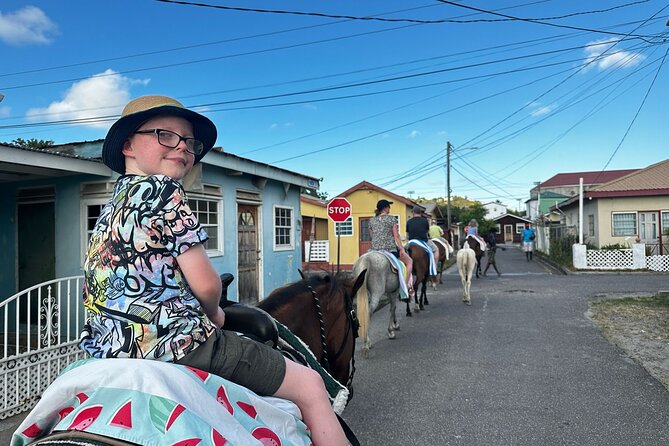
Choosing a riding holiday depends on where you want to be when the trail opens. The best equestrian retreats for 2026 combine reliable horse care with scenery that justifies the trip. Below are three distinct options, ranging from European countryside to North American ranches.
Patagonia, Argentina
Patagonia offers some of the most dramatic riding in the world. The terrain is rugged, with windswept plains and towering peaks that provide a stark, beautiful backdrop for long days in the saddle. Retreats here typically focus on multi-day treks, requiring riders to be comfortable with variable weather. The best time to go is during the southern summer, from November to March, when the days are long and the trails are clear of snow.
Tuscany, Italy
For those who prefer rolling hills over mountain passes, Tuscany provides a gentler pace. Riding through vineyards and olive groves allows for stops at local farms and wineries, making the day feel more like a leisurely excursion than a trek. Many equestrian retreats in this region offer half-day rides that end with a traditional Italian meal. This option is ideal for riders who want scenic beauty without the physical demands of high-altitude trekking.
Montana, USA
Montana’s ranch culture is authentic and deeply rooted. Riding here means staying on working ranches where horses are treated as partners in the work. The experience is less about polished trails and more about the rhythm of the West. Riders should expect wide-open spaces, wildlife encounters, and a slower pace of life. The best season is late spring to early fall, when the high country trails are accessible and the weather is mild.
Finding horse-friendly accommodations
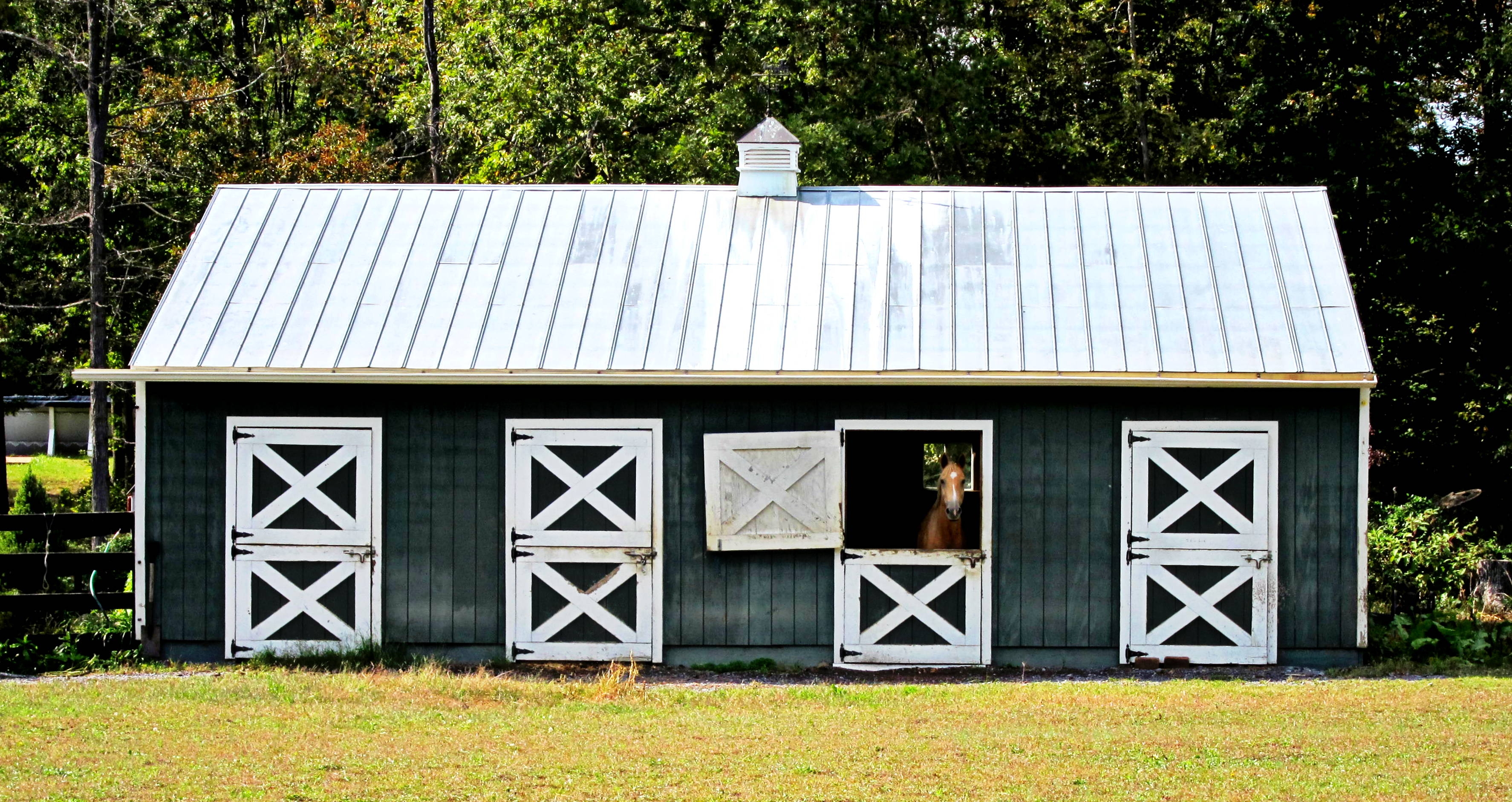
Booking a stay that works for both you and your horse requires more than just confirming a pet-friendly room. You need to verify that the property has the specific infrastructure to keep your animal safe and comfortable during transit. The difference between a "horse-friendly" listing and a truly suitable equestrian retreat often comes down to three factors: stabling quality, trail access, and emergency support.
Inspect the stabling and footing
The stability of the stalls is your first priority. When reviewing photos or contacting the host, ask about the flooring material. Deep, soft bedding like rubber mats over gravel or sand is standard for travel stops because it provides cushioning for joints during rest periods. Hard concrete or slippery tile can lead to slips and injuries, especially if the horse is anxious or the area is damp.
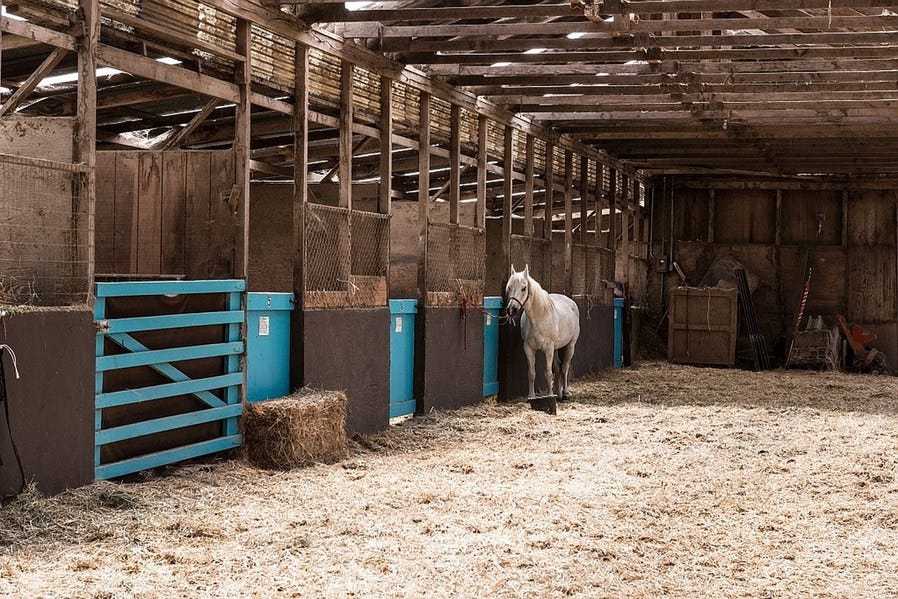
Drainage is equally critical. Even if the stalls look spacious, poor drainage can turn a clean barn into a muddy, unsanitary environment overnight. Ask if the stable area has proper ventilation and if the owner performs daily cleaning. A well-maintained barn with dry footing is non-negotiable for preventing respiratory issues and hoof problems like thrush, which thrive in wet conditions.
Verify trail access and exercise space
Horses need to move to recover from travel stress. If the accommodation advertises "trail access," clarify whether the trails are on-site or nearby. On-site trails are ideal because they allow for controlled exercise without the stress of loading and unloading. If trails are off-site, ask about the distance and the condition of the access roads.
For properties without trails, ensure there is a secure paddock or round pen where the horse can be turned out daily. A small, fenced area is better than nothing, but it must be sturdy enough to contain the animal and free of hazards like loose wire or toxic plants. Confirm that the fence is visible and intact; horses are curious and may test weak points.
Check for vet access and emergency plans
Horse travel carries risks, from colic to injuries. Before booking, identify the nearest equine veterinarian to the property. In rural areas, vet clinics can be hours apart, so having a confirmed location within a 30-minute drive is a significant advantage. Ask the host if they have experience with equine emergencies and if they can provide references from other equestrian guests.
Also, inquire about the property's policy on emergency care. Can they transport your horse to the vet if needed? Do they have a reliable trailer available? Having a clear plan in place before you arrive reduces stress for both you and your horse if something goes wrong. This preparation ensures your equestrian retreat remains a relaxing experience rather than a logistical nightmare.
Plan your stable travel route and timing
Mapping a riding itinerary requires aligning your schedule with seasonal weather patterns and trail accessibility. For 2026, the strongest trends point toward slower, more intentional travel, favoring regions with mild springs and early autumns to maximize safe riding conditions. By focusing on specific windows, you can avoid peak congestion and ensure your horses have access to fresh forage and clean water along the way.
1. Check regional weather windows
Trail conditions dictate your route more than distance does. Spring riding in the western United States peaks from May through June, when snowmelt has cleared lower elevations but high passes remain open. Conversely, fall offers stable ground and crisp air from September to October, particularly in the Rockies and Pacific Northwest. Always consult local ranger stations for real-time trail closures due to mud or fire risk.
2. Map out daily segments
Break your journey into manageable 20-30 mile daily segments that account for rest stops and stable check-in times. Use resources like the National Park Service to identify public lands with designated equestrian trails. Prioritize routes with known water sources and avoid long stretches through private property without clear easements.
3. Book stables and campsites early
Popular riding destinations fill up months in advance, especially during holiday weekends. Secure your overnight stays at horse-friendly lodges or dispersed camping areas with permits. Confirm that your chosen stops offer secure fencing, water, and hay, as these amenities may be limited in remote areas.
4. Prepare for local regulations
Research local leash laws, trail etiquette, and any required permits for your specific region. Some parks require advance reservations for equestrian permits, while others restrict riding on certain days to protect wildlife. Carry a copy of these regulations to avoid conflicts with other trail users or park rangers.
Essential checklist for stable travel
Before you book the trailer or load the horses, get your paperwork and gear in order. A smooth trip relies on preparation, not luck. This checklist covers the essentials for a stress-free equestrian holiday.
Check entry requirements for your destination well in advance. Most regions require a valid health certificate issued within 30 days of travel and a negative Coggins test. International travel often needs additional vaccinations and veterinary exams.
Bring a comprehensive kit including wound care, vet wrap, electrolytes, and any daily medications. Pack a copy of your horse’s medical records and your farrier’s details. Don’t forget extra grain and water buckets to maintain their routine.
Inspect tires, lights, brakes, and hitch mechanisms before hitting the road. Ensure your vehicle is rated for the load and that the trailer has adequate ventilation. A breakdown in remote areas can be dangerous for both you and your horses.
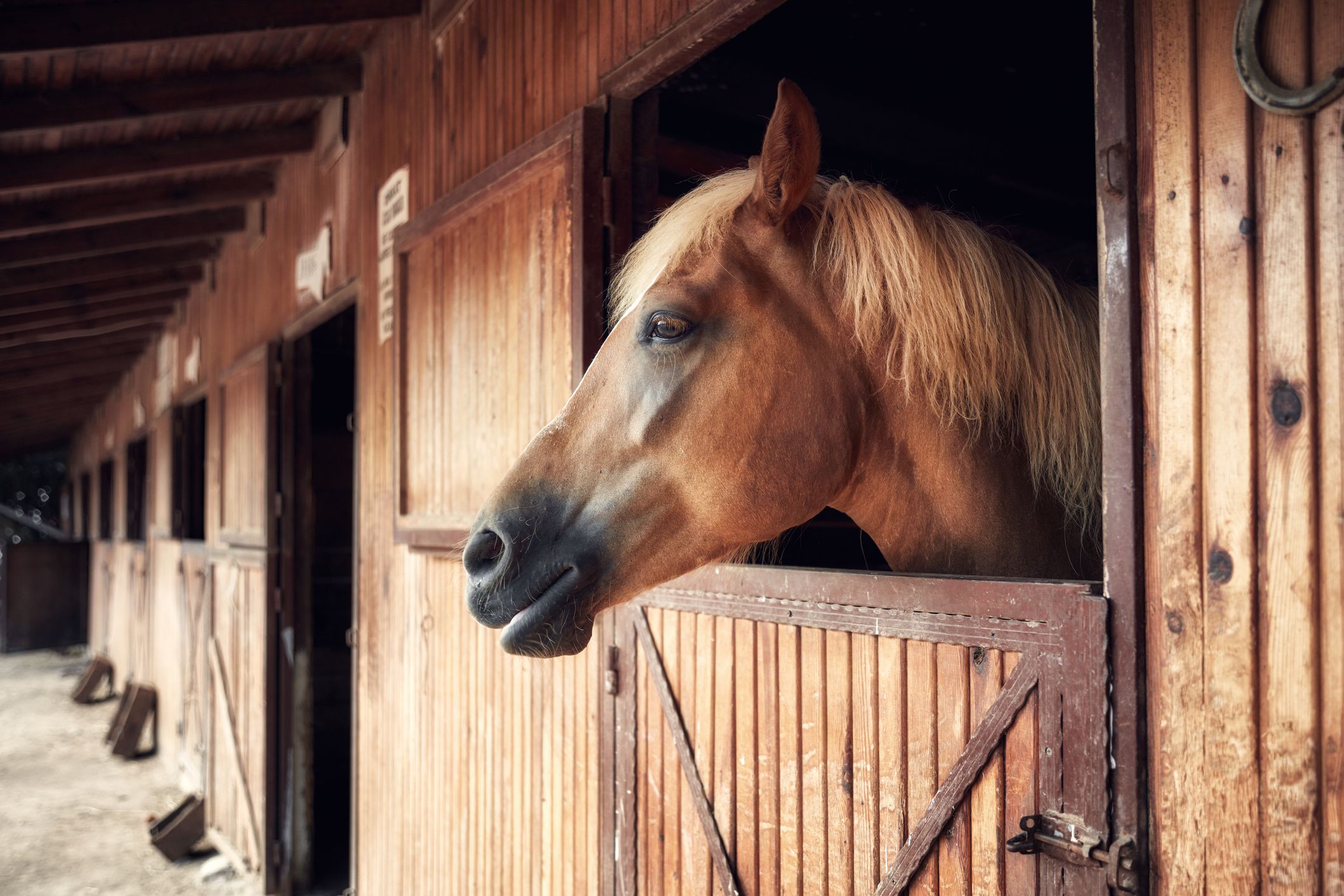
Book your boarding spot early, especially during peak season. Confirm stall size, turnout options, and feed availability. If you plan to ride, reserve trail rides or lessons ahead of time to ensure your itinerary aligns with your skills.
Common questions about equestrian travel
Traveling with horses or booking riding holidays requires more than just a reservation; it demands careful logistical planning. Whether you are moving your own mount to a stable abroad or booking a turn-key equestrian retreat, understanding the specific constraints of 2026 is essential for a smooth journey.
No comments yet. Be the first to share your thoughts!