
Why stable travel matters in 2026
Stable travel 2026 is shifting from a niche hobby to a structured lifestyle for riders who refuse to leave their horses behind. The primary driver is no longer just the romance of the trail, but the availability of reliable equine infrastructure in destinations that were previously inaccessible to horse owners. This shift allows riders to treat their horses as true travel companions rather than temporary boarders, reducing the stress of separation and maintaining the bond that makes the journey meaningful.
The landscape has changed significantly. In 2026, the focus is on destinations with robust equine infrastructure, making it easier to bring horses on vacation or board them locally without extensive logistical hurdles. Travelers are prioritizing locations that offer secure boarding, professional care, and direct access to riding trails. This accessibility transforms a simple holiday into an extended riding expedition, where the itinerary is dictated by terrain and weather rather than flight schedules.
Practical considerations now outweigh pure adventure. Riders are spending more time researching local regulations, veterinary support, and quarantine requirements before booking. The goal is a seamless experience where the horse’s well-being is guaranteed, allowing the rider to focus on the ride. This approach ensures that the trip remains relaxing for both human and animal, turning potential logistical nightmares into manageable planning tasks.
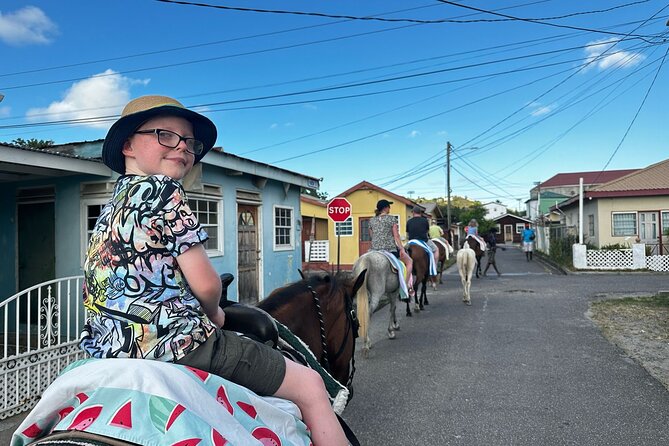
This evolution means that stable travel 2026 is less about finding the most remote wilderness and more about connecting with established equestrian communities. Whether you are crossing borders or staying within your home country, the emphasis is on safety, convenience, and the shared joy of riding. By choosing destinations that support both rider and horse, you create a sustainable model for travel that can be repeated year after year.
Top equine-friendly destinations for 2026
Choosing where to take your horse requires more than just checking the weather. The best equine-friendly destinations combine safe trail systems, reliable farrier access, and stables that understand equine welfare. For 2026, we have identified three locations that consistently rank high for safety, infrastructure, and rider experience.
1. Blue Ridge Mountains, Virginia
The Blue Ridge Parkway offers over 469 miles of scenic routes with dedicated equestrian trails. Shenandoah National Park remains a top choice, allowing horses on specific trails like the Old Rag Mountain Loop (seasonal restrictions apply). The region has a dense network of equine-specific lodging, many of which offer direct trail access from the barn.
- Best Time: April–June and September–October for mild temperatures.
- Key Resource: Shenandoah National Park Equestrian Guidelines
2. Sedona, Arizona
Sedona’s red rock trails provide a unique backdrop for trail riding, with over 400 miles of marked paths. The area is well-equipped for horse travelers, featuring multiple boarding stables and veterinary services. Riders should be aware of the high altitude and intense summer heat, which can impact both horse and rider performance.
- Best Time: March–May and September–November.
- Key Resource: Sedona Trail Map
3. Leavenworth, Washington
Nestled in the Cascade Mountains, Leavenworth offers access to the Wenatchee National Forest. The area is known for its well-maintained trails and welcoming community of horse owners. Several resorts cater specifically to equestrians, providing amenities like hay storage, tack rooms, and guided trail rides for those who prefer not to navigate alone.
- Best Time: June–September for open trails.
- Key Resource: Wenatchee National Forest Recreation
Comparing boarding and riding options
Choosing the right stable travel experience depends on how long you plan to stay, your riding level, and whether you prefer independence or guided structure. The three main models—full boarding, short-term stable stays, and guided riding holidays—each offer distinct advantages for travelers planning their 2026 equestrian trips.
Full Boarding
Full boarding is ideal for riders planning extended stays, typically three weeks or longer. You get a private stall, daily feeding, turnout, and often access to local trails. This option offers the most flexibility for self-guided exploration but requires you to manage your own schedule and logistics. It’s best for experienced riders who want the routine of home while traveling.
Short-Term Stable Stays
Short-term stays, often called "drop-in" or "transit" boarding, cater to riders passing through a region for a few days. These stables usually offer stall rental, basic care, and trail access without the long-term commitment. It’s a practical choice for multi-destination trips where you want to ride locally without packing your horse or committing to a full lease.
Guided Riding Holidays
Guided holidays remove the logistical heavy lifting. A tour operator handles accommodations, meals, trail planning, and sometimes even horse rentals. You focus on riding and sightseeing. This model is perfect for beginners or those who want a curated experience with built-in safety nets and local expertise. It’s generally more expensive but offers a seamless, stress-free adventure.
| Option | Best For | Cost Level | Flexibility |
|---|---|---|---|
| Full Boarding | 3+ weeks | High | High |
| Short-Term Stay | 2-7 days | Medium | Medium |
| Guided Holiday | 3-10 days | Very High | Low |
Key Considerations
When comparing these options, consider your riding comfort level and desired pace. Full boarding offers autonomy but requires more planning. Short-term stays provide a middle ground for travelers on the move. Guided holidays deliver convenience and structure, ideal for those prioritizing experience over independence. Research local trail conditions and stable reputations early, as popular destinations fill quickly in 2026.
Planning your stable travel 2026 itinerary
Building a stable travel 2026 itinerary requires balancing your riding schedule with the logistical realities of moving horses. Unlike standard travel, every day on the road counts toward your horse’s recovery and readiness. Start by mapping your riding days first, then fit the transport and rest days around them.
Lock in transport and lodging early
Horse transport slots fill up quickly, especially during peak seasons. Book your trailer, truck, or air freight months in advance to secure rates and availability. Similarly, stable lodging often has limited stalls. Confirm that your destination has adequate footing, water, and feed options before finalizing your dates.
Map your route for horse comfort
Avoid long, continuous drives. Plan stops every three to four hours for water and rest. Use a map to identify low-stress routes with minimal traffic and smooth pavement. If you are crossing borders or long distances, check veterinary import requirements and quarantine rules well ahead of time.
Account for local weather and terrain
Research the typical weather for your destination in 2026. Extreme heat or sudden rain can make riding unsafe and increase the risk of heat stress or injury for your horse. Check trail conditions and arena footing reports from local stables to ensure they match your horse’s fitness level and your riding goals.
Prepare a detailed packing list
Horse travel requires more than just tack and feed. Pack a comprehensive first-aid kit for both you and your horse, including electrolytes, bandages, and any regular medications. Bring familiar bedding or hay to ease the transition. Double-check that all transport crates and trailers are inspected and cleaned before departure.
Finalize vet checks and paperwork
Ensure your horse’s vaccinations and health certificates are current. Some destinations require specific tests or negative Coggins results. Keep digital and physical copies of all documents in your vehicle. A quick vet check before departure can catch minor issues that could become major problems on the road.

Identify stables that offer boarding or lesson packages. Check reviews for footing quality, trainer expertise, and horse temperament. Contact them directly to confirm availability for your specific dates.
Reserve your transport method and stable stalls simultaneously. This ensures you have a guaranteed place to stay and move your horse. Confirm cancellation policies in case your plans change.
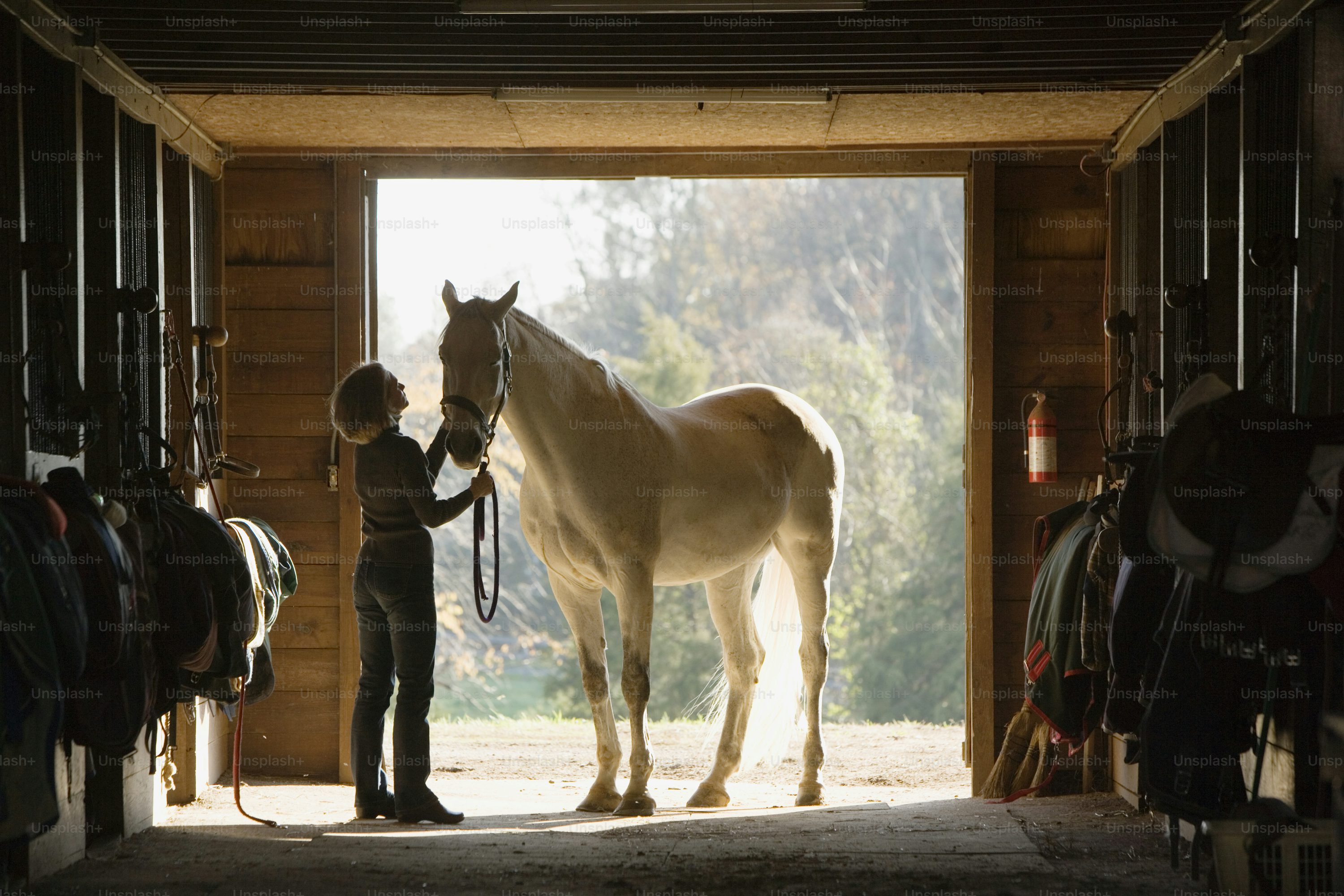
Draft a realistic daily schedule that includes warm-up, riding, cool-down, and rest time. Avoid over-scheduling. Leave buffer time for unexpected delays or horse fatigue.
Gather all health certificates, vaccination records, and import permits. Make digital copies and store them in a cloud folder accessible offline. Keep physical copies in a waterproof bag.
Check your trailer’s tires, lights, and brakes. Inspect your tack for wear and tear. Pack a repair kit with duct tape, zip ties, and spare reins. Ensure your horse is comfortable with the trailer before loading.
-
Vaccinations current and documented
-
Health certificates obtained
-
Transport booked and confirmed
-
Stable lodging reserved
-
Trailers and tack inspected
-
Weather forecast reviewed
-
Emergency vet contact saved
No comments yet. Be the first to share your thoughts!