
What stable travel means in 2026
Stable travel is a shift toward reliability, safety, and predictable costs. It distinguishes itself from the volatile, last-minute deal-hunting of previous years by prioritizing security and consistency. In 2026, travelers are choosing itineraries that minimize uncertainty over those that promise the lowest possible price at the risk of disruption.
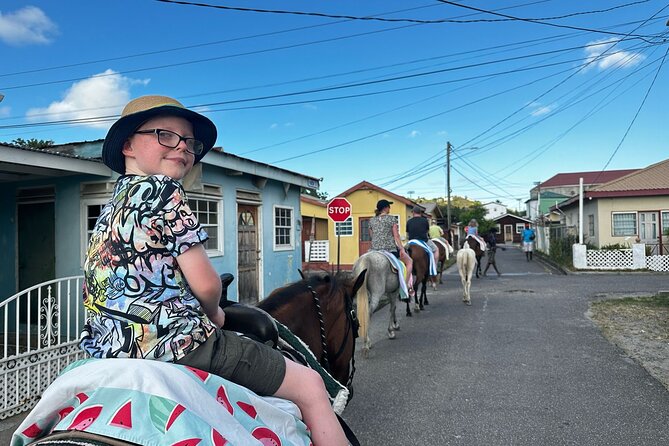
This approach values the known over the unknown. Instead of gambling on flash sales that might vanish or flights that could be canceled, stable travel focuses on booked-in-advance logistics, verified local operators, and destinations with consistent infrastructure. The goal is a trip that runs smoothly, where the primary variables are weather and mood, not logistics.
Callout: Stable travel prioritizes security and predictability over last-minute deals, reflecting a 2026 shift in traveler priorities.
The economic backdrop supports this trend. U.S. Travel Association forecasts show travel spending growth continuing at low but positive rates, suggesting consumers are spending carefully but consistently rather than pulling back entirely or splurging recklessly. This stability extends to safety, with the State Department maintaining worldwide caution advisories that make pre-planned, secure routes more attractive than spontaneous exploration in high-risk zones.
Ultimately, stable travel is about control. It is the decision to book the direct flight, stay in the well-reviewed neighborhood, and follow the established route. It is less about seeing everything and more about experiencing things without the underlying anxiety of the unknown.
Top destinations for stable travel
Finding stable travel options in 2026 means looking beyond headlines to regions with consistent security protocols and reliable infrastructure. The following destinations offer a mix of political stability, low crime rates, and well-established tourism frameworks, making them ideal for stress-free planning.
Japan
Japan remains a top choice for stable travel due to its exceptionally low crime rates and efficient public transit. The country’s infrastructure is resilient and well-maintained, ensuring smooth movement even during peak seasons. Visitors benefit from a culture of hospitality that prioritizes visitor safety and convenience.
Iceland
Iceland consistently ranks as one of the safest countries in the world, with a tight-knit community and low violent crime. Its stable political environment and robust emergency services provide a secure backdrop for exploring natural wonders. The small population density also means less congestion and a more predictable travel experience.
Portugal
Portugal offers a blend of European stability and affordable travel costs. Its political climate is calm, and the tourism sector is well-regulated, ensuring high standards for accommodations and services. The country’s compact size makes it easy to navigate, with reliable transport links connecting major cities and coastal areas.
New Zealand
New Zealand’s isolation contributes to its security, with strict border controls and a low crime rate. The country’s stable government and well-developed tourism infrastructure cater to both adventure seekers and those looking for relaxation. Travelers can expect clear signage, well-maintained roads, and responsive emergency services.
Canada
Canada’s vastness is balanced by its stable governance and low population density in many regions. The country’s diverse landscapes offer everything from urban sophistication to remote wilderness, all within a secure framework. Travelers appreciate the reliable public services and the welcoming attitude of local communities.
Booking strategies for 2026
Securing stable travel in 2026 requires shifting from reactive planning to proactive management. With global events influencing flight availability and hotel inventory, the old habit of booking last-minute is no longer a viable cost-saving strategy. Instead, treat your itinerary like a supply chain: lock in the non-negotiables early, build in buffer time, and verify every policy before you pay.
Lock in flights and accommodations early
The window for the best rates on international flights and popular hotels has narrowed. Data from recent travel trends indicates that travelers seeking affordability in 2026 are booking months in advance to secure flexible rates. Waiting for a sale often means paying a premium for convenience when inventory is low. Aim to book flights at least three to four months out for international trips and two months for domestic ones. For accommodations, choose refundable options initially; this protects your budget if plans shift.
Verify visa and entry requirements
Stable travel depends on documentation. Before you book a single ticket, check the entry requirements for every country on your itinerary. Visas can take weeks to process, and some destinations have introduced new digital entry forms or health declarations for 2026. A delay in passport renewal or visa approval can derail an entire trip. Use the official government travel advisory site for your country to check for security alerts or entry restrictions specific to your destination.
Build a flexible booking framework
Flexibility is your primary defense against instability. When booking, prioritize airlines and hotels with clear change policies. Avoid non-refundable rates unless the price difference is significant and your plans are set in stone. If you must book a non-refundable rate, consider purchasing travel insurance that covers trip interruption or cancellation. This allows you to pivot if a flight is canceled or a destination becomes unsafe without losing your entire investment.
Manage costs with smart timing
Cost management isn't just about the ticket price; it's about the total cost of the trip. Avoid booking during peak local holidays or major events in your destination, as prices for everything from taxis to restaurants spike. Use fare comparison tools to track prices over time, but don't obsess over dropping by a few dollars. The stability of having a confirmed booking often outweighs the marginal savings of waiting for a potential price drop.
Pre-trip stability checklist
Use this checklist to ensure your booking is robust before you depart.
Comparison: Booking Strategies
| Strategy | Best For | Risk Level | Flexibility |
|---|---|---|---|
| Early Non-Refundable | Fixed dates, budget travelers | High | Low |
| Early Refundable | Uncertain plans, peace of mind | Low | High |
| Last-Minute | Spontaneous travelers, flexible dates | Medium | Medium |
| Package Deals | All-inclusive resorts, simple planning | Medium | Low |
Final booking steps
Once you have selected your options, review every detail. Check the baggage allowances, the change fees, and the cancellation deadlines. A small oversight in the fine print can turn a stable trip into a financial headache. Keep all confirmation emails in a dedicated folder and print a hard copy as a backup. This preparation ensures that when 2026 brings unexpected changes, you are ready to adapt without stress.
Safety and security updates
Traveling in 2026 requires checking current advisories before booking. The U.S. Department of State maintains a global travel advisory system that updates in real time based on geopolitical shifts, natural disasters, and health concerns. For most destinations, the risk level remains low, but specific regions require heightened awareness.
Currently, the State Department advises exercising increased caution in parts of the Middle East due to ongoing regional instability. Travelers in these areas should monitor security alerts issued by the nearest U.S. embassy or consulate. For the rest of the world, standard precautions apply: register your trip with the Smart Traveler Enrollment Program (STEP) and keep digital copies of your passport and insurance documents.
The safest countries for 2026, according to global peace indexes, include Iceland, Japan, and Canada. These destinations offer robust infrastructure and low crime rates, making them ideal for first-time international travelers or families. If you are planning a trip to these regions, you can proceed with confidence, provided you stay informed about local customs and emergency protocols.
Always verify entry requirements and health guidelines before departure. Vaccination rules and visa policies change frequently, and relying on outdated information can lead to denied entry or health risks. Use official government sources like travel.state.gov for the most accurate and timely updates.
No comments yet. Be the first to share your thoughts!