
10 Best Countries for a 2026 Digital Nomad Visa
Navigating the 2026 digital nomad visa landscape requires precise adherence to strict legal and tax frameworks to avoid severe penalties. We prioritize official government sources to identify the top ten countries offering compliant pathways for remote workers.
1. Spain's digital nomad visa tax benefits
The Beckham Law offers a flat 24% income tax rate for the first four years, significantly lower than standard progressive rates. This fiscal advantage attracts high earners, though strict residency requirements apply. Ensure your remote work is for non-Spanish clients to qualify. Verify current regulations on the Spanish Ministry of Inclusion website to avoid compliance pitfalls.

2. Portugal's D8 visa stability and costs
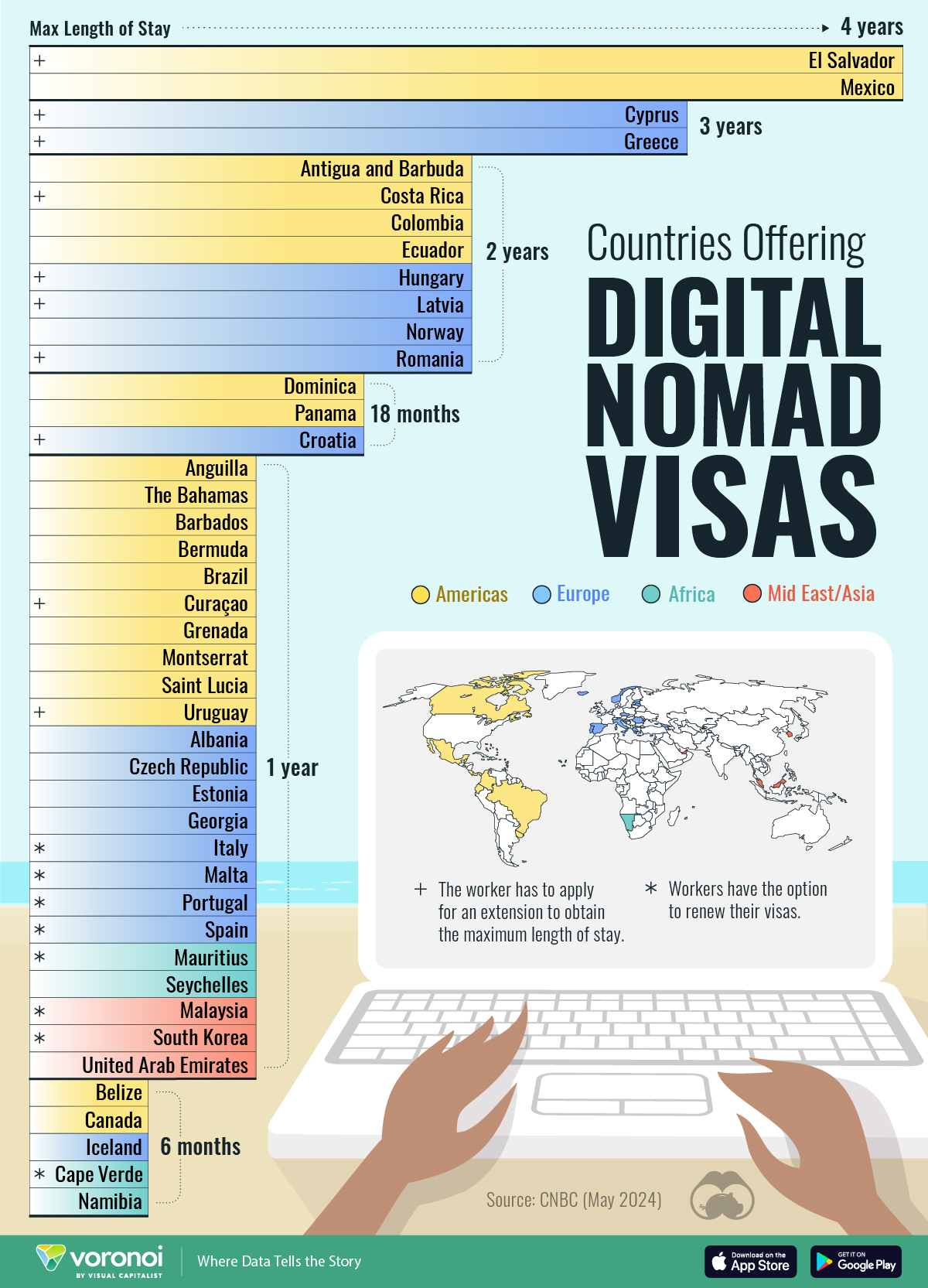
Portugal’s D8 visa provides a clear pathway to residency, though recent cost-of-living spikes challenge affordability. Applicants must prove sufficient financial means and secure accommodation. The process is streamlined but requires precise documentation. Consult Portugal’s SEF portal for updated income thresholds and banking requirements to ensure a smooth application without unexpected delays.
3. Croatia's digital nomad residency requirements
Croatia offers a temporary residence permit specifically for remote workers, valid for one year with renewal options. Applicants need proof of income exceeding the average local salary and comprehensive health insurance. The process is efficient, but strict adherence to document formatting is crucial. Check the Ministry of Interior website for the latest list of accepted financial statements and insurance providers.

4. Estonia's e-Residency program integration
Estonia’s e-Residency is a digital identity for business, not a residence permit. It allows remote company management within the EU but requires separate physical residency for living. This distinction is critical for legal compliance. Use the e-Residency portal to establish your company, then consult official immigration sources if you plan to reside physically in Estonia long-term.

5. Greece's digital nomad visa pathways
Greece introduced a dedicated digital nomad visa with a simplified application process and favorable tax incentives for new residents. The visa allows stays up to two years, with options for renewal. Applicants must demonstrate stable remote income and secure local housing. Review the Hellenic Republic’s official immigration portal for precise income thresholds and required notarized documents to ensure validity.

6. Thailand's LTR visa eligibility
Thailand’s Long-Term Resident visa targets high-skilled professionals and wealthy retirees, offering a streamlined path to residency. Unlike standard tourist visas, this category demands rigorous proof of professional expertise or significant financial assets. Legal counsel is essential to plan around the complex income thresholds and background checks required for approval in this high-stakes immigration framework.
7. Mexico's temporary resident visa process
Mexico’s temporary resident visa serves as the foundational step for long-term stays, requiring applicants to demonstrate stable financial means through savings or monthly income. The process involves obtaining a visa at a consulate abroad before entering Mexico, followed by biometric registration with immigration authorities. This structured pathway ensures compliance with local residency laws before extending your stay annually.

8. Malaysia's DE Rantau pass details
Malaysia’s DE Rantau Digital Nomad Pass offers a 12-month residency for remote workers, requiring a monthly income threshold and valid health insurance. The application is entirely digital, simplifying the entry process for tech professionals. However, strict adherence to tax residency rules and local labor laws remains critical to avoid legal complications while working remotely from this Southeast Asian hub.
9. Costa Rica's Rentista visa options
The Costa Rican Rentista visa caters to individuals with passive income, requiring a guaranteed monthly deposit into a local bank account for a year. This option provides a clear legal pathway for freelancers with steady remote earnings, but it demands meticulous financial documentation. Consulting a local attorney ensures proper fund placement and compliance with evolving immigration regulations.
10. UAE's remote work visa rules
The UAE’s remote work visa allows foreigners to live in Dubai or Abu Dhabi while employed abroad, requiring a minimum monthly salary and health insurance. This program offers a gateway to the Middle East but carries significant tax and legal implications. Professional legal advice is mandatory to plan around the specific sponsorship requirements and ensure full compliance with local employment statutes.

How we picked the top 10
We ranked these destinations using hard data from the 2026 Digital Nomad Visa Index and official government immigration portals. The selection prioritizes tax efficiency, cost of living, and visa stability. We excluded countries with opaque residency requirements or frequent policy shifts, as legal uncertainty poses a significant risk to remote workers.
Our criteria focus on three pillars: income thresholds, tax treatment, and processing reliability. We verified income requirements against primary government sources to ensure accuracy. For tax analysis, we consulted official tax authority guidelines and reputable expat resources to identify jurisdictions with favorable non-habitual resident schemes or zero-income-tax regimes.
| Criterion | Weight | Source Verification |
|---|---|---|
| Income Thresholds | High | Official government immigration sites |
| Tax Treatment | High | National tax authority guidelines |
| Cost of Living | Medium | Numbeo and local expat surveys |
| Visa Stability | Medium | Historical policy change analysis |
Note: Visa policies change frequently. Always verify current income thresholds and tax treaties with official government sources before applying.
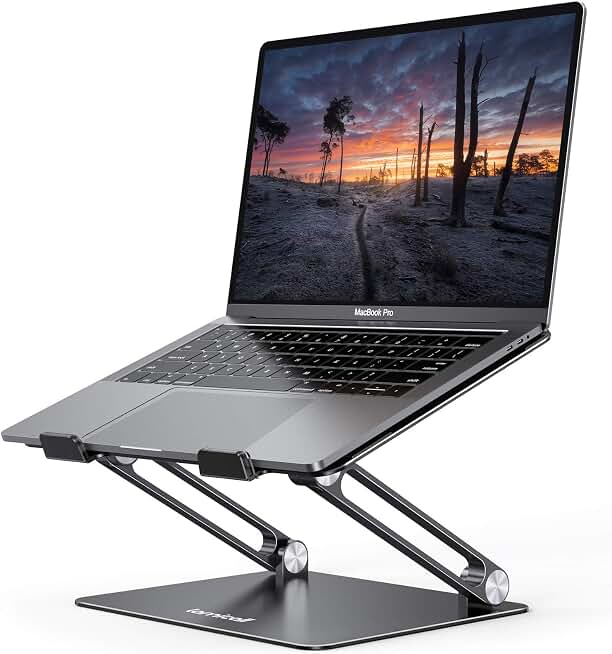
Beyond the visa mechanics, we evaluated the practical reality of living in each country. This includes internet reliability, healthcare access, and community infrastructure. We also considered the availability of essential tools for remote work, such as ergonomic equipment and reliable tech gear, which are critical for maintaining productivity abroad.


As an Amazon Associate, we may earn from qualifying purchases.
This methodology ensures that the top 10 list reflects not just legal eligibility, but long-term viability. We aim to provide a clear, actionable guide for those navigating the complex landscape of digital nomad visas.
Compare visa requirements side by side
Choosing the right jurisdiction requires more than comparing monthly rent. You must weigh income thresholds, tax residency triggers, and renewal windows against your actual work structure. The table below outlines the core regulatory differences for ten popular destinations. Treat these figures as a starting point; immigration rules shift frequently, and misinterpreting a tax treaty can lead to double taxation or visa revocation.
| Country | Min. Income | Duration | Tax Status |
|---|---|---|---|
| Portugal | €3,480/mo | 1 year | |
| Spain | €2,600/mo | 1 year | |
| Estonia | €4,507/mo | 1 year | |
| Greece | €3,500/mo | 2 years | |
| Thailand | ฿80,000/mo | 1 year | |
| Croatia | €2,300/mo | 1 year | |
| Germany | €2,800/mo | 1 year | |
| Mexico | $3,600/mo | 1 year | |
| Costa Rica | $3,000/mo | 1 year | |
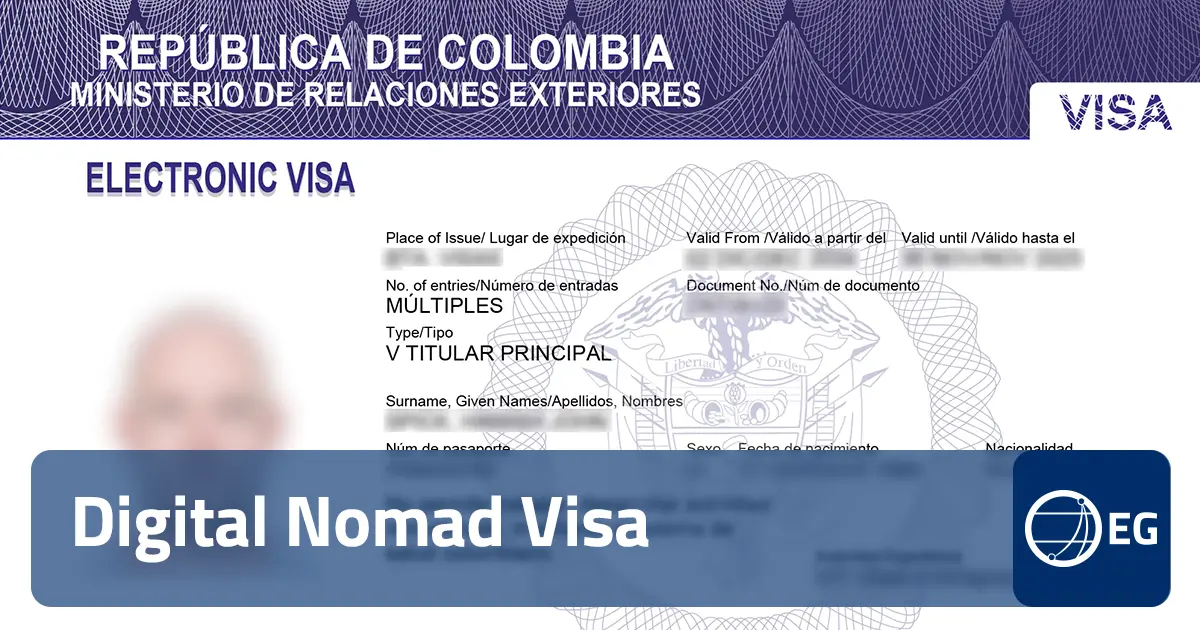
| Colombia | $900/mo | 1 year |
Legal and fiscal implications vary significantly even among similar programs. For instance, Spain’s non-lucrative and digital nomad frameworks have different tax residency implications that can affect your global income. Always verify current requirements on official government immigration portals before submitting applications.


As an Amazon Associate, we may earn from qualifying purchases.
Checklist for your visa application
Digital nomad visas are not tourist permits; they are legal instruments with strict compliance requirements. A single missing document can result in immediate rejection, forcing you to restart the process from scratch or face entry bans. Treat this application with the same rigor as a corporate merger. You are proving to a sovereign state that you are a self-sufficient, law-abiding asset, not a burden.
Start by securing a certified translation of your civil documents. Spanish, Portuguese, and Greek consulates often require documents translated by a sworn translator (traductor jurado) in the destination country. Do not rely on generic online translations. If you are applying for the Spain Telework Visa, expect to pay approximately $190 in consular fees for U.S. citizens, but ensure your criminal background checks are less than three months old and apostilled.
Next, prepare your financial proof. Banks and governments want to see liquid assets, not just salary slips. Generate a PDF bank statement showing consistent income over the last 3-6 months. For high-stakes applications, consider using a portable scanner to create high-resolution, legible scans of every page. Blurry scans are the leading cause of administrative delays.
Finally, organize your digital and physical files. Use a secure, encrypted cloud folder to store originals and backups. Consular officers may ask for digital copies before your in-person appointment. Keep your physical passport, apostilled documents, and certified translations in a waterproof document holder when traveling to the embassy. Losing these papers in transit can derail your entire move.
Obtain your birth certificate, marriage certificate (if applicable), and criminal background check. Ensure all documents are apostilled under the Hague Convention. Some countries require these to be less than 3-6 months old at the time of submission.

Hire a sworn translator (traductor jurado) in the destination country. Generic translations are often rejected by consulates in Spain, Portugal, and Greece. Verify specific language requirements for each country you target.
Gather 3-6 months of bank statements and employment contracts. Ensure your income meets the specific multiplier (e.g., 200% of IPREM in Spain) required by the visa type. Include proof of remote work arrangements.
Check the current consular fee schedule. For example, Spain’s telework visa fee for U.S. citizens is $190. Pay via the accepted method (often bank transfer or consular check) and keep the receipt.
Submit your application in person or via the designated online portal. Keep a digital copy of every submission. Track your application reference number closely, as processing times can vary from 1 to 3 months.


As an Amazon Associate, we may earn from qualifying purchases.
Frequently asked: what to check next


As an Amazon Associate, we may earn from qualifying purchases.
No comments yet. Be the first to share your thoughts!