
10 Best Countries for Digital Nomad Visas in 2026
Navigating global mobility in 2026 requires precise compliance with evolving immigration frameworks. We evaluate the top destinations for digital nomad visas based on official government criteria and regulatory stability.
1. Spain Digital Nomad Visa Requirements
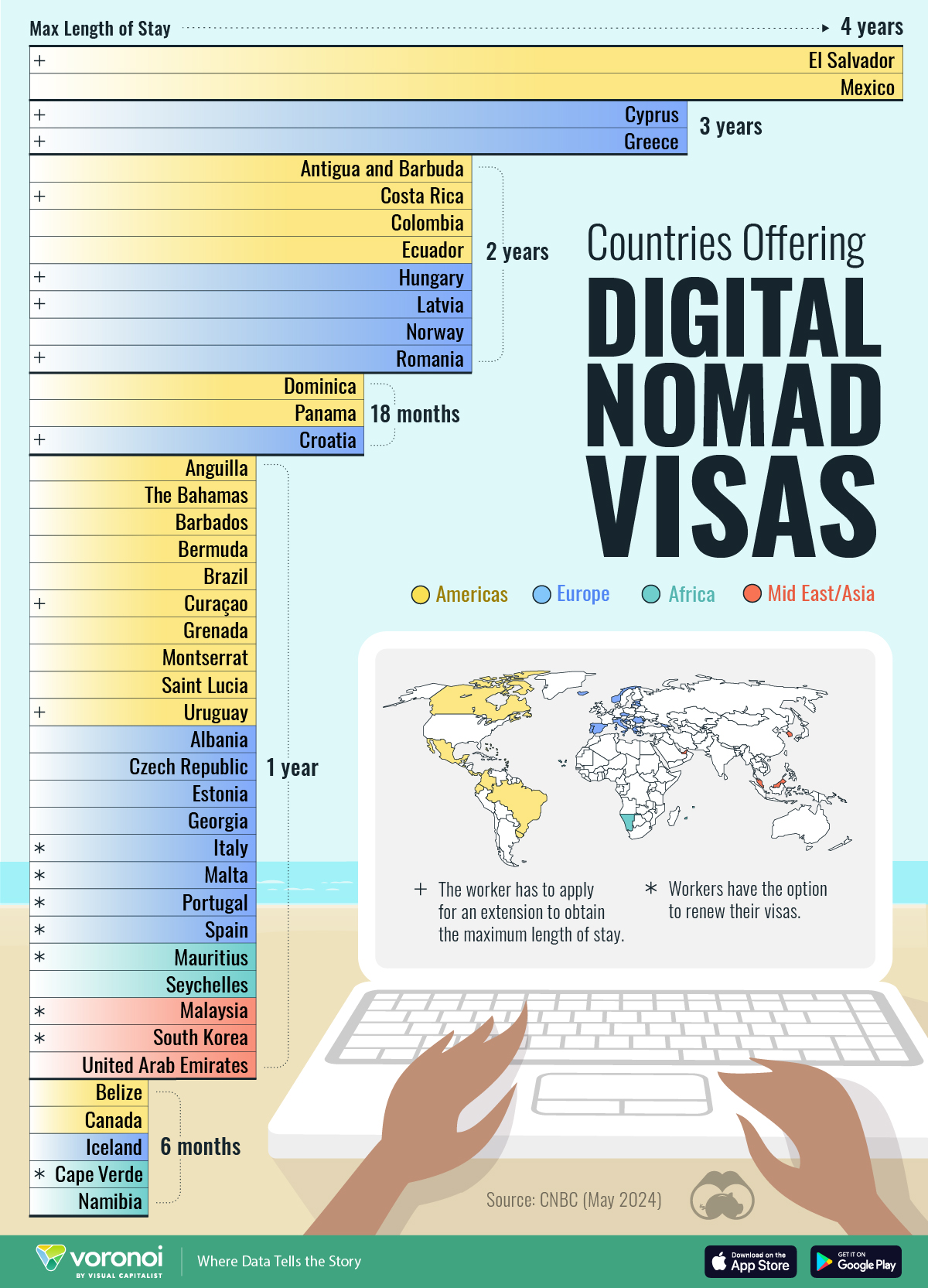
Spain’s non-lucrative visa path now welcomes remote workers with a streamlined application for those earning over €2,600 monthly. Applicants must prove clean criminal records and comprehensive health insurance. The initial permit lasts one year, renewable for up to five years, offering a stable base in vibrant cities like Barcelona and Madrid for long-term stays.

2. Portugal D8 Visa Application Process
Portugal’s D8 visa requires a minimum monthly income of roughly €3,280, ensuring financial self-sufficiency without local employment. Applicants submit biometric data and proof of accommodation through consulates in their home country. This route offers a clear path to residency, making it ideal for freelancers and remote employees seeking EU access with manageable bureaucratic hurdles.

3. Croatia Temporary Stay for Remote Workers
Croatia introduced a specific temporary stay permit for remote workers, valid for one year and renewable. Applicants need a contract with a foreign employer or proof of freelance income exceeding €2,300 monthly. This option provides access to stunning coastal living without the full commitment of permanent residency, serving as an excellent summer base for European travelers.
4. Greece Digital Nomad Visa Eligibility
Greece offers a one-year digital nomad visa requiring a minimum annual income of €35,000 for the main applicant. Remote workers must demonstrate a stable employment contract or freelance history. The visa allows family reunification and provides tax incentives for new residents, making Athens and the islands an attractive hub for high-earning professionals seeking Mediterranean lifestyle benefits.

5. Estonia e-Residency and Nomad Visa
Estonia combines digital governance with a specific digital nomad visa, allowing remote workers to stay for up to one year. Applicants must earn at least €4,500 monthly and prove employment outside Estonia. The e-Residency program complements this by providing digital identity for business management, creating a unique tech-friendly environment for entrepreneurs and IT professionals.
6. Thailand Smart Visa for Tech Experts
Thailand’s Smart Visa targets high-skilled professionals in targeted industries like digital technology and innovation. This premium pathway offers up to four years of residency with exemptions from standard work permit requirements and immigration reporting. It is designed for experts who can drive economic growth through specialized technical knowledge and investment capabilities.
7. New Zealand Remote Work Visa
New Zealand offers the Work and Holiday Visa or specific remote work arrangements for digital nomads seeking a high quality of life. This option allows remote workers to stay for up to 12 months while earning income from overseas employers. The program emphasizes safety, clean environments, and robust infrastructure for those who wish to work remotely amidst stunning natural landscapes.

8. Malta Nomad Creative Residence Permit
Malta provides a specialized residence permit for remote workers, particularly those in creative and digital sectors. This permit allows stays of up to one year, renewable, with access to the Schengen area. It requires proof of stable remote income and health insurance, making it an attractive option for freelancers and digital creatives seeking a European base with a warm climate and English-speaking environment.

9. Australia Temporary Skill Shortage Visa
Australia’s Temporary Skill Shortage (TSS) visa targets skilled workers in shortage occupations, including certain tech roles. While not exclusively a nomad visa, it allows eligible professionals to live and work in Australia for up to four years. This pathway is ideal for those with job offers from Australian employers in sectors facing labor shortages, providing a route to potential permanent residency.

10. Costa Rica Digital Nomad Visa
Costa Rica’s Digital Nomad Visa allows remote workers to reside in the country for up to one year, renewable. Applicants must prove a stable monthly income from foreign sources and maintain valid health insurance. This visa is popular for its focus on sustainability, biodiversity, and a relaxed lifestyle, appealing to nomads who prioritize environmental consciousness and outdoor activities alongside their remote work.
How we picked the 2026 list
We built this list using three filters: legal stability, visa accessibility, and remote-work infrastructure. The goal is to show you countries where you can work without worrying about sudden policy changes or unreliable internet.
We focused on nations with established, official digital nomad visa frameworks. As noted in the EY Global Immigration Index, the landscape is shifting with new entrants like Bolivia and Senegal preparing launches. We prioritized countries with clear, stable rules over those with ambiguous or temporary permits.
Note on methodology: We prioritize countries with established, official digital nomad visa frameworks and stable political environments for 2026.
We also checked for practical realities. A visa is only useful if you can actually work. We looked at internet speeds, co-working density, and ease of banking. If a country has a great visa but slow internet, it didn't make the cut.
This approach helps you avoid the "visa trap"—where the paperwork is easy, but the actual work life is impossible. We want you to land in a place that supports your job, not just your legal status.
Compare visa requirements side by side
Choosing the right destination often comes down to three practical constraints: how much you earn, how long you can stay, and how much tax you keep. Use this comparison to filter the top options quickly.
| Country | Min. Income (USD/mo) | Visa Duration | Tax Status |
|---|---|---|---|
| Portugal | 3,480 | 1 year | NHR (potential 20% flat) |
| Spain | 2,400 | 1 year | Beckham Law (24% flat) |
| Croatia | 2,700 | 1 year | Tax exemption for 10 years |
| Estonia | 4,507 | 1 year | No tax on foreign income |
| Thailand | 800 | 1 year | Tax resident if >183 days |
| Greece | 3,500 | 2 years | 50% reduction for 7 years |
Income thresholds vary based on whether the requirement is monthly or annual. Most countries require proof of stable remote employment or freelance contracts. Tax implications are the most complex variable; some nations offer temporary exemptions, while others tax worldwide income once you become a resident.
Essential gear for your nomad setup
Your digital nomad visa is only as good as your internet connection, and a shaky signal can turn a dream destination into a logistical nightmare. Packing light doesn't mean packing less; it means packing smarter. The right gear ensures you can work from a beach bar in Croatia or a cafe in Lisbon without missing a beat.
Start with a reliable laptop that handles video calls and heavy workloads without draining its battery in two hours. Pair it with a portable Wi-Fi router, which often outperforms hotel Wi-Fi or local SIM cards in areas with spotty infrastructure. Finally, never leave home without a universal travel adapter with surge protection. These three items form the backbone of a remote work setup that can withstand the unpredictability of international travel.


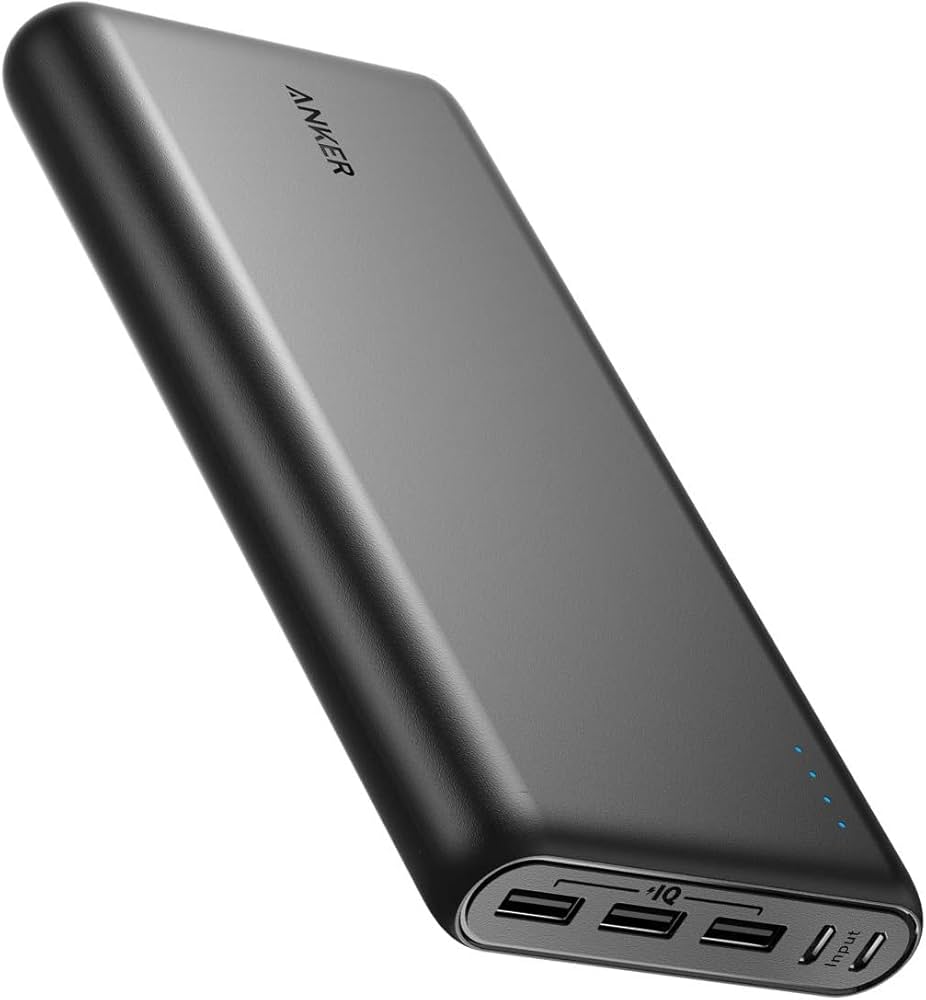

As an Amazon Associate, we may earn from qualifying purchases.
Checklist for applying to digital nomad visas
Securing a digital nomad visa requires precise documentation and adherence to strict eligibility criteria. Because processing times and financial thresholds vary significantly by country, treating your application like a standardized project is the only way to avoid rejection.
The application process generally follows a predictable sequence, but the specific requirements for each step are non-negotiable. Missing a single notarized page or failing to meet the minimum income proof can result in immediate denial or months of delays. Use the following steps to organize your materials before you submit your application.
Most countries require proof of stable remote income, typically ranging from $2,000 to $4,000 per month. Gather recent bank statements, employment contracts, or client invoices that clearly show your earnings. Ensure these documents are dated within the last three months to prove current financial stability.
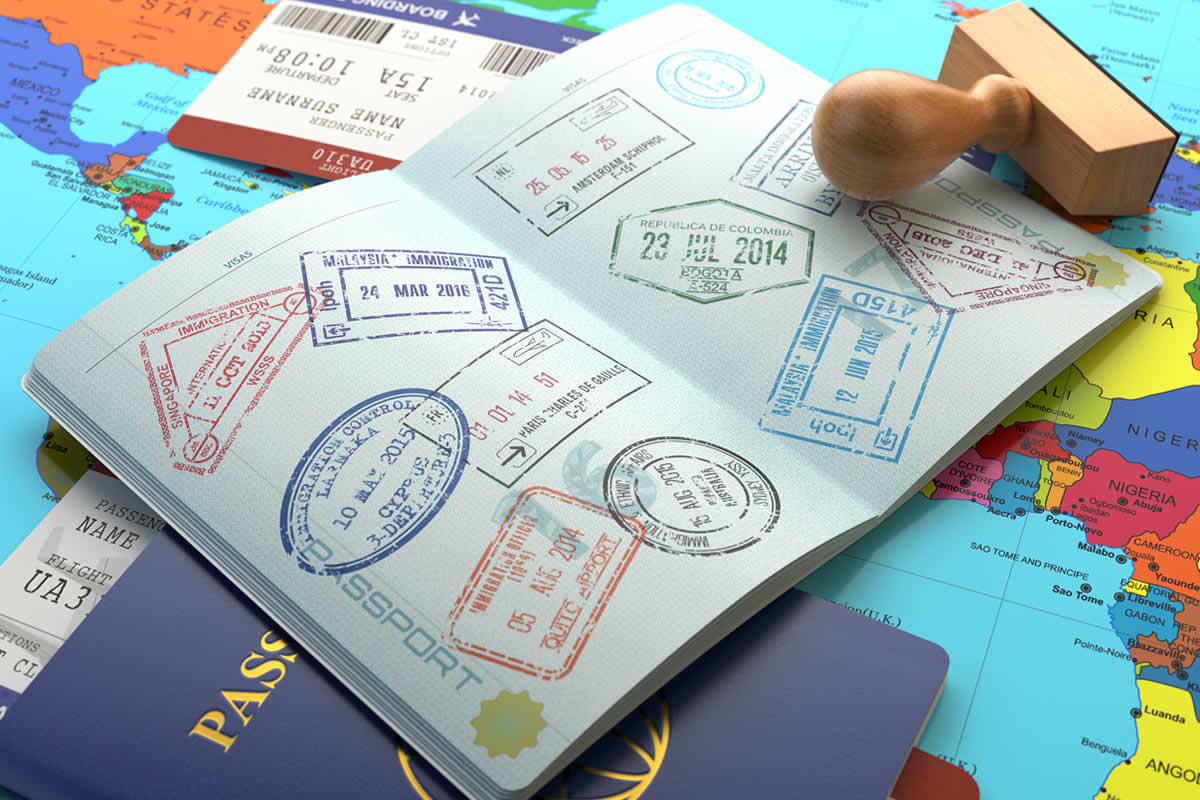
Standard scans are rarely accepted. You must provide notarized copies of your passport, police clearance certificates, and proof of health insurance. Some jurisdictions, like Spain or Croatia, require these documents to be apostilled or translated by a sworn translator. Start this process early, as certification can take weeks.
Fill out the government’s specific visa application form with extreme care. Discrepancies between your form and supporting documents are a common reason for rejection. Double-check your passport number, travel dates, and intended address in the host country. Accuracy is more important than speed here.

Submit your application through the designated portal or consulate. Keep a digital and physical copy of your submission receipt. Processing times vary from two weeks to three months, so do not book non-refundable flights until you receive the visa approval notice or entry stamp.
No comments yet. Be the first to share your thoughts!