
10 Best Countries for a Digital Nomad Visa in 2026
The 2026 digital nomad visa landscape has shifted significantly, with regulatory frameworks in top destinations tightening or evolving. This guide highlights ten countries offering viable pathways, but given the high-stakes legal implications, always verify current requirements and consult a tax professional before making any commitments.
1. Spain digital nomad visa requirements
Spain’s Digital Nomad Visa demands proof of stable remote employment or freelance contracts, alongside a minimum monthly income threshold that adjusts with family size. Applicants must demonstrate clean criminal records and valid health insurance. Recent 2026 updates streamline tax residency exemptions for the first four years, though local municipal registration remains mandatory for legal compliance.

2. Portugal D8 visa cost of living
Portugal’s D8 visa requires proving sufficient funds, currently set at roughly four times the minimum wage, to cover your stay without local employment. Lisbon and Porto present steep housing costs, whereas inland regions offer significantly lower monthly expenses. Always consult a tax advisor regarding the Non-Habitual Resident regime, as 2026 regulations may alter benefit structures.

3. Croatia temporary residence permit rules
Croatia offers a temporary residence permit for remote workers, requiring proof of accommodation and sufficient financial means for the entire duration. The application process involves submitting documents to the local police administration, often necessitating translation and notarization. 2026 rules emphasize strict adherence to health insurance coverage and clear employment contracts with non-Croatian entities.

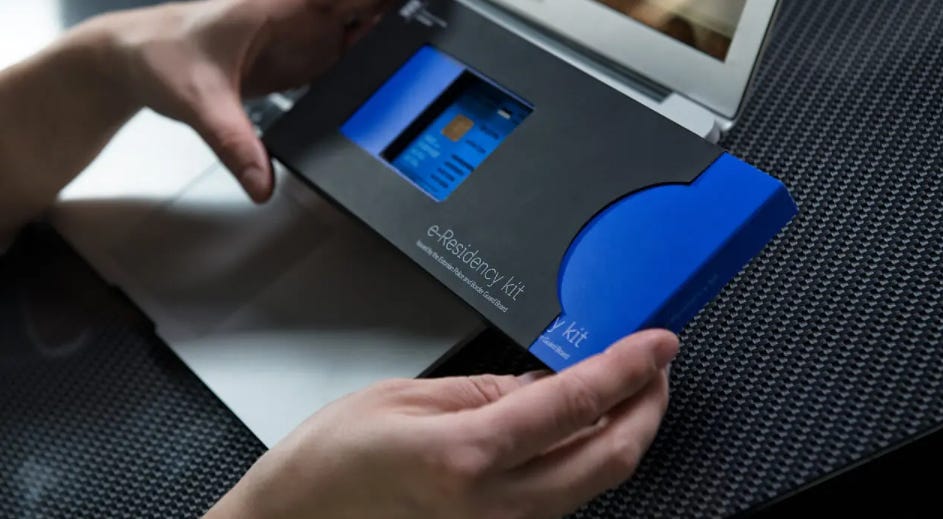
4. Estonia e-Residency program benefits
Estonia’s e-Residency provides a digital identity for establishing and managing an EU-based online business, distinct from physical residency or tax obligations. It facilitates paperless administration, banking, and signing legally binding documents. While it does not grant visa rights, it serves as a powerful tool for digital nomads structuring their business operations within the European Union framework.
5. Thailand LTR visa eligibility
Thailand’s Long-Term Resident (LTR) Visa targets wealthy pensioners, UHNW individuals, and specific skilled professionals, requiring substantial financial deposits or high annual incomes. Eligibility hinges on meeting strict health and security criteria, with a focus on attracting high-value contributors to the Thai economy. The 2026 framework maintains rigorous documentation standards for proof of funds and clean criminal records.

6. Greece digital nomad tax incentives
Greece offers a 50% tax exemption on foreign-sourced income for digital nomads under its specific fiscal regime, a significant draw for remote workers seeking European residency. This incentive applies to those who do not hold Greek tax residency elsewhere. Always verify current eligibility thresholds and duration limits with a qualified tax advisor, as regulatory frameworks evolve frequently to meet EU standards and local economic goals.

7. Malaysia MM2H program updates
Malaysia’s revamped Malaysia My Second Home (MM2H) program now emphasizes economic contribution over passive wealth, requiring higher financial thresholds and local spending commitments. The 2026 iteration targets skilled professionals and investors, streamlining approval for those who can demonstrate significant local economic impact. Applicants must carefully review the new deposit requirements and healthcare insurance mandates to ensure full compliance before submission.
8. New Zealand work visa criteria
New Zealand’s Accredited Employer Work Visa (AEWV) remains the primary pathway for digital nomads, requiring a job offer from an accredited employer. Recent 2026 updates tighten skill-level requirements and emphasize local labor market testing. Remote workers must secure employment before applying, making networking crucial. Consult an immigration advisor to understand the complex accreditation process and ensure your role meets the specific skill shortage lists.

9. Dominica citizenship by investment process
Dominica’s Citizenship by Investment (CBI) program offers a fast-track route to a powerful passport through a non-refundable contribution to the National Economic Fund or approved real estate. The 2026 process requires rigorous due diligence, including background checks and source of funds verification. This option provides visa-free travel but demands strict adherence to anti-money laundering protocols; professional legal counsel is essential to manage the application safely.
10. General visa legal compliance advice
Managing digital nomad visas requires meticulous attention to legal compliance, as overstaying or violating work restrictions can lead to deportation and future bans. Always consult a qualified immigration attorney to review your specific visa conditions, tax obligations, and healthcare coverage. Regulations change rapidly; relying on outdated blog posts or informal advice can result in severe legal and financial consequences for your remote career.

How we picked the top 10 destinations
Ranking the best countries for a digital nomad visa in 2026 requires looking beyond surface-level perks. We evaluated destinations based on three primary pillars: visa stability, tax friendliness, and community infrastructure. These factors determine whether a visa is a reliable long-term home or a temporary stopgap.
Visa stability measures how long the permit lasts, the ease of renewal, and the clarity of the application process. We favored visas that offer multi-year validity and straightforward conversion paths to residency. Tax friendliness assesses whether the country offers special regimes for remote workers, such as a non-habitual resident status or a flat tax rate, ensuring you aren't double-taxed on your remote income.
Finally, community support includes the availability of co-working spaces, reliable internet infrastructure, and the size of the existing expat network. While cost of living is important, it is secondary to legal security. A cheap visa that expires every six months creates unnecessary stress for remote professionals who need consistency.
Always consult a tax professional before relocating. Immigration laws change frequently, and individual circumstances vary. The rankings below reflect general trends for 2026, but specific eligibility requirements may differ based on your nationality and income source.
Compare visa costs and tax rules side by side
Choosing the right destination requires balancing upfront application fees, monthly income thresholds, and long-term tax liabilities. While some countries offer tax holidays to attract remote workers, others maintain standard income tax rates or require proof of substantial local economic contribution.
The table below outlines the primary financial requirements for the top 10 digital nomad visas in 2026. Income requirements are typically annual and must be demonstrated through bank statements or employment contracts. Tax rules vary significantly; always consult a qualified tax advisor before committing to residency in any of these jurisdictions.
| Country | Min. Annual Income | Visa Duration | Tax Treatment |
|---|---|---|---|
| Portugal | €3,040/mo | 1 year | NHR regime (2026 changes apply) |
| Spain | €2,400/mo | 1 year | Non-resident tax (24% flat) |
| Greece | €3,500/mo | 2 years | 50% tax exemption for 7 years |
| Estonia | €4,507/mo | 1 year | Taxed only on distributed income |
| Croatia | €2,430/mo | 1 year | Standard income tax applies |
| Thailand | $800/mo | 1 year | Taxed on income remitted to Thailand |
These figures represent minimum thresholds and are subject to change. Official government immigration portals should be consulted for the most current fee structures and legal advice.
Essential gear for your remote work setup
To ensure reliability while abroad, prioritize gear that minimizes failure points. Start with a robust laptop and a universal power adapter, then verify compatibility with local voltage standards before adding optional accessories. Test your setup in a low-stakes environment first to isolate potential issues.
Pause after each connection to ensure devices are recognized and drivers are updated. If a device fails to connect, restart the smallest affected component before moving deeper into troubleshooting. Keep your setup minimal and documented; record stable configurations before adding new items to maintain clarity and ease of recovery.
Checklist for Applying to a Digital Nomad Visa
Navigating visa requirements demands precision. Because immigration rules shift frequently, treat this checklist as a baseline for preparation, not a legal guarantee. Always verify the latest entry requirements directly with the official government portal of your target country.
Ensure your passport is valid for at least six months beyond your intended stay. Obtain certified translations for any non-English documents, such as birth certificates or police records, as many embassies reject unverified copies.
Most nations require proof of stable employment or freelance income, typically ranging from €2,700 to €3,000 monthly. Provide recent bank statements, employment contracts, or client invoices that clearly show your remote work status and consistent earnings.

Many countries mandate private health insurance that covers the entire duration of your stay. Ensure the policy includes repatriation and covers pre-existing conditions if applicable, as gaps in coverage are a common reason for visa denial.
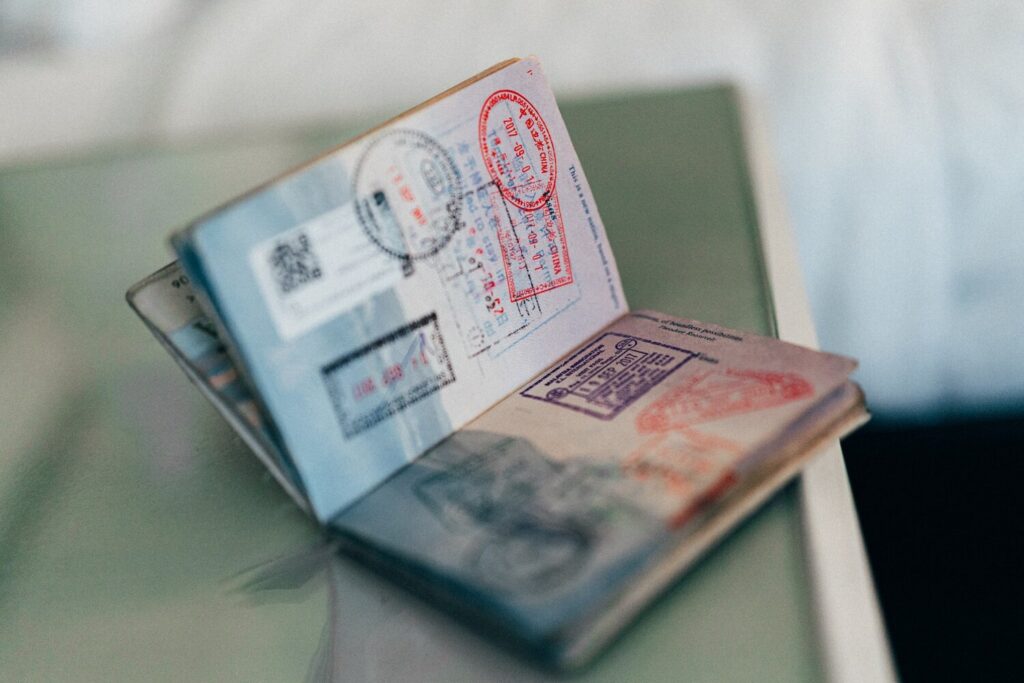
Fill out the specific government forms accurately. Inconsistencies between your application, supporting documents, and passport details often trigger delays or rejections. Pay attention to processing times, which can range from two weeks to several months.
Important: Visa regulations are subject to change without notice. This guide provides general steps for 2026, but you should consult an immigration attorney or the official embassy website for advice specific to your citizenship and destination.
Helpful gear
Use these product recommendations as a starting point, then choose the size, material, and price point that fit how you actually use the gear.


As an Amazon Associate, we may earn from qualifying purchases.
No comments yet. Be the first to share your thoughts!