
Top equestrian destinations for 2026
The shift toward slow travel in 2026 has redefined equestrian tourism, moving the focus from high-intensity competition to immersive trail experiences and heritage accommodation. Travelers are increasingly seeking destinations where the rhythm of the ride matches the pace of the landscape, prioritizing connectivity with nature over structured itineraries.
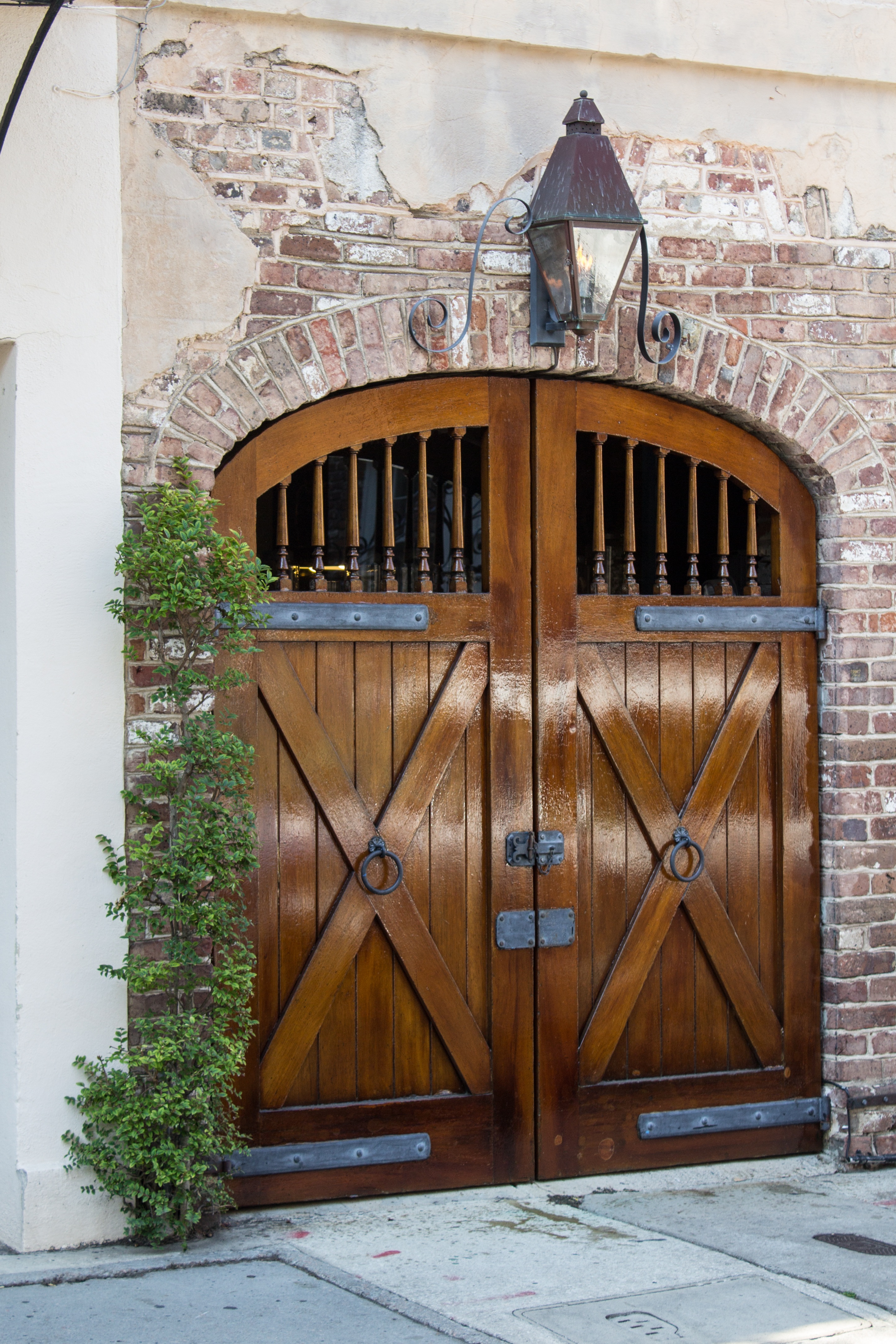
Scotland: The Highlands and Islands
The Scottish Highlands offer a rugged, atmospheric counterpoint to traditional riding. With extensive public access rights and vast, untamed moorlands, riders can traverse heather-covered peaks and coastal paths that feel disconnected from the modern world. Recent investments in equestrian-friendly infrastructure have made remote lodges more accessible, allowing for multi-day treks without sacrificing comfort.
Andalusia: Heritage and Flamenco
Andalusia remains the spiritual home of classical horsemanship, where the legacy of the Andalusian horse intersects with deep cultural traditions. Beyond the renowned riding schools in Jerez and Seville, the region’s vast network of fincas offers authentic stays. The mild 2026 climate favors early morning rides through olive groves, followed by afternoons exploring historic white villages (pueblos blancos).
New Zealand: Fiordland and Central Otago
For those prioritizing diverse terrain, New Zealand provides an unparalleled variety of trail conditions. Fiordland’s rainforests and Central Otago’s golden tussock lands offer distinct riding experiences within short distances. The country’s strict biosecurity and well-maintained track systems ensure safety, while the growing number of horse-friendly lodges caters specifically to international equestrian tourists seeking solitude and grand scenery.
Choosing the right stable for visitors
Selecting a stable is less about finding the most expensive resort and more about matching the facility’s daily rhythm to your riding ability. A mismatch here can turn a relaxing vacation into a stressful workout, whether you are a beginner needing gentle, schoolmaster horses or an advanced rider seeking technical trail work.
Start by assessing your skill level against the stable’s horse temperament. Boutique stables in places like Jackson Hole often specialize in beginner-friendly, calm horses with paved arena footing, making them ideal for first-time riders. In contrast, full-service ranches in Montana or Wyoming may offer more challenging terrain and spirited horses suited for experienced equestrians who can handle long, rugged trail rides.
Next, evaluate the facility amenities that support your comfort and safety. Look for stables with clean, spacious tack rooms and dedicated wash racks. These details matter significantly when you are spending hours in the saddle; a well-maintained wash rack allows you to cool down horses properly after a ride, while a secure tack room ensures your gear stays dry and organized.
To help you decide, compare the key differences between the two main types of equestrian accommodations:
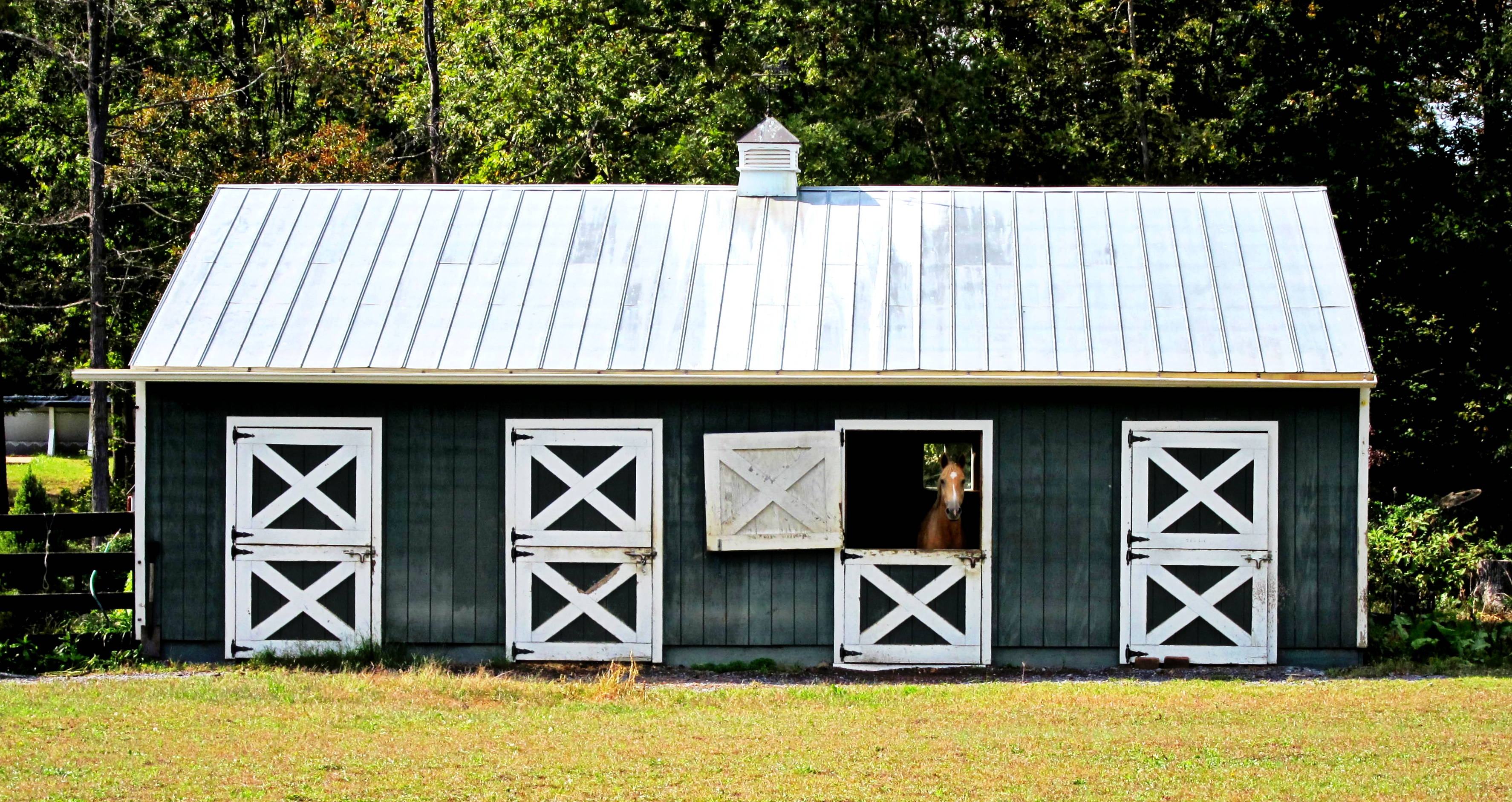
| Type | Cost Range | Guidance Level | Key Amenities |
|---|---|---|---|
| Full-Service Ranch | $$$-$$$$ | High (dedicated wranglers) | Stables, dining, laundry |
| Boutique Stable | $$-$$$ | Medium (instructors) | Wash racks, tack rooms |
| Farm Stay | $$ | Low (self-guided) | Basic paddocks |
| Resort Equestrian | $$$$-$$$$$ | Very High (private lessons) | Spa, fine dining, arena |
Boarding horses while traveling
Finding a reliable place to leave your horse while you enjoy your vacation is the anchor of any equestrian trip. Whether you are heading to the rolling hills of Kentucky or the coastal trails of California, your horse needs a familiar routine and a qualified caretaker. You have two main paths: using a partner stable from your home barn or booking a local boarding service at your destination.
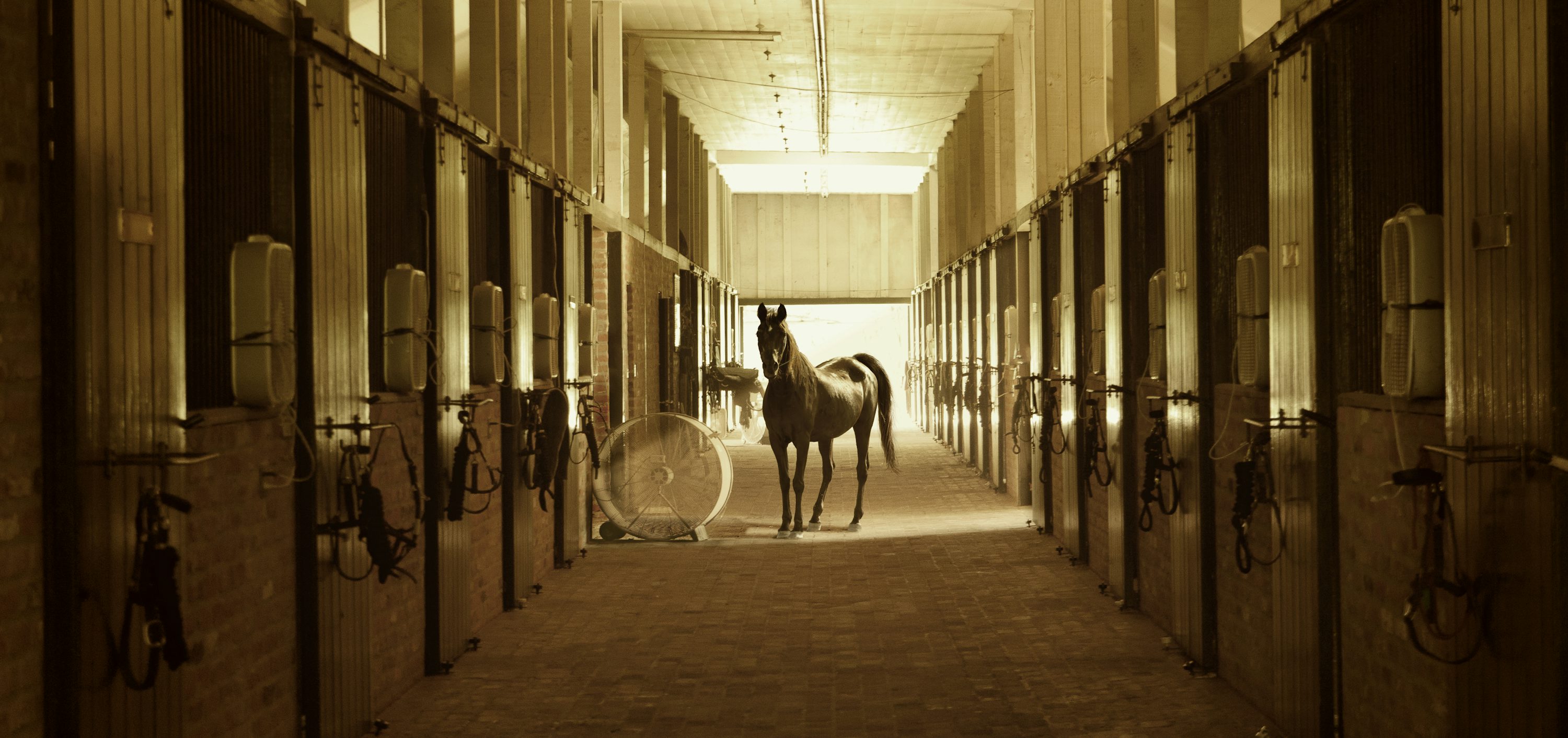
Most established barns maintain a network of trusted partner stables across the country. Reach out to your trainer or barn manager at least six weeks before departure. They can often secure a spot for your horse at a facility that already knows your horse’s specific feed, shoeing schedule, and behavioral quirks. This continuity reduces stress for both you and your animal.
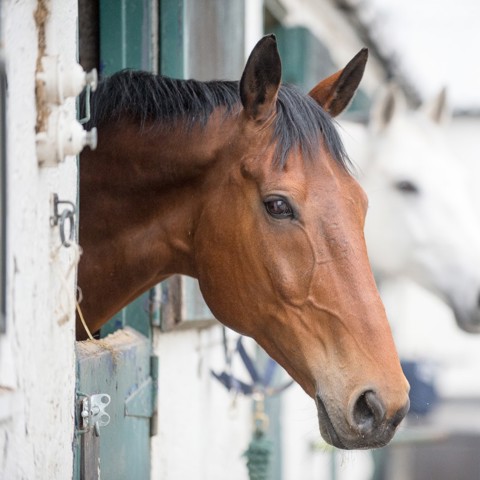
If your home barn doesn’t have a partner in the area, research local boarding stables in your destination city. Look for facilities with high ratings on equestrian-specific platforms or local riding club associations. Call the barn owner directly to discuss your horse’s needs. Ask about stall size, turnout options, and whether they offer trail access. A facility that matches your horse’s energy level and exercise needs is essential for a smooth stay.
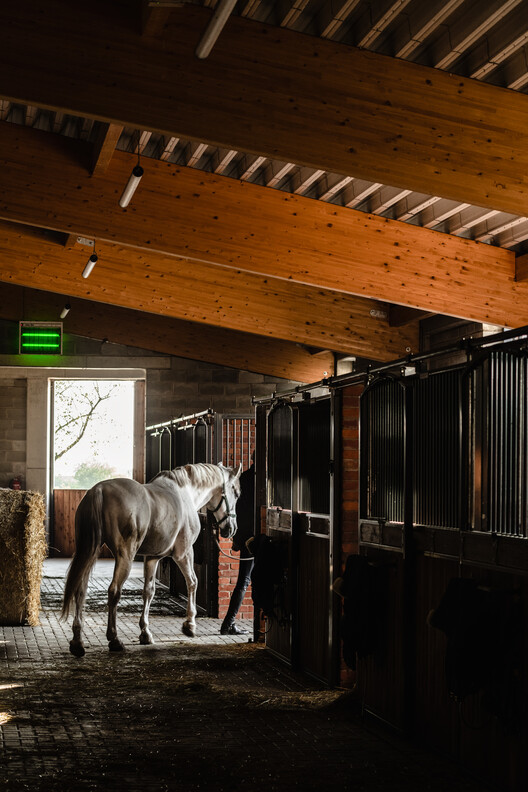
Create a comprehensive care sheet that covers every aspect of your horse’s daily routine. Include specific feeding instructions, medication dosages, and any behavioral triggers. Attach up-to-date health records, including Coggins tests and vaccination certificates. Many states and countries require these documents for interstate or international travel. Having these ready prevents delays at the stable and ensures your horse receives consistent care.
Establish a clear communication plan with your stable caretaker. Request photo or video updates every few days so you can monitor your horse’s well-being from afar. Provide emergency contact information, including your veterinarian’s details and your insurance policy number. This peace of mind allows you to fully disconnect and enjoy your equestrian retreat without worrying about your horse back home.
Choosing the right boarding option ensures your horse remains healthy and happy while you explore. Whether you stick with a familiar partner stable or embrace a new local facility, thorough preparation is the key to a successful equestrian vacation. Prioritize clear communication and detailed care instructions to make the experience seamless for everyone involved.
Plan your stable travel itinerary
Booking an equestrian retreat requires more than selecting a horse; it demands coordination between your schedule, seasonal trail conditions, and stable logistics. Unlike standard hotel stays, these retreats operate on the rhythm of the land and the needs of the animals. A well-structured itinerary ensures you arrive at a time when trails are rideable and accommodations are positioned for easy access to the barn.
Check seasonal trail conditions
Trail accessibility varies drastically by region and season. In the Rockies, high-elevation trails may remain snow-bound until late June, while desert regions like Arizona offer year-round riding but require early morning starts to avoid summer heat. Always verify current trail status with the stable operator or local land management agencies. Riding in muddy conditions not only ruins the experience but can damage sensitive ecosystems. For destinations like Montana or Colorado, late spring and early fall offer the best balance of open trails and comfortable temperatures.
Time your booking with stable availability
Top equestrian resorts in destinations like Jackson Hole, Wyoming, or the Texas Hill Country fill up months in advance, particularly during peak seasons. Book your riding package at least six to nine months ahead for summer dates. Many stables offer "trail only" packages for independent riders, which may have different availability windows than guided multi-day tours. Confirm whether your accommodation includes daily grooming and tack cleaning, as these services often dictate the daily schedule.
Secure lodging near the stable
Proximity to the barn is critical for a smooth experience. Look for accommodations within a five-minute drive of the stable to minimize stress for the horses and maximize riding time. Some luxury ranches offer on-site stables, while others partner with nearby facilities. If the stable is off-site, ensure the resort provides reliable transportation or clear directions. Avoid locations that require long drives on narrow, winding roads, especially if you are unfamiliar with the terrain.
Verify tack and gear requirements
Most reputable stables provide saddles, bridles, and helmets. However, if you have specific preferences or orthopedic needs, communicate this during booking. Some retreats allow you to bring your own saddle, but you must confirm that the stable’s horses are compatible with your equipment. For long trips, consider packing a lightweight riding helmet if you have a specific fit preference, as rental sizes may vary.
Check seasonal trail conditions for your destination. High-elevation areas may be snow-bound in spring, while desert regions require early morning rides. Verify current status with local land management agencies or the stable operator to avoid muddy or closed trails.
Reserve your equestrian package six to nine months in advance for peak seasons. Confirm whether you need a guided tour or a trail-only pass. Many top ranches in Jackson Hole or the Texas Hill Country have limited daily slots for group rides.
Select accommodations within five minutes of the stable to reduce horse stress and maximize riding time. If the stable is off-site, ensure the resort offers shuttle service or clear, safe driving directions to the barn.
Most stables provide saddles and helmets, but verify compatibility if you bring your own equipment. Communicate any orthopedic needs or specific saddle preferences during booking to ensure a comfortable ride.
Essential gear and safety tips for horse-friendly travel
Packing for a riding trip requires more than just swapping your usual saddle for a travel case. When you ride in unfamiliar arenas, like the dusty trails of Palm Springs or the uneven terrain near Lake Tahoe, your safety gear becomes your primary insurance policy. Start with a certified helmet that meets current safety standards, as old or cracked gear offers little protection against unexpected falls on foreign footing.
Beyond the helmet, prioritize high-visibility clothing and sturdy boots with defined heels to prevent slipping through stirrups. Consider packing a compact first-aid kit tailored for equestrians, including blister pads and antiseptic wipes, since local tack shops may not stock your preferred brands. A portable hoof pick and a small roll of vet wrap are also wise additions for minor trailside adjustments.
Local safety considerations vary significantly by region. In arid destinations, midday heat can exhaust both horse and rider; schedule rides for early morning or late afternoon to avoid the harshest sun. Always check local regulations regarding trail access and required vaccinations for your horse, especially when crossing state lines. Speaking with stable staff about recent wildlife activity, such as rattlesnakes or bears, helps you navigate trails with greater confidence and respect for the environment.
Stable travel logistics and booking: what to check next
Traveling with horses requires more than just a trailer; it demands a partnership with the right facilities and a clear understanding of seasonal rhythms. Whether you are heading to the rolling pastures of Kentucky or the rugged trails of Montana, knowing how to book stable travel well in advance is the difference between a seamless stay and a stressful arrival.
Can I bring my horse to any equestrian resort?
Not all horse-friendly resorts are built for equine guests. Many offer riding lessons but lack boarding amenities. Look for destinations like the Jackson Hole Horse Adventures in Wyoming or the Four Seasons Resort Hualalai in Hawaii, which explicitly advertise full-service stables, turnout paddocks, and on-site farrier services. Always confirm if the facility provides hay, grain, and stall cleaning as part of your package.
How far in advance should I book a horse-friendly vacation?
Peak seasons in major equestrian hubs fill quickly. For destinations like Lexington, Kentucky, or the Hamptons in New York, book your horse’s lodging and your own room at least three to six months ahead. Off-season travel offers more flexibility, but popular trail networks in places like Moab, Utah, still require early reservations to secure guide services and stable spots.
What documents do I need to travel with my horse across state lines?
You will need a current Certificate of Veterinary Inspection (CVI), often called a health certificate, issued within 30 days of travel. Most states also require proof of negative Coggins tests and up-to-date rabies vaccinations. If you are crossing international borders, such as into Canada or Mexico, the paperwork becomes significantly more complex, often requiring import permits and quarantine arrangements.
Are there specific trail restrictions I should know about?
Trail access varies by land management. National Forest lands generally allow horseback riding with proper permits, while some National Parks restrict or prohibit it entirely to protect wildlife. Always check with local ranger stations or the specific resort’s trail map before setting out. In areas like Sedona, Arizona, designated equestrian trails are clearly marked, while adjacent hiking-only paths are strictly off-limits to horses.
No comments yet. Be the first to share your thoughts!